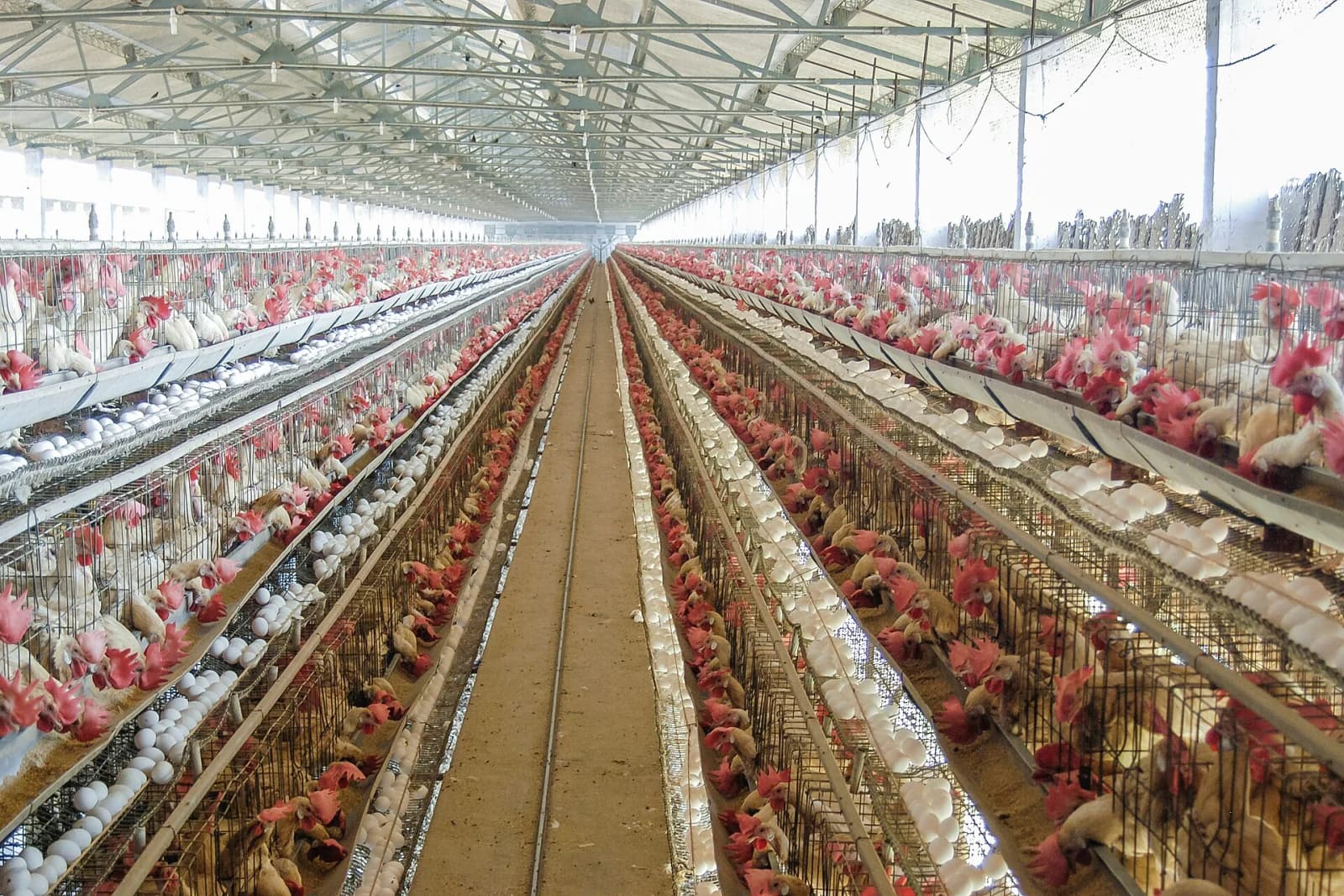
Tamil Nadu has confirmed an outbreak of highly pathogenic avian influenza, the H5N1 strain commonly called bird flu, at a poultry farm in Cuddalore district, ending a fortnight of uncertainty over a wave of sudden chicken deaths in the area. The state's Animal Husbandry Department said laboratory results received on Friday, 13 November, confirmed the infection, and culling and disinfection operations were under way on Saturday, 14 November.
According to figures reported by DT Next and ETV Bharat, 35,647 birds had died on the affected farms between 30 October and 13 November, while 1,550 birds had been culled by Friday.
How the outbreak was traced
The first signs appeared on 30 October, when the department received reports of chickens dying suddenly at a farm in Thamanampatti village in Kurinjipadi taluk. Veterinary teams inspected the site and sent samples to the Poultry Disease Diagnostic Laboratory at Namakkal.
As more deaths were reported from neighbouring farms, samples were also tested at laboratories in Erode, Namakkal and Madhavaram in Chennai, ETV Bharat reported. A sample was then sent on 5 November to the National Institute of High Security Animal Diseases (NIHSAD) in Bhopal. The institute's test confirmed H5N1 in samples from a farm in Krishnapuram panchayat, also in Kurinjipadi taluk.
Culling, burial and a restocking freeze
Officials said all poultry within a one-kilometre radius of the infected farm is being culled in line with the Union government's action plan for preventing and controlling avian influenza. Dead and culled birds are being disposed of by deep burial at designated sites, and the premises are being cleaned, disinfected and fumigated.
Movement of poultry into and out of the infected farms has been stopped. DT Next reported that nine rapid response teams have been deployed and that disinfectant is being added to drinking water and sprayed across farms. Surveillance of farms in the affected villages and surrounding areas has been stepped up.
Cuddalore Collector Sibi Adithya Senthil Kumar on Saturday told poultry farmers not to restock their sheds for three months, according to DT Next. The Times of India also reported a 90-day ban as part of the district's response.
"No need to panic", says department
The Animal Husbandry Department said the infection has so far been confirmed only in the identified area of Cuddalore district and that no cases have been confirmed elsewhere in the state. It urged people not to panic and asked farmers and residents to report any unusual or sudden bird deaths to the nearest veterinary hospital. Poultry owners have been asked to follow biosecurity rules and cooperate with the containment effort.
Why it matters
The scale of the losses, more than 35,000 birds in about two weeks, shows how quickly the infection moved through the affected flocks, which is why officials are culling every bird around the infected farm rather than waiting for more deaths. For small poultry farmers, a three-month restocking freeze means lost income through the period of the ban, on top of the birds already lost.
The department's assurance that no case has been confirmed outside the identified area will be closely watched by poultry farmers across the state, since the early samples were tested at laboratories in several districts before the Bhopal confirmation came through.
What happens next
Culling within the one-kilometre zone is expected to continue until all birds there are destroyed, after which the area will remain under surveillance. Officials will watch for fresh bird deaths in nearby villages, and further samples are likely to be tested if new cases appear. Farmers in the district will be able to restock only after the three-month restriction ends, subject to clearance by the authorities.
PS · Matthew T Rader, CC BY-SA 4.0