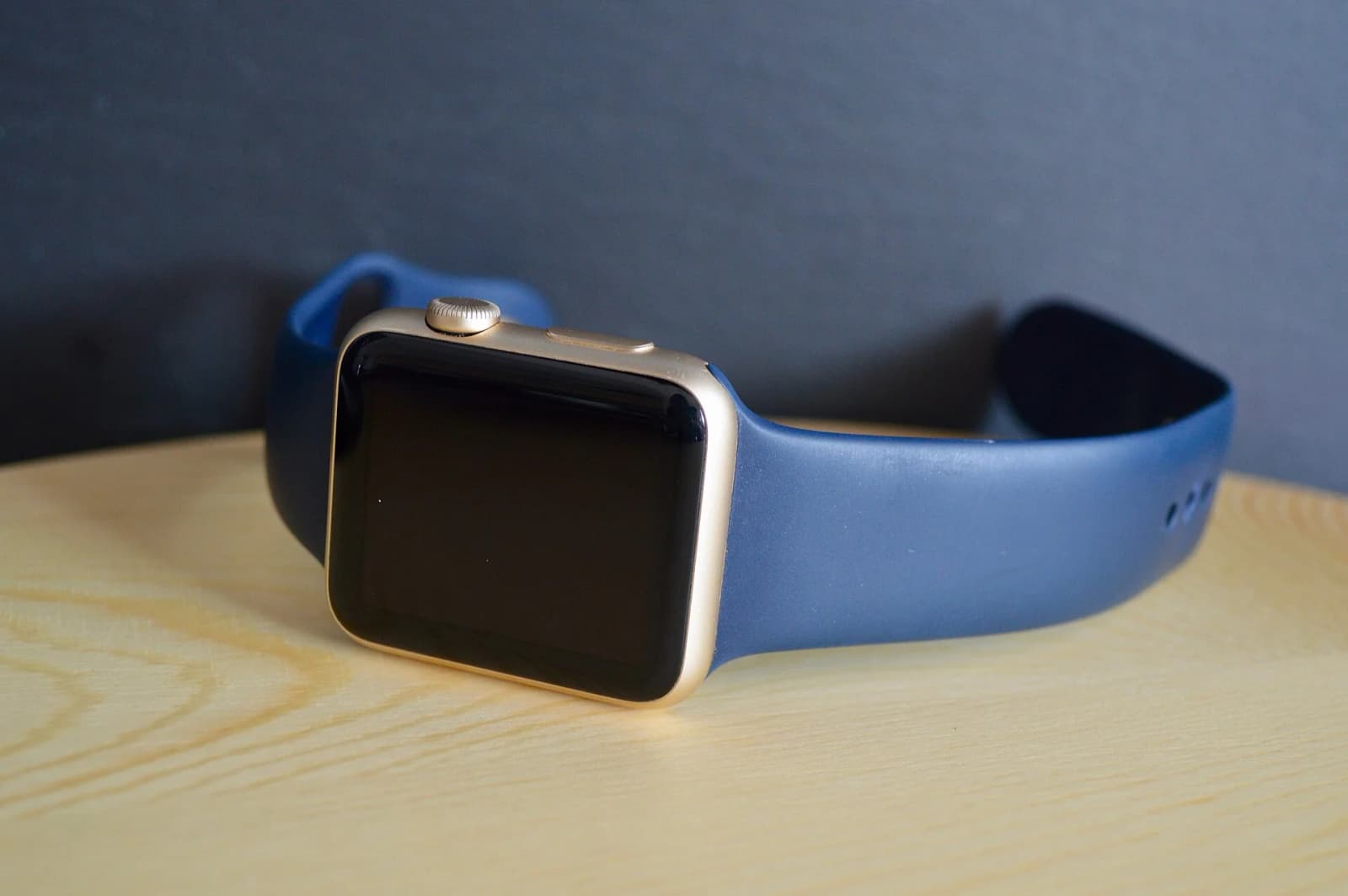
Keeping a consistent bedtime and wake-up routine may be nearly as meaningful for mental well-being as total hours slept, according to a longitudinal study of roughly 23,000 adults published in Scientific Reports (DOI: 10.1038/s41598-026-77545-y). Researchers from the University of California, San Francisco (UCSF) and UC San Diego analysed objective smart-ring wearable recordings collected under the TemPredict cohort—averaging 154 nights per participant—alongside monthly questionnaires tracking depression, anxiety, and loneliness.
Sleep Regularity Scores and Symptom Severity
Instead of relying on self-reported sleep diaries, the team quantified schedule consistency using the Sleep Regularity Index (SRI) on a 0-to-100 scale. Participants with minimal or no depressive symptoms averaged an SRI of 84, compared with 83 for mild symptoms, 81 for moderate depression, and 75 among individuals experiencing severe depression. Similarly, respondents reporting normal anxiety levels averaged 84 versus 79 among those with severe anxiety, even after accounting for total sleep duration.
UC San Diego researcher Severine Soltani noted that an SRI near 90 corresponds roughly to falling asleep and waking within 30 minutes of one's usual schedule each day, suggesting healthy regularity leaves practical room for minor daily variation rather than requiring rigid perfection.
Weekday Consistency and Study Caveats
UCSF associate professor Ashley E. Mason emphasised that human circadian biology does not recognise weekends, advising people to anchor wake-up times consistently with an alarm clock so bedtime sleep pressure aligns naturally, with about 30 minutes of leeway around a target bedtime. Circadian misalignment, she noted, can ripple through hormones, inflammation, neurotransmitters, and mood regulation.
Harvard Medical School associate professor Dr. Eric Zhou—who was not involved in the study—cautioned that the observational design cannot separate cause from effect, and noted that participants were largely white, middle-aged smart-ring owners tracked during 2020 COVID-19 routine disruptions.