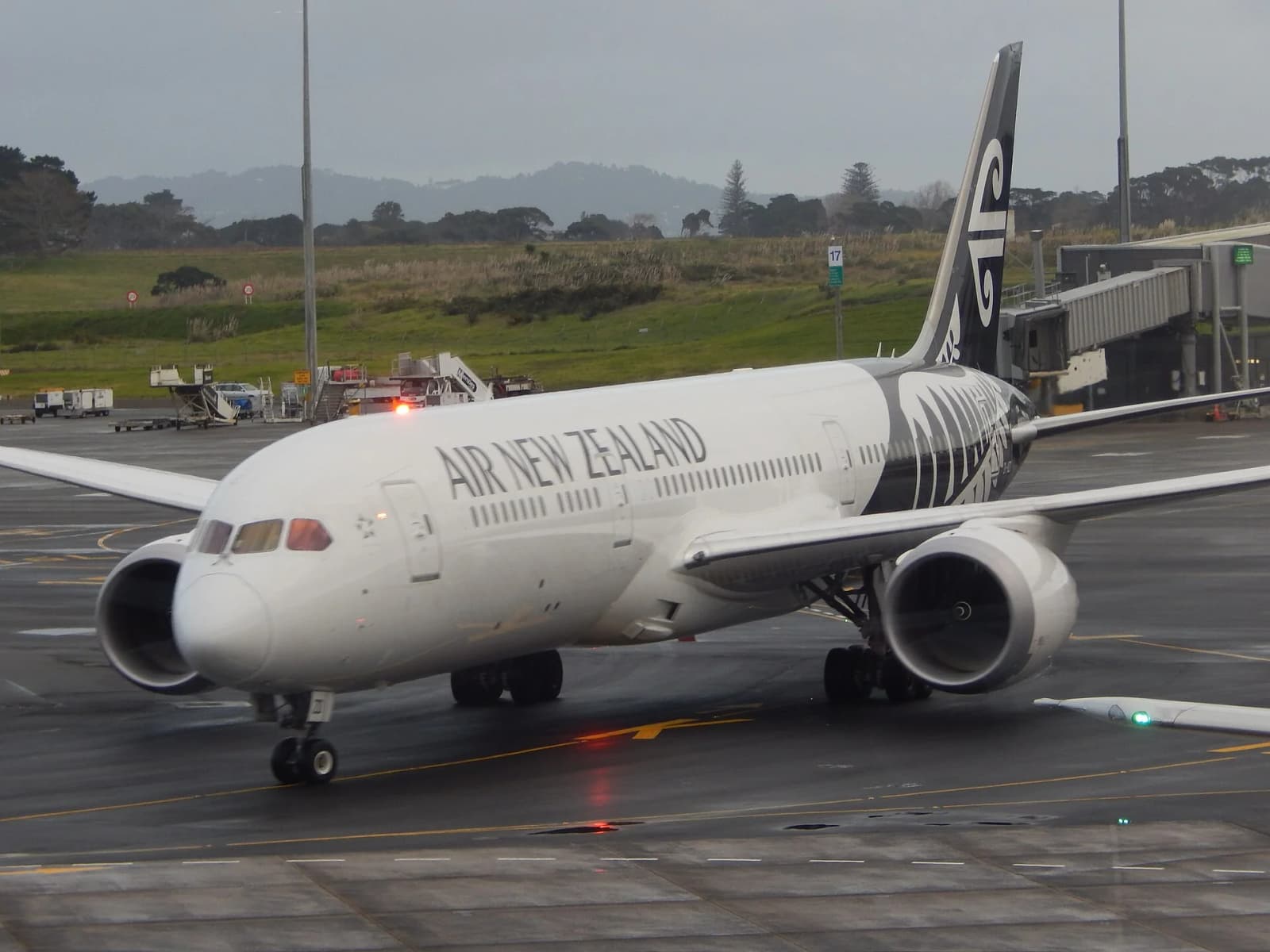
New Zealand's competition and consumer regulator, the Commerce Commission, said on 19 November 2026 that it will file criminal charges against Air New Zealand in the Auckland District Court, alleging the national carrier misled passengers about their right to be compensated when flights were delayed or cancelled for reasons within the airline's control.
The charges will be brought under the Fair Trading Act 1986. The airline has apologised to affected customers but said it was disappointed that the regulator chose to go to court. The allegations have not been tested in court.
What is Air New Zealand accused of?
The Commission alleges that Air New Zealand told passengers their compensation was strictly capped at amounts lower than the limits set in law, and made statements limiting its liability for certain kinds of reimbursement. In its media release, the regulator said it believes the airline likely made these statements to customers since January 2024.
"In our view, Air New Zealand made statements that led some passengers to incorrectly assume they weren't entitled to compensation, and rejected legitimate reimbursement claims," Commerce Commission Deputy Chair Anne Callinan said. "Ultimately, we believe passengers missed out on money they were entitled to under the law."
The Commission's case register shows the investigation was opened on 22 July 2024 and cites section 13(i) of the Fair Trading Act, which deals with false or misleading representations about consumers' rights and remedies. The statements in question were made to passengers who contacted the airline seeking compensation, according to the register.
What does New Zealand law give passengers?
Under New Zealand's Civil Aviation Act, airlines must reimburse domestic passengers for losses caused by delays or cancellations within the airline's control, such as staffing or mechanical problems, the Commission said. Passengers can claim reasonable costs caused by the delay, which may include meals, accommodation and other costs of reaching their destination, up to 10 times the price of the ticket.
For international journeys, the Montreal Convention entitles travellers to reimbursement of costs arising from delays and cancellations, up to the Convention's limits, unless the airline did everything it reasonably could to prevent the disruption. The Commission listed engineering issues, crew sickness and operational delays as examples of problems that would be considered within an airline's control.
How has the airline responded?
Air New Zealand's chief customer and digital officer, Jeremy O'Brien, said the investigation had raised concerns about a small number of cases where communications were not clear enough or compensation policies were not applied as intended, 1News reported. He said the airline "didn't get it right" for those customers and apologised.
According to the airline, a voluntary review of more than 62,000 claims linked to disruptions within its control found mistakes in fewer than 1% of cases. Air New Zealand said the errors were neither intentional nor systemic, that it has contacted the affected customers to correct them, and that it has reinforced staff guidance and training. It said it would cooperate with the process.
Why it matters
Callinan said consumers had frequently raised concerns about Air New Zealand over the past five years, and that the regulator "will not hesitate to act" where it believes businesses have not honoured consumers' legal entitlements.
The case follows similar action against budget carrier Jetstar, which was fined NZ$2.25 million in September 2025 for misleading customers about their compensation rights when flights were delayed or cancelled for reasons within its control, according to 1News. For travellers, the case is a reminder that what an airline tells them about compensation may not match what the law allows.
What happens next?
The Commission said it will file the charges in the Auckland District Court and therefore could not give further details. No court date, plea or penalty has been announced. The regulator directed passengers who want to know their rights when flying to Consumer Protection and Consumer NZ.
Photo source · G B_NZ, CC BY-SA 2.0