About 16,730 Cipton youth bicycle helmets sold in the United States were recalled on 19 November 2026 because they do not meet the mandatory federal safety standard for bicycle helmets and may fail to protect a rider's head in a crash, the US Consumer Product Safety Commission (CPSC) said.
The helmets were distributed by Hardline Group, which does business as Cipton, of Brooklyn, New York, and were made in China. According to the CPSC recall notice (recall number 27-098), no incidents or injuries have been reported.
Which helmets are affected?
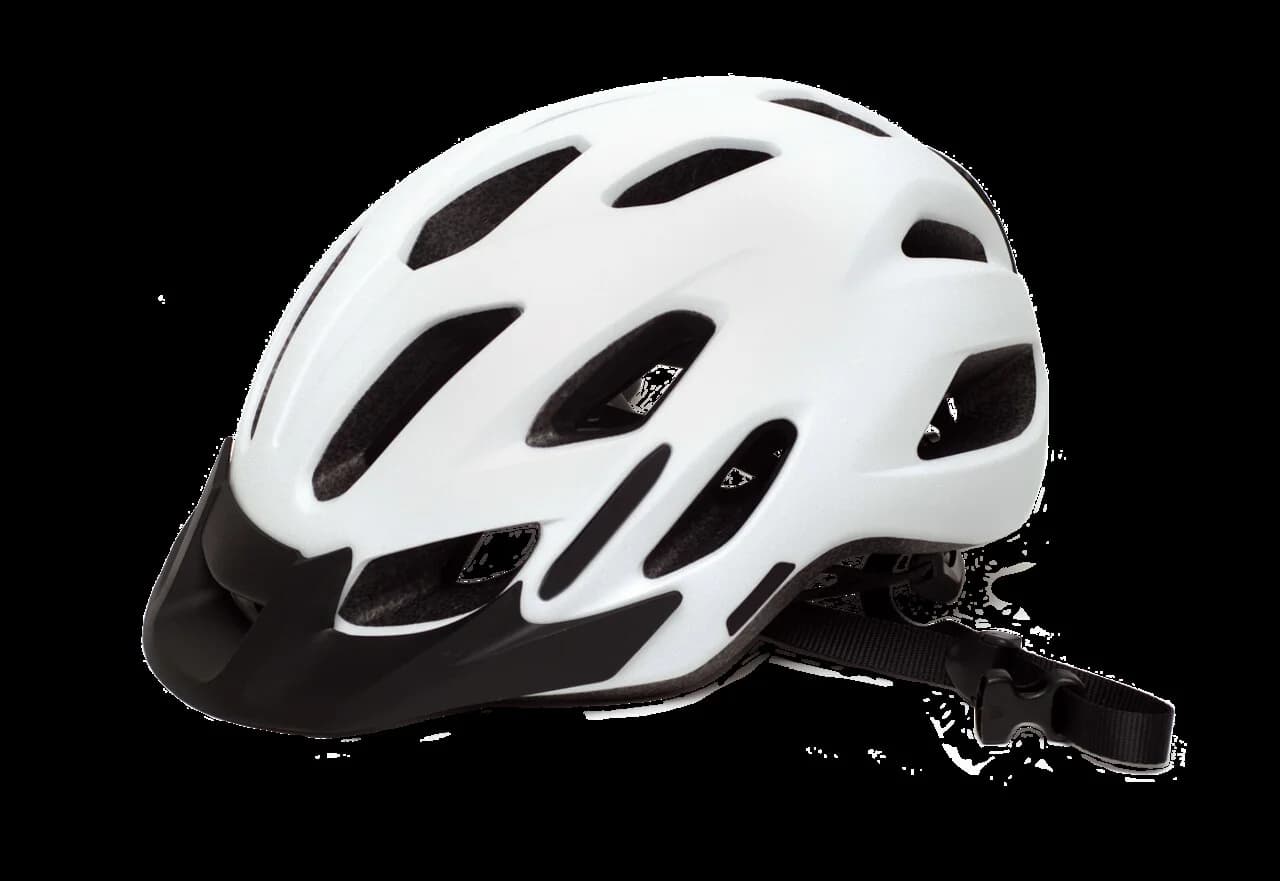
The recall covers Cipton-branded bicycle helmets with the model number CPSK300CC printed on a label inside. They were sold in white, in a youth small size meant for head circumferences of roughly 19.7 to 21.3 inches (about 50 to 54 cm). The helmets have black padding, black straps, a black buckle and a built-in multicoloured LED light strip.
The CPSC said the helmets were sold at Dick's Sporting Goods and JC Penney stores across the US and online at Dickssportinggoods.com from April 2024 to May 2026, for about $35 each.
What is wrong with them?
The CPSC said the helmets violate the mandatory US bicycle helmet standard because they fail its impact attenuation, positional stability and certification requirements. In plain terms, impact attenuation is about how well a helmet absorbs the force of a blow, and positional stability is about whether it stays in place on the head. A helmet that falls short on either can fail to protect the wearer, posing a risk of serious injury or death from head injury, the regulator said.
What should owners do?
The CPSC has told consumers to stop using the recalled helmets immediately and contact Cipton for a full refund. To claim it, owners are asked to cut the straps, write "Recalled" on the helmet with a permanent marker and send the company a photo of the destroyed helmet, before disposing of it. Phone, email and online contact details for the refund are listed in the CPSC notice.
Because the helmet has a built-in light, the regulator also said its lithium-ion battery should not go into household rubbish or ordinary recycling, and owners should first check with a local household hazardous waste centre.
Why does it matter beyond the US?
Many people cycle for fitness or to commute, and helmets for children are often sold with lights or other add-on features. The recall is a reminder that a helmet's main job is to pass crash-protection tests, and that features such as LED strips say nothing about how well it absorbs an impact. Shoppers anywhere can look for the certification marks required by their own country's rules before buying.
Sports goods quality is also a policy issue in India, where the Union Sports Ministry this week outlined a ₹2,000-crore scheme to support sports goods manufacturing.
What happens next?
The CPSC posts all of its notices on its recalls page. On the same day, 19 November, it also announced recalls of children's pyjama sets, infant bouncers, magnetic toys and adult portable bed rails, among other products.
Photo source · SonOfWasps, CC BY 4.0