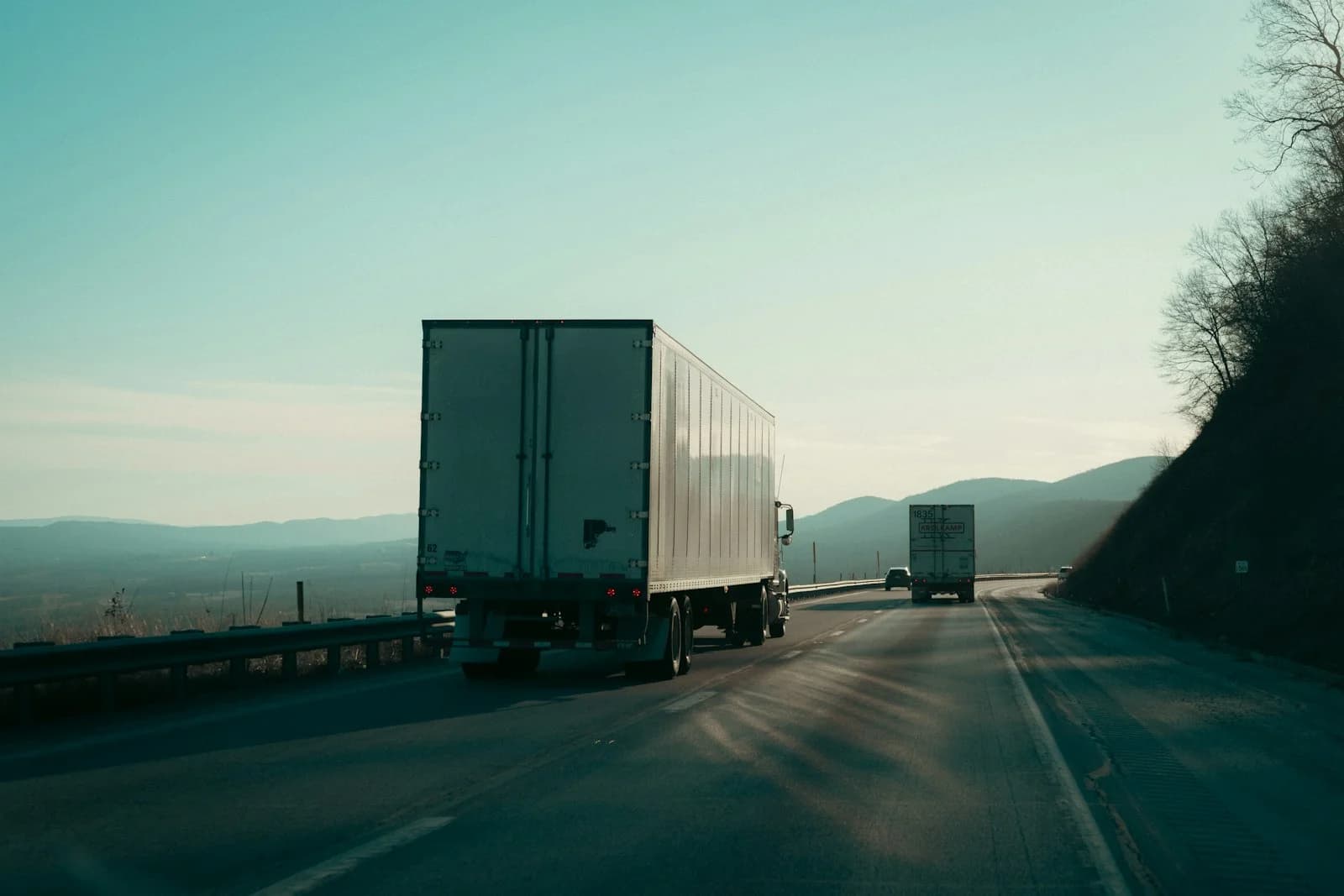
Truck drivers in Chile began clearing the highway blockades they had kept up for four days over soaring fuel prices on Friday, 13 November 2026, after President José Antonio Kast's government warned that police would enforce traffic and public-order laws. The protest has lost most of its strength, but pockets of resistance remained in parts of the country.
Blockades lifted on key routes
According to the Spanish news agency EFE, small and medium-sized hauliers gradually withdrew their trucks from Route 68, which links Santiago with the port city of Valparaíso, and from Route 5 Sur, the main road heading south towards the Los Lagos region, following operations by the Carabineros police. "It is official that today we are lifting the stoppage here on the 68," a spokesperson for the drivers said, explaining that the protest had become unsustainable because of the risk of fines.
Chilean daily La Tercera reported that drivers on Route 68 took the decision unanimously, citing safety concerns and police warnings about the penalties for leaving trucks parked in a traffic lane. In La Araucanía, truckers from Temuco and Cautín also ended their blockade at the northern entrance to Temuco at midday, the region's presidential delegate Francisco Ljubetic confirmed. That group had rejected Thursday's deal because its members were not consulted, but reached a fresh understanding with the government that includes a place at a working table with the sector's larger associations.
In the Santiago metropolitan region, police moved remaining trucks at Lo Herrera in San Bernardo and later at Paine, La Tercera said, after drivers were told that special forces would remove them otherwise.
Government says two-thirds have gone
Government spokesperson Gonzalo Arenas said at La Moneda palace that more than two-thirds of the trucks had already left the roads. Of the roughly 2,800 vehicles that had been mobilised, between 1,000 and 1,200 remained, he said. Public Security Minister Martín Arrau had warned earlier on Friday that the Carabineros would act to uphold the law.
Not everyone has gone home. EFE reported that independent hauliers in the O'Higgins region, including in Rengo and San Fernando, as well as groups in Temuco, Antofagasta and Santiago, were still on the roads in disagreement with the deal.
The deal behind the climbdown
The retreat followed an agreement announced on Thursday, 12 November, after hours of talks at La Moneda. Under it, the government said it would freeze fuel price increases until March 2027, reverse the most recent rise of about 40 Chilean pesos per litre of petrol and diesel, and cut the diesel price by a further 100 pesos. Finance Minister Jorge Quiroz called the situation "the biggest energy crisis of the last 50 years" and put the fiscal cost at around 500 million US dollars across this year and next, which he said was affordable.
Several independent groups initially dismissed the offer. One leader of the Temuco-Cautín truckers called it "crumbs", according to EFE.
Why it matters
Chile has no national rail freight network, so almost all cargo moves by road, and even partial blockades quickly disrupt supply chains. The fuel crisis dates back to March, when Kast chose not to use a state mechanism that cushions swings in international oil prices, passing the full increase linked to the war in the Middle East on to consumers. EFE notes that international diesel prices have risen 80% and petrol 40% since that conflict began.
What happens next
Authorities are still working to restore normal traffic in the O'Higgins region, where some drivers continue to protest, while dissenting groups keep questioning the fuel-price terms of the deal.