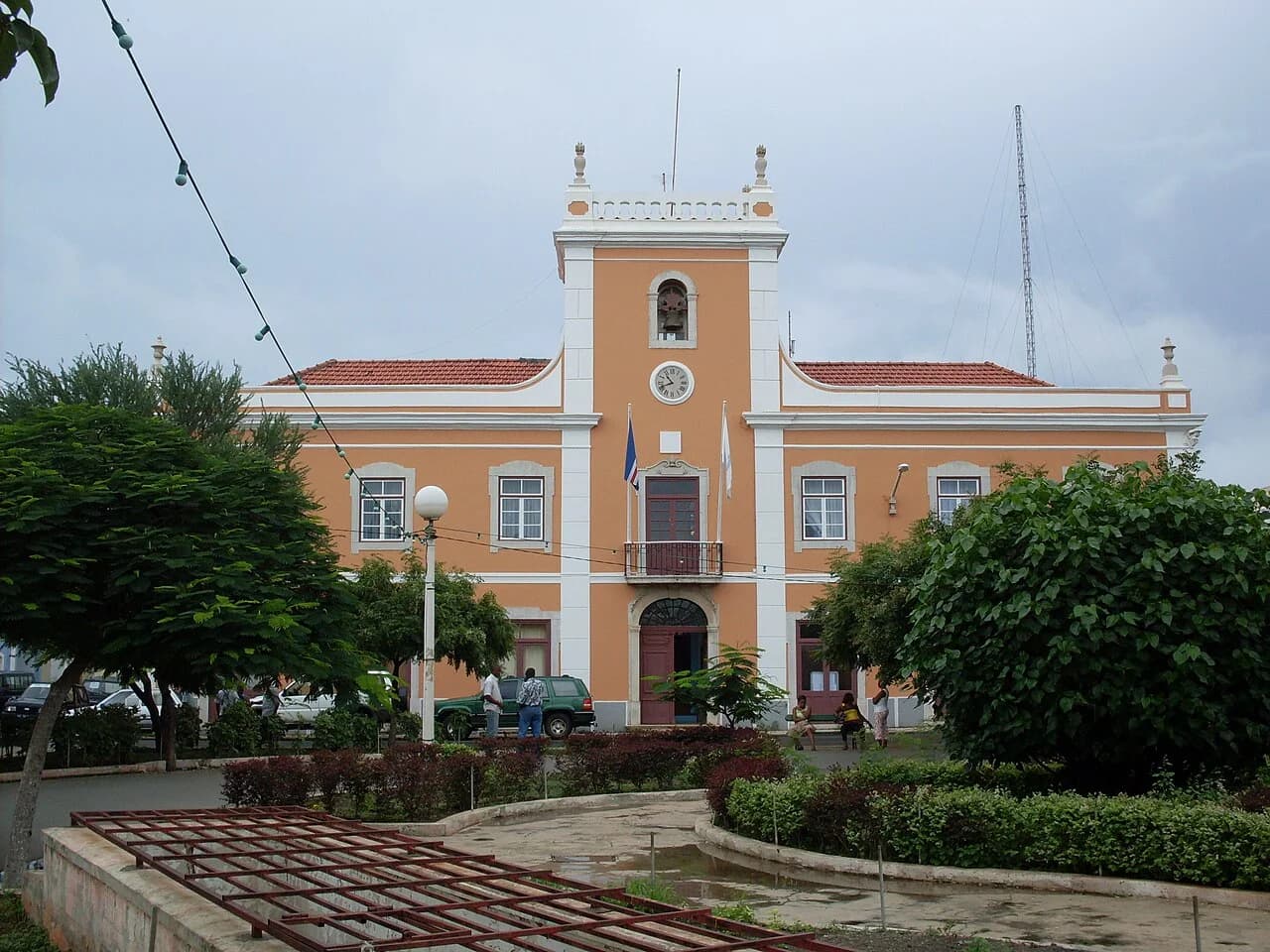
Voters in Cape Verde went to the polls on Sunday, 15 November, to choose a president, in a contest that could give the Atlantic island nation its first woman head of state since independence from Portugal in 1975. Incumbent José Maria Neves is seeking a second term, while his main challenger is former justice minister Joana Rosa, the Associated Press reported.
Six candidates are on the ballot. Polling stations were scheduled to stay open from 8am to 6pm local time, according to Al Jazeera, and more than 300,000 people are eligible to vote.
The two main contenders
Neves, 66, is backed by the African Party for the Independence of Cape Verde (PAICV). He served as prime minister for 15 years before winning the presidency in 2021 with about 52 percent of the vote, and is widely seen as the favourite. During the campaign he pledged cross-party support for better housing, healthcare and education, more jobs and higher wages, the AP said. He has also promised to convene a youth summit on emigration if re-elected.
Rosa is supported by the opposition Movement for Democracy (MpD), which governed for a decade before losing the parliamentary election in May. She is the first woman to stand for president since independence. Cape Verde has never had a female president or prime minister, although women have held senior cabinet posts, according to the AP.
Rosa has built her campaign around the idea of a balance of power. The PAICV won 37 of the 72 seats in parliament in May and now controls the government and most municipalities, so a Rosa victory would place the presidency and the government in rival camps. She has also called for a government that allows young people to "build their futures here at home", Al Jazeera reported.
Emigration dominates the debate
Jobs and emigration are central issues for the roughly half a million people who live on the islands. The Cape Verdean diaspora, concentrated mainly in Portugal and the United States, is larger than the resident population. Nearly 77,000 citizens abroad are registered to vote at embassies, almost a fifth of the electorate.
Roselma Évora, a professor of political science and gender studies at the University of Cabo Verde, told the AP that limited economic prospects are pushing young people to look for opportunities overseas and that many voters feel distant from their leaders. She said Neves's incumbency gives him greater visibility, including among voters abroad, and described Cape Verdean society as still "very patriarchal".
Cape Verde-based writer Rosário Luz told the AP that party loyalty is likely to matter more than Rosa's gender. "We have a lot of women in politics, but we don't have the policies for women that we should have," she said.
What the president does
Cape Verde has a hybrid parliamentary-presidential system. The prime minister directs government policy, while the directly elected president holds a largely symbolic role but can veto legislation. After the May vote, Neves appointed Francisco Carvalho, a former mayor of the capital Praia, as prime minister. The country has a record of competitive elections and peaceful transfers of power, the AP noted.
What happens next
Results are expected within two to three days. A candidate needs more than 50 percent of the vote to win outright. If no one crosses that mark, the top two will face each other in a run-off on 29 November.