Canada will put up to C$560 million into the Tropical Forest Forever Facility (TFFF), the Brazil-backed fund that pays developing countries for keeping their tropical forests standing. Prime Minister Mark Carney announced the money on Sunday, 15 November 2026, after meeting Brazilian President Luiz Inácio Lula da Silva in Manila, where both leaders are attending the ASEAN Summit.
The Prime Minister's Office described the sum as an "initial contribution" spread over four years. Reuters, reporting the government's statement, said Canada expects the money to help the facility hit the fundraising levels it needs before it can begin operating, and to draw in more public and private capital.
A loan, not a grant
A backgrounder published by Global Affairs Canada makes clear that the money will be provided as a loan. It will come out of Canada's existing international climate finance envelope, which Global Affairs manages, and is meant to support the facility's launch and initial capitalisation rather than represent new spending.
The government has set a goal, laid out in its 2026 Spring Economic Update, of delivering more than C$13 billion in climate-related support to developing countries by 2031. Ottawa said the forest pledge counts towards that target.
How the forest fund is meant to work
The TFFF was launched in November 2025 at the COP30 Leaders' Summit in Belém, Brazil, and is co-led by Brazil and Norway. Canada was one of 66 countries that endorsed its launch declaration, according to the Prime Minister's Office.
Instead of handing out one-off grants, the facility is designed to invest money from sponsor governments, use that to attract private investors, and pay for conservation out of the investment returns. According to the Canadian release:
- the facility aims to raise $35 billion from sponsors in order to attract up to $140 billion in additional private investment;
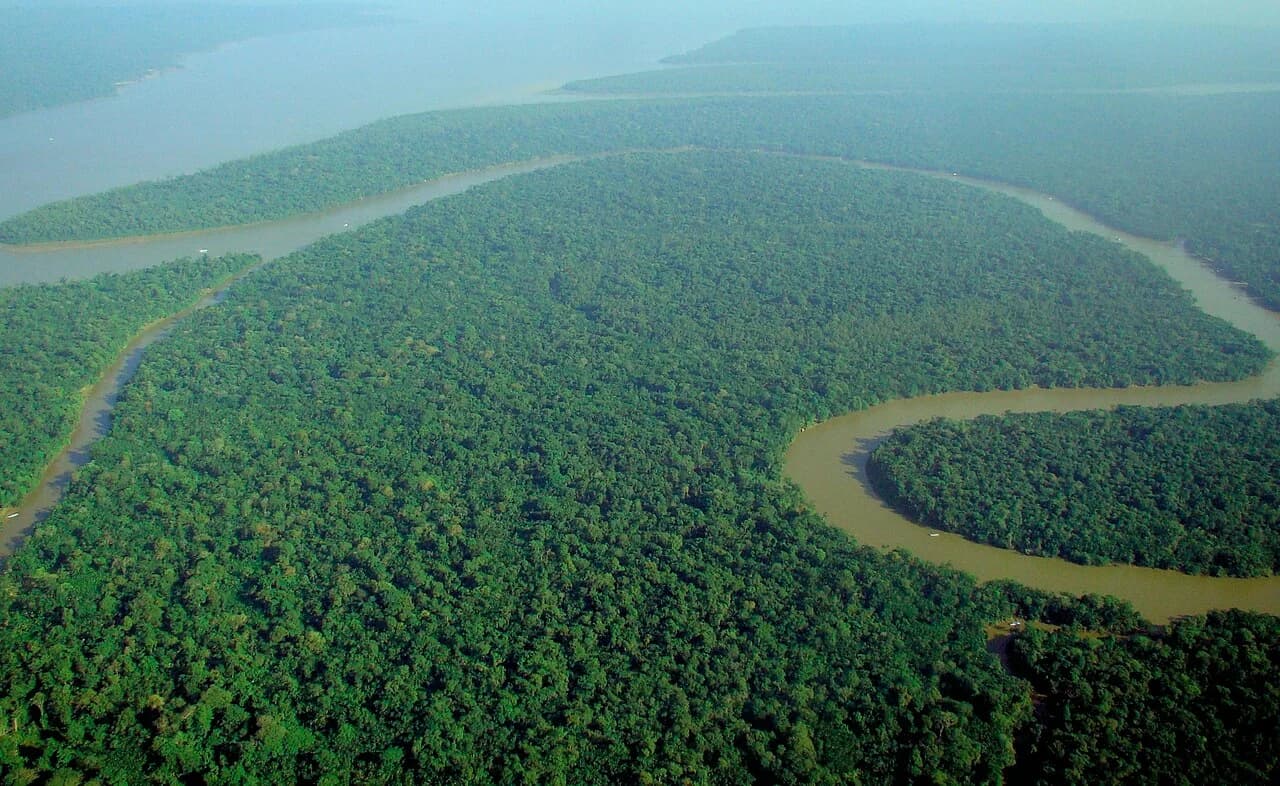
- once fully running, it is expected to cover more than one billion hectares of tropical forest across more than 70 countries;
- payments will be tied to verified conservation results, which the backgrounder says should also encourage stronger forest-monitoring systems;
- at least 20 per cent of payments must reach Indigenous Peoples and local communities.
The World Bank acts as trustee of the TFFF's financial intermediary fund and is the interim host of its secretariat, while Luxembourg will host the Tropical Forest Investment Fund, the facility's investment arm, Global Affairs Canada said.
Brazil, France, Germany, Indonesia, Luxembourg, the Netherlands, Norway, Portugal and the United Kingdom have already made financial commitments, and the Democratic Republic of the Congo, Ghana and Peru are engaged with the initiative, the Canadian government said.
What Carney said
"Tropical forests are among the most vital ecosystems on Earth," Carney said in the release, adding that "Canada is stepping up with our partners to pioneer a new approach that makes conservation economically viable."
Foreign Affairs Minister Anita Anand, Secretary of State for International Development Randeep Sarai and Environment Minister Julie Dabrusin also issued statements backing the contribution.
Trade, minerals and defence on the table
According to the official readout of the meeting, Carney congratulated Lula on his re-election. The two leaders talked about expanding trade and working together on critical minerals and energy, as well as defence cooperation under the Canada-Brazil Defence Cooperation Agreement. They also discussed the need to strengthen the multilateral system and agreed to stay in close contact.
Why it matters
The pledge comes as the facility is still trying to raise enough money to start paying out. The Canadian government noted that the TFFF's long-term viability depends on sustained backing from many partners.
What next
Ottawa said it will work with partners to widen participation in the facility. The size of Canada's contribution beyond this first tranche, and the loan's repayment terms, were not set out in the documents released on Sunday.
PS · lubasi, CC BY-SA 2.0