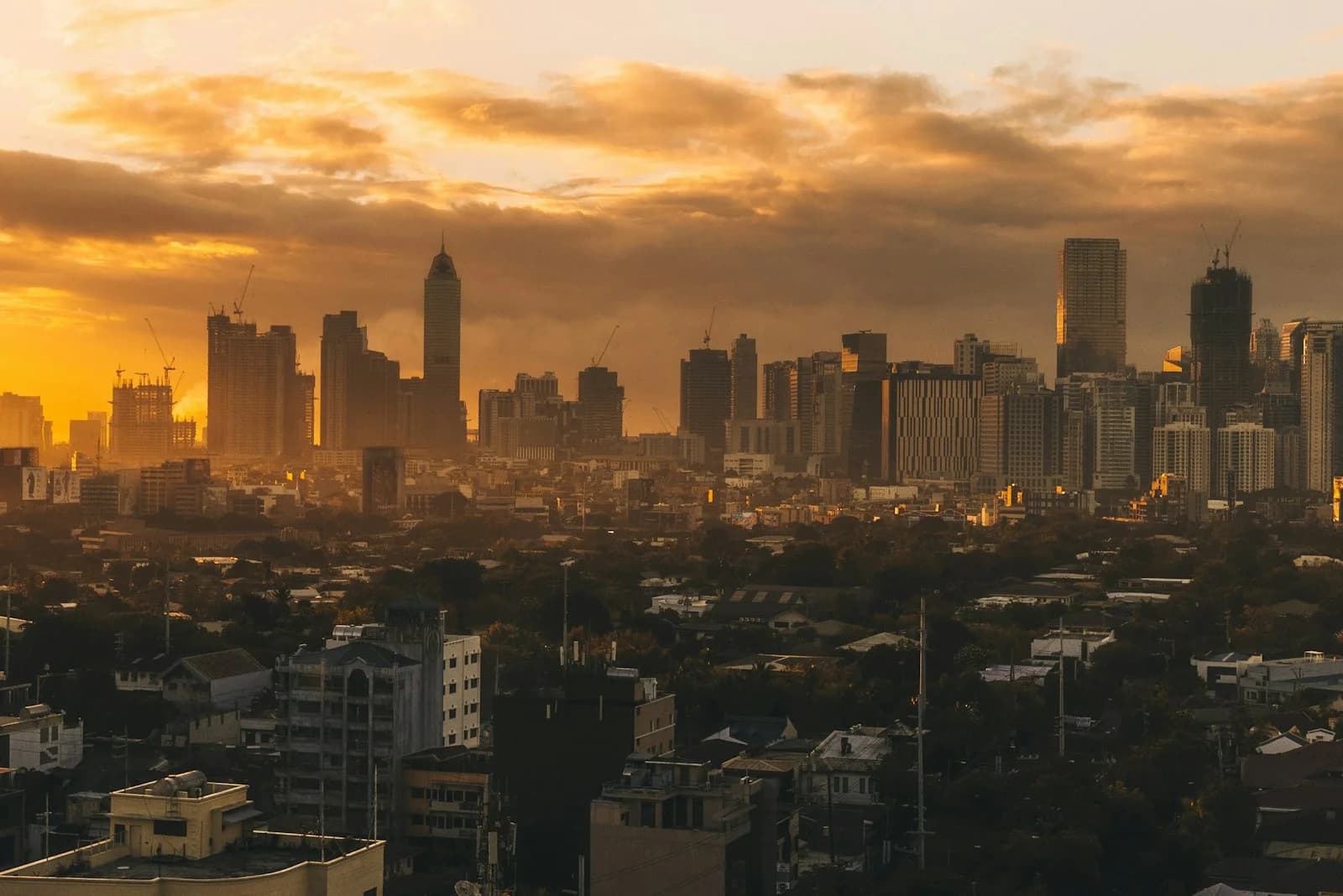
Canada and the Philippines have finished negotiating a bilateral free trade agreement, ending talks that ran for roughly a year. Canadian Prime Minister Mark Carney and Philippine President Ferdinand R. Marcos Jr. announced the outcome in Manila on Saturday, 14 November 2026, on the sidelines of the 49th ASEAN Summit. Both governments say they want to sign the pact in 2027.
On the same day Carney also said that negotiations on a wider ASEAN-Canada free trade agreement had been substantially concluded, giving Ottawa two trade deals in Southeast Asia in a single announcement.
What was agreed
According to the Prime Minister's Office in Ottawa, the bilateral agreement was concluded one year after the two countries said they would pursue it. Canada described the Philippines as a market of more than 110 million people with an economy worth about $680 billion. The PMO said the deal could raise Canadian exports to the Philippines as much as threefold by 2035, with agriculture and forest products singled out as the main areas of gain. All monetary figures cited by the PMO are in Canadian dollars.
The legal text has not yet been published. Remaining steps, including legal review, still have to be completed before the agreement can be signed and ratified.
The Philippine News Agency, in a report carried by Bernama, said the conclusion was announced during a bilateral meeting between the two leaders. Marcos said the relationship had moved "from just the diplomatic relations to strategic partnership", and pointed to the close to one million Filipinos who live in Canada as a foundation of the ties.
What Carney said
"With the Philippines, we concluded a new free trade agreement in just one year," Carney said in the PMO statement. He framed the deals as part of a push to widen Canada's trading relationships: "In a more dangerous and divided world, a dense web of connections holds strong."
International Trade Minister Maninder Sidhu said trade diversification was the government's "Plan A".
The trade numbers
Ottawa's figures put two-way merchandise trade between Canada and the Philippines at $3.4 billion in 2025, up 7.4 per cent from 2024. Canadian direct investment in the Philippines stood at about $1.7 billion, a 44 per cent rise on the previous year.
The wider ASEAN deal
Talks on the ASEAN-Canada agreement began in 2021. The PMO said the bloc, with nearly 700 million people and an economy close to $6 trillion, was Canada's fifth-largest merchandise trading partner in 2025, with two-way trade of $52.5 billion. Once in force, Ottawa expects the agreement to add nearly $2 billion to Canada's GDP and support close to 14,000 jobs, largely in agriculture and manufacturing. Carney announced $5 million in technical assistance to help ASEAN economies ratify and implement it. Signing for this deal is also targeted for 2027.
Other announcements in Manila
Canada also announced $26 million for cooperation with the Philippines on nuclear security and safety, climate-resilient agriculture, food security and infrastructure, including the Luzon Economic Corridor. The two sides agreed to deepen military cooperation, launch a cyber security dialogue and work towards customs cooperation. Canada's Dark Vessel Detection programme, used against illegal fishing, will be extended to 2033.
Why it matters and what comes next
The deal builds on the Canada-Philippines Strategic Partnership that the two leaders set up when Marcos visited Canada in July 2026. For Manila, it opens a new route into a G7 market; for Ottawa, it is part of a stated effort to spread its trade across more partners. The next milestones are publication of the text, formal signature in 2027 and ratification in both countries before the agreement can take effect.