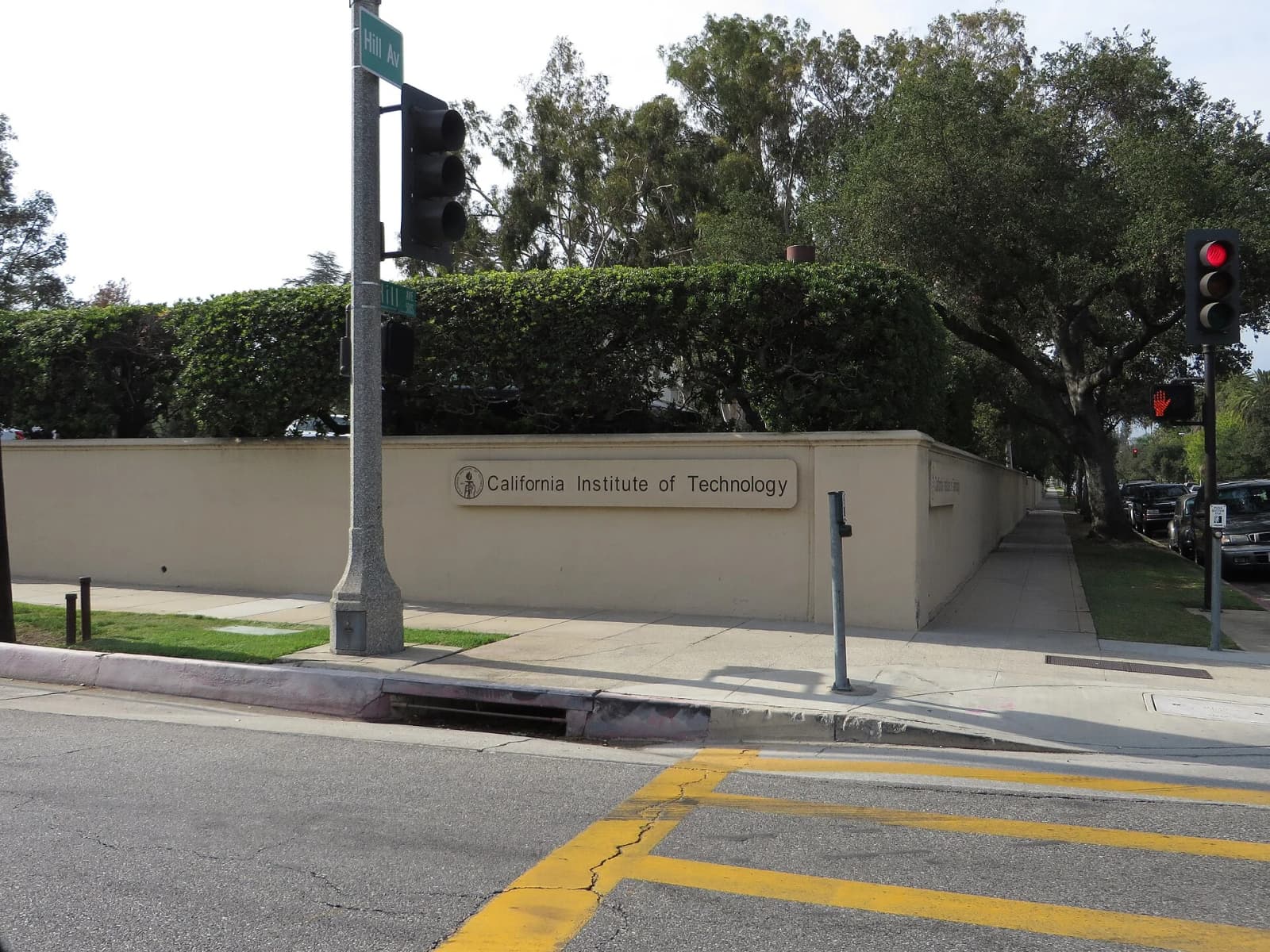
Researchers led by medical engineering professor Wei Gao at the California Institute of Technology (Caltech) have developed tiny light-propelled nanorobots called BrainBots capable of ferrying therapeutics past the brain's tightly sealed blood-brain barrier (BBB). Detailed on November 25, 2026 in Science Robotics, the biodegradable vehicles carried roughly five times more medication into the brain when triggered by light than unactivated counterparts.
How Near-Infrared Light Drives Drug Delivery
Normally, the blood-brain barrier blocks most intravenously injected compounds from entering brain tissue, complicating treatment for neurological illnesses and brain malignancies. Built from biocompatible materials into asymmetric capsules measuring around 250 nanometers across—hundreds of times narrower than a human hair—BrainBots hold an ammonium bicarbonate fuel chamber sealed behind a heat-sensitive gate attached to the drug payload.
After bloodstream injection, scientists direct near-infrared light through the skull to warm the gate, releasing gas that propels the capsules toward endothelial cells along the BBB. Surface-mounted DNA molecules known as aptamers then bind to barrier cells, enabling natural cellular transport across the barrier before the capsule breaks down and releases its medication.
Preclinical Results in Brain Cancer Models
Tested in mice with glioblastoma, an aggressive brain cancer, BrainBots delivering the chemotherapy agent doxorubicin slowed tumor progression and extended survival without causing detectable BBB damage. Because unactivated particles cleared via the liver and spleen produced fewer side effects elsewhere, systemic toxicity fell compared with conventional drug dosing.
Gao's team plans further optimization of near-infrared light delivery and long-term safety and degradation studies before exploring human clinical testing for brain tumors and neurodegenerative conditions such as Parkinson's disease.