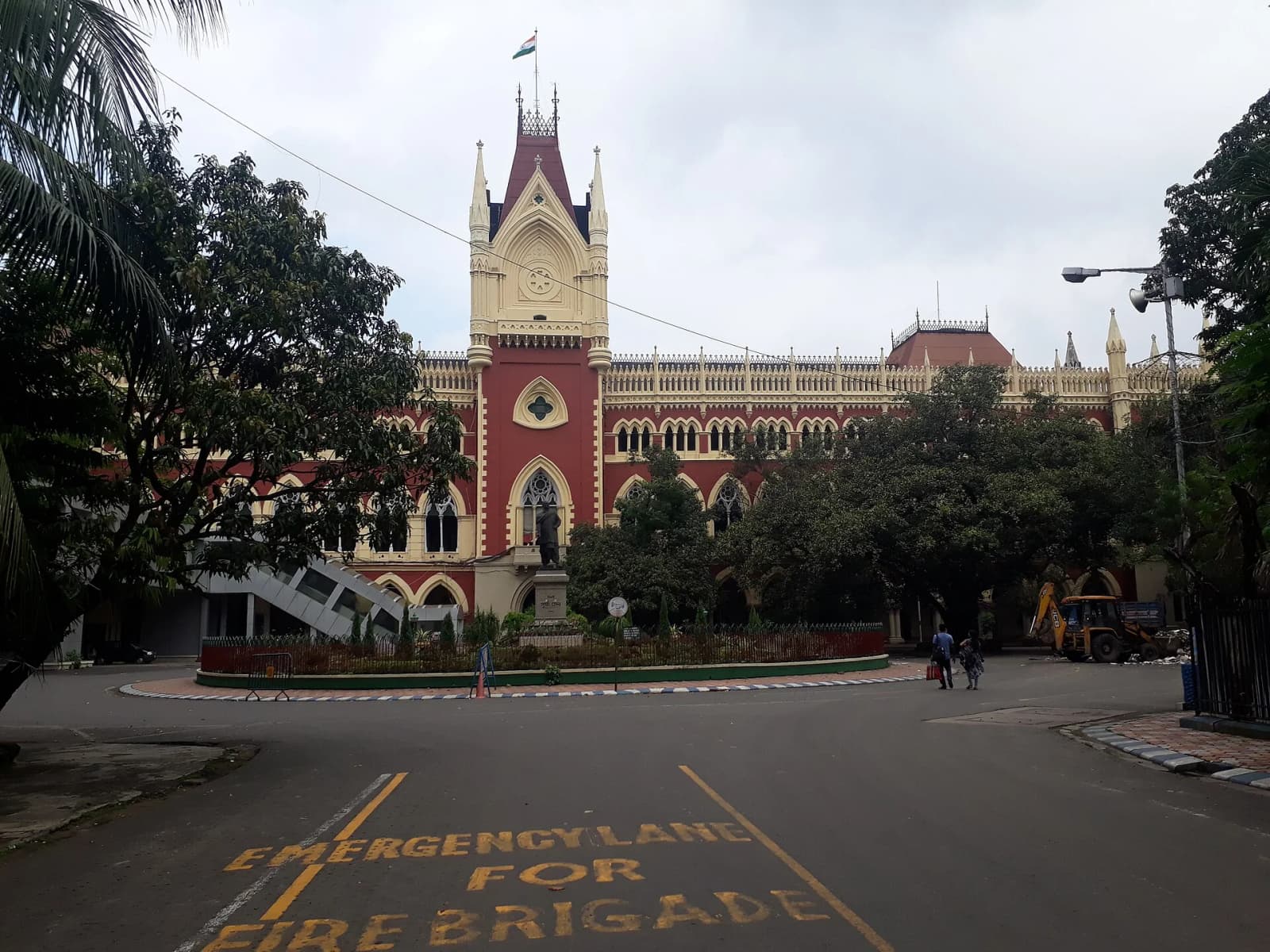
The Calcutta High Court on 27 November 2026 set aside West Bengal Assembly Speaker Rathindra Bose's decision to recognise Trinamool Congress (TMC) rebel Ritabrata Banerjee as Leader of the Opposition, and also quashed MLA Akhruzzaman's appointment as opposition Chief Whip. Sitting as a single judge in Kolkata, Justice Krishna Rao directed the Speaker to take a fresh decision on both posts within 10 days, National Herald reported.
The ruling came on a petition by senior TMC MLA Sovandeb Chattopadhyay, whom the party led by Mamata Banerjee had put forward for the post. According to The Wire, the court described the Speaker's decision as "unsustainable". National Herald reported that the Leader of the Opposition post will stay vacant until the Speaker decides afresh.
Why was Ritabrata Banerjee's appointment challenged?
It was challenged because the Speaker chose a leader backed by a group of MLAs over the candidate named by the party's leadership. The TMC won 80 of the 294 seats in the 2026 Assembly election and became the main opposition party, according to National Herald.
The petition said the party decided on 6 May to name Chattopadhyay, passed a formal resolution on 19 May, and that TMC general secretary Abhishek Banerjee wrote to the Speaker on 9 May seeking his recognition. The Speaker did not act on that request. On 3 June, 58 TMC MLAs submitted a fresh letter proposing Ritabrata Banerjee, who had been expelled from the party on 1 June over alleged anti-party activities, National Herald reported. The Speaker recognised him the same day, and Akhruzzaman was later made Chief Whip.
Ritabrata Banerjee's group now calls itself the Democratic Trinamool Congress, while Mamata Banerjee's side is known as the Mamata Trinamool Congress, according to The Wire. The Wire also reported that the Supreme Court had earlier asked the High Court to decide the case quickly.
What was argued in court
During the hearings, Justice Rao questioned whether a Speaker could disregard a party's constitution and formal resolutions and rely only on the number of MLAs backing a leader, according to reports of the proceedings. Senior advocate and TMC MP Kalyan Banerjee, appearing for Chattopadhyay, argued that the Speaker should have accepted the party's choice rather than the proposal of a breakaway group.
Lawyers for the Speaker argued that the decision rested on the support of most opposition MLAs, and that he had taken time because of confusion inside the TMC over its internal decisions and the validity of the resolutions sent to him, National Herald reported.
How did the two camps and the government react?
Kalyan Banerjee welcomed the verdict and accused the Speaker of acting unconstitutionally. He also alleged that Ritabrata Banerjee had continued to enjoy official benefits after 18 October, calling it a "fraud on public money". TMC leader Kunal Ghosh said the court had struck down an illegal appointment and that the Speaker should have asked the largest opposition party for its choice.
Ritabrata Banerjee said he had no doubt about the judge's wisdom and that his group was ready to prove its numbers whenever the Speaker asked again. Chief Minister Suvendu Adhikari said the final call rests with the Speaker and that the strength of a group of MLAs is an important factor, adding that the judgment would "actually go against" Mamata Banerjee's party.
What happens next
The matter now goes back to Speaker Bose, who has 10 days to decide who should be Leader of the Opposition and Chief Whip. It is not yet known whether either side will appeal the single-judge order.
Separately, the two rival TMC factions appeared before the Election Commission of India in New Delhi on the same day in their dispute over the party's name and symbol. Abhishek Banerjee, Kalyan Banerjee and Derek O'Brien represented Mamata Banerjee's camp, while Ritabrata Banerjee and Akhruzzaman appeared for the other side, according to news agency ANI. No final decision was reported after the hearing.
Photo source · Pinakpani, CC BY-SA 4.0