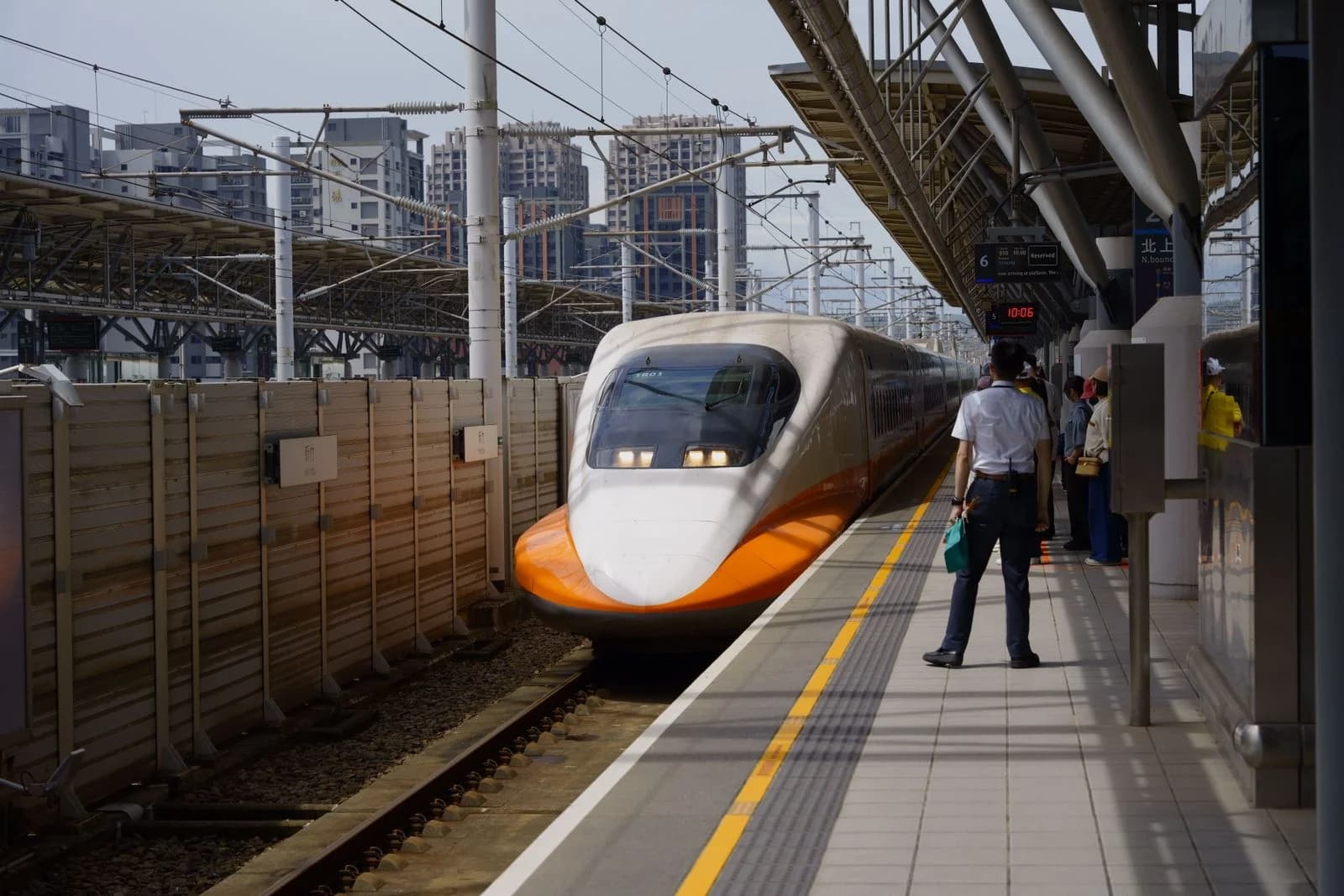
Trial runs of India's first bullet train on the 50-km Surat–Bilimora section in Gujarat are expected to begin in May 2027, Railway Minister Ashwini Vaishnaw said in New Delhi on 23 November 2026. The section is part of the 508-km Mumbai–Ahmedabad high-speed rail corridor. Vaishnaw also said Indian Railways expects to carry more than 8 billion passengers a year by the end of this financial year, which would bring it back to its pre-Covid level.
When will the bullet train trials start?
Trials on the Surat–Bilimora stretch are expected to start in May 2027, according to IANS and Business Today, both reporting the minister's remarks. The first trials will use the B-28 train, which is designed to run at up to 280 km per hour. IANS reported that the B-28 has cleared a "squeeze test", in which it was put under twice its normal operating pressure.
How far has work on the section got?
IANS reported that electrification of the Surat–Bilimora section is finished. Overhead equipment was switched on for both the up and down lines on 20 November. The corridor uses a 2x25 kV traction system, and installation at the Bilimora traction substation is complete. Signalling on the section is due to be finished by January 2027, the agency said.
When will passengers ride it?
The timing of the first passenger service is less clear. IANS cited a statement dated 20 November saying, "The first service begins in the last quarter of 2027!" Business Today reported that operations on the first 50-km stretch are expected around mid-2027, with sections opening in phases as each gets safety clearance. Its report also gives Surat–Vapi as the stretch in one place and Surat–Bilimora in another. No exact launch date for passenger services has been announced.
For the wider corridor, IANS reported that the Ahmedabad–Vapi section is targeted for completion by the end of 2027. Services are expected to reach Thane by 2029. Business Today said the full Mumbai–Ahmedabad line is expected to open for commercial operations by the end of 2029. It also reported that a faster model, the B35, with a top speed of 350 km per hour, is being developed for 2035, and that both trainsets are to be fully indigenous.
Passenger numbers back to pre-Covid levels
"As per our assessment, we will cross 8 billion annual passengers by the end of this fiscal year," Vaishnaw said, according to Business Today. The magazine noted that it has taken Indian Railways seven years to get back to its pre-Covid passenger level. The minister said 2,500 new train services had been added in the last six years.
During the Diwali and Chhath season, a record 18,000 extra services carried 200 million passengers, 8% more than last year, Business Today reported. It said ticketless travel fell during the season, which added to railway revenue.
Why it matters
A May 2027 trial would be the first real test of the high-speed line on track. The B-28 is being built in India rather than imported. The corridor will be rolled out in stages, so how fast later sections open will depend on safety clearances. For regular rail passengers, the 8-billion target shows that demand has come back to where it was before the pandemic.
What happens next
Signalling on the Surat–Bilimora section is due by January 2027. Trials are to follow from May 2027. The railway ministry has not yet given a firm date for the first passenger service.