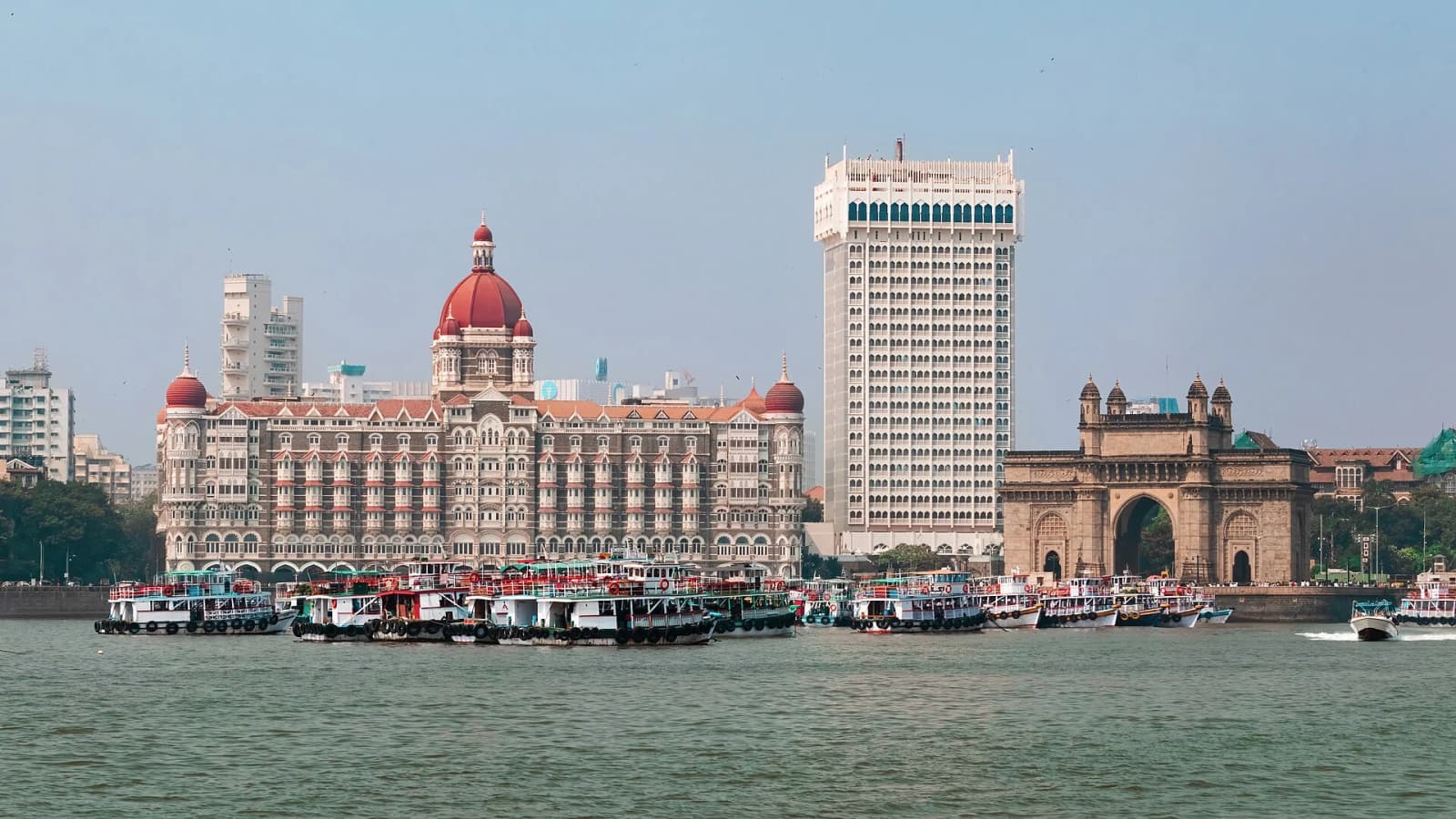
As India marks the anniversary of the November 26, 2008 Mumbai terror attacks, a look back at nearly two decades of security history recalls several other deadly bombings that shook the city between 1993 and 2011. During the 60-hour 26/11 siege itself, 10 Lashkar-e-Taiba terrorists from Pakistan killed 166 people—including 18 security personnel—and injured more than 300 across landmarks such as the Taj Mahal Palace Hotel, the Oberoi Trident, Chhatrapati Shivaji Maharaj Terminus, and Nariman House.
1993 Serial Blasts and 2003 Twin Bombings
On March 12, 1993, 13 coordinated serial explosions hit commercial and civic hubs across Mumbai, killing 257 people and injuring more than 700 in the deadliest terror strike in the city's history. Investigators linked the blasts to gangsters Tiger Memon and Dawood Ibrahim, both of whom remain absconding, while actor Sanjay Dutt later served a prison sentence for illegally possessing an AK-56 rifle connected to the arms consignment.
A decade later, Mumbai suffered multiple strikes within months. After bombings at Mumbai Central railway station in December 2002 (27 injured) and Vile Parle in January 2003 (one killed), a March 13, 2003 explosion in a first-class coach of a Karjat-bound local train at Mulund killed 11 people and injured 82. On August 25, 2003, taxi bombs detonated near the Gateway of India and Zaveri Bazaar, killing 54 and injuring 244; a special POTA court awarded death sentences to three key accused in 2009.
2006 Local Train Blasts and 2011 Attacks
On July 11, 2006, seven near-simultaneous explosions tore through first-class compartments on suburban trains departing Churchgate between 6.23 p.m. and 6.29 p.m., killing 187 commuters and injuring around 824. Investigators later arrested 13 suspects, alleging pressure-cooker RDX devices were used.
Five years later, on July 13, 2011, three evening rush-hour blasts hit Zaveri Bazaar, Opera House, and Kabutarkhana in Dadar, leaving 23 people dead and 127 injured in an Indian Mujahideen conspiracy funded via hawala channels.