Food safety officials in Bihar found 130 litres of formalin, a chemical better known for preserving dead bodies, during an inspection of a paneer manufacturing unit in Bakhtiyarpur in Patna district on Monday, 23 November 2026. The unit was operating without a valid food licence, and officials have ordered it to stop production and sales.
The inspection was carried out by the food safety wing of the state health department as part of its drive against unsafe food, The Times of India reported. The team was led by Mukesh Kashyap, according to Dainik Jagran.
What did the food safety team find?
Officials destroyed 635 kg of cream, 360 kg of paneer and 400 kg of milk on the spot and seized 214 kg of ghee. The 130 litres of formalin found at the unit were also destroyed, according to The Times of India. Dainik Jagran put the value of the seized and destroyed dairy products at ₹4,73,900.
- No licence: The unit had no valid Food Safety and Standards Authority of India (FSSAI) licence and no pest control certificate.
- Poor hygiene: Inspectors found dirty water collected on the floor of the premises.
- Samples: Samples of paneer, milk, ghee and cream have been sent to a laboratory for testing.
The unit has been told not to make or sell food until it obtains a licence or registration under the Food Safety and Standards Act, 2006.
Was formalin actually added to the paneer?
That has not been established yet. Officials found the chemical on the premises, but whether it was mixed into any of the dairy products will depend on the laboratory results. Dainik Jagran reported that the paneer, milk and ghee made at the unit were being sold to hotels and caterers, and that the department will also check those buyers once the reports arrive. The department had not yet worked out which establishments received the products, or in what quantities, the newspaper said.
Why is formalin in dairy products dangerous?
Formalin is a water-based solution of formaldehyde, used to preserve bodies, in laboratories and industry, and in disinfectants. Dairy operators sometimes add it to stop milk and milk products from spoiling quickly, Dainik Jagran reported. Dr Sanjeev Kumar Jha, head of gastroenterology at the Indira Gandhi Institute of Medical Sciences (IGIMS) in Patna, told the newspaper that formaldehyde is toxic: contact can irritate the eyes, nose and throat, swallowing it can damage the stomach and intestines and harm the kidneys and other organs, and long-term exposure may raise the risk of cancer.
Part of a wider crackdown
Patna's food safety department has been running raids for about eight months on sweet shops, dairies, ghee traders and paneer makers, Dainik Jagran reported. On 4 November, officials seized 855 kg of ghee and 174 kg of milk cake from a ghee store in Agamkuan in Patna. In a separate case in Uttar Pradesh, MapMyTimes recently reported on the seizure of 350 kg of suspected adulterated paneer in Moradabad.
What happens next
The laboratory reports on the samples will decide whether the unit's products were adulterated and what further action follows under food safety law. Until then, the unit must stay shut for production and sale. Consumers buying loose paneer and milk products can check that sellers display a valid FSSAI licence or registration number.
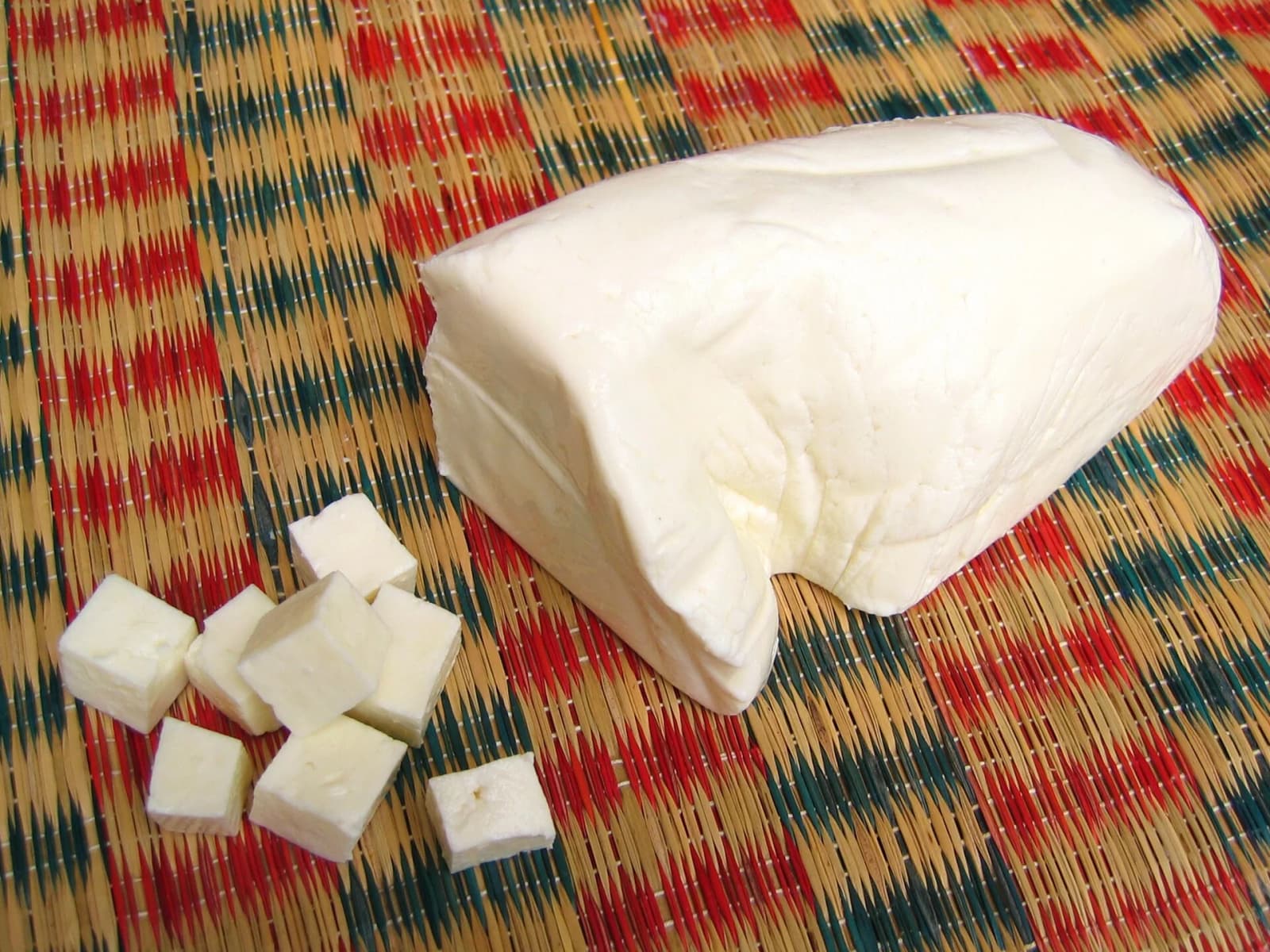
Photo source · Sonja Pauen (Stanhopea), CC BY 2.0 DE