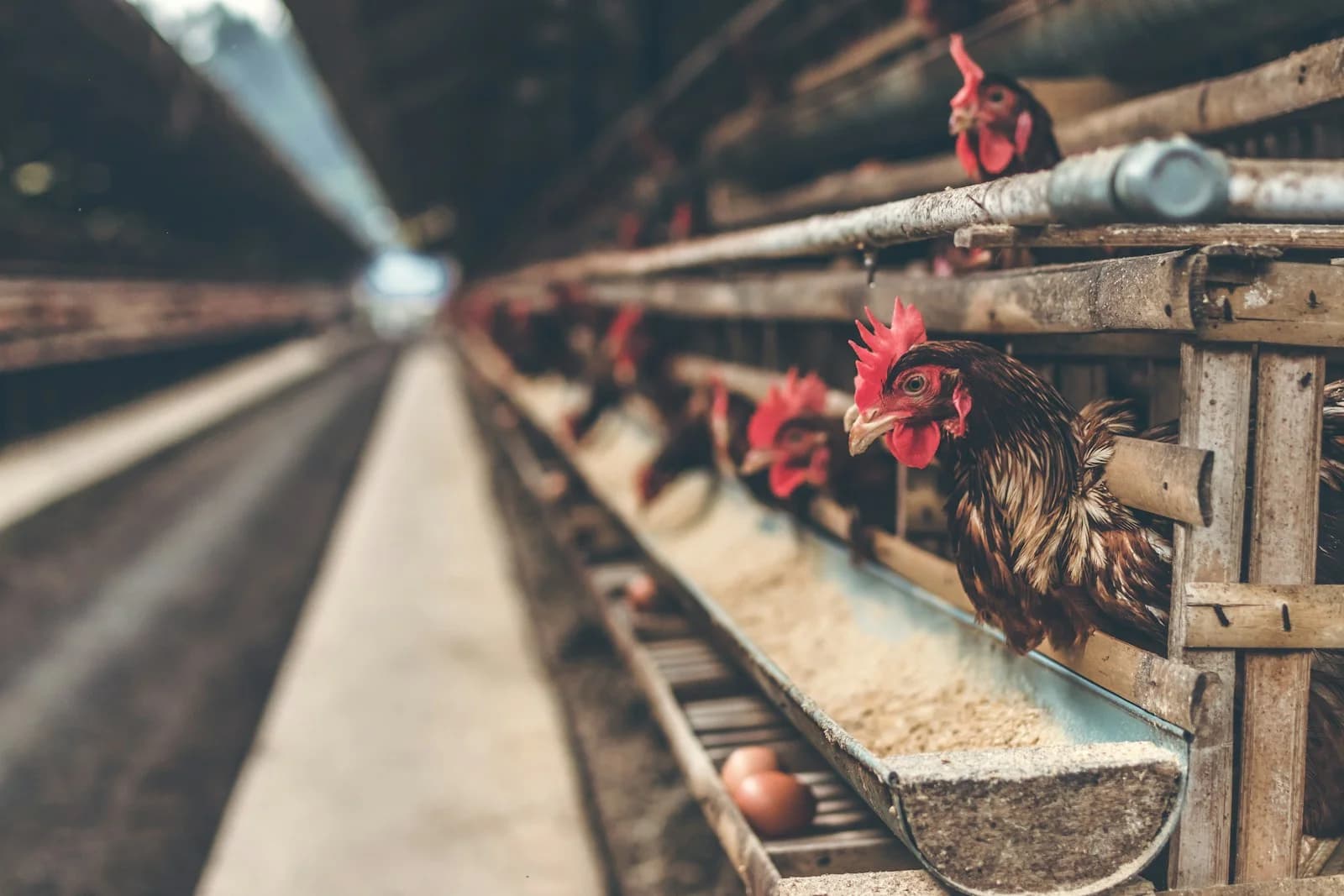
England has confirmed its 12th outbreak of H5N1 bird flu in poultry this season, after the disease was found on 22 November 2026 at premises near Northallerton in North Yorkshire, according to the UK government's bird flu situation page for England, last updated on 23 November 2026. From the same Monday, 23 November, keepers in Wales also became subject to mandatory housing measures for their birds.
How many outbreaks has England confirmed this season?
Twelve, all of the H5N1 strain, since the first English case at Belford in North Northumberland on 19 October, according to the government listing. The last week has been especially busy. The page records two cases on 18 November, at Coningsby in East Lindsey, Lincolnshire, and at Thirsk in North Yorkshire. A case at Driffield in the East Riding of Yorkshire followed on 20 November, then a second infected premises near Dereham in Breckland, Norfolk, on 21 November, and finally Northallerton on 22 November.
Across the UK, the government's tables count 16 cases in the 2026 to 2027 season: 12 in England, three in Scotland and one in Northern Ireland. Earlier English cases were recorded in Brigg (North Lincolnshire), Garstang (Lancashire), Pocklington (East Riding of Yorkshire), Dersingham (Norfolk), Market Rasen (Lincolnshire) and an earlier Dereham premises.
No new case was listed for 23 November. On that day, the surveillance zone around the Belford premises, the first English outbreak of the season, was lifted, the page says.
What do the housing rules require?
In England, an Avian Influenza Prevention Zone with housing measures has applied since 13 November 2026, according to the government page. Wales updated its prevention zone to make housing mandatory from 23 November. Under the rules described for England and Wales, anyone keeping 50 or more birds must keep them indoors. Owners of smaller flocks must also house them if they sell or give away eggs, poultry products or live birds.
In Northern Ireland, a prevention zone requiring poultry and other captive birds to be housed or kept apart from wild birds took effect at 00:01 on 19 November, the page adds.
What happens at an infected farm?
Trade publication Grocery Gazette reported on 23 November, citing the Department for Environment, Food and Rural Affairs (Defra), that all birds on affected premises are culled. Each site is ringed by a 3 km protection zone and a 10 km surveillance zone. Producers inside those zones may find it harder to move birds and poultry products.
The same report said Defra rates the risk to poultry as high where biosecurity is poor and medium where precautions are followed consistently, while the risk to wild birds is rated very high. It also said the general licence for bird gatherings has been withdrawn, so organisers of events involving birds need specific permission.
Will Christmas poultry supplies be affected?
Not overall, going by earlier Defra guidance quoted by Grocery Gazette, which said no general effect on the availability of Christmas turkeys or other seasonal poultry was expected. The report said the UK produces around eight million turkeys a year. It also noted that, under updated labelling rules, eggs from free-range flocks can keep their free-range label while birds are housed by order.
On food safety, the Food Standards Agency says the risk to consumers is very low and that properly cooked poultry and eggs remain safe to eat, Grocery Gazette reported.
Why it matters beyond the UK
The cluster of cases in Yorkshire, Lincolnshire and Norfolk, some of England's main poultry-producing areas, comes as trading partners react to outbreaks. On 23 November, MapMyTimes reported that Hong Kong suspended poultry imports from parts of Canada, the UK, the US and Japan because of bird flu.
What happens next
The government updates its England situation page as new cases are confirmed and as control zones are lifted. Housing orders remain in force in England, Wales and Northern Ireland, and keepers are expected to keep up biosecurity measures such as disinfecting footwear and equipment and keeping wild birds away from flocks. Suspected cases must be reported to the Animal and Plant Health Agency.