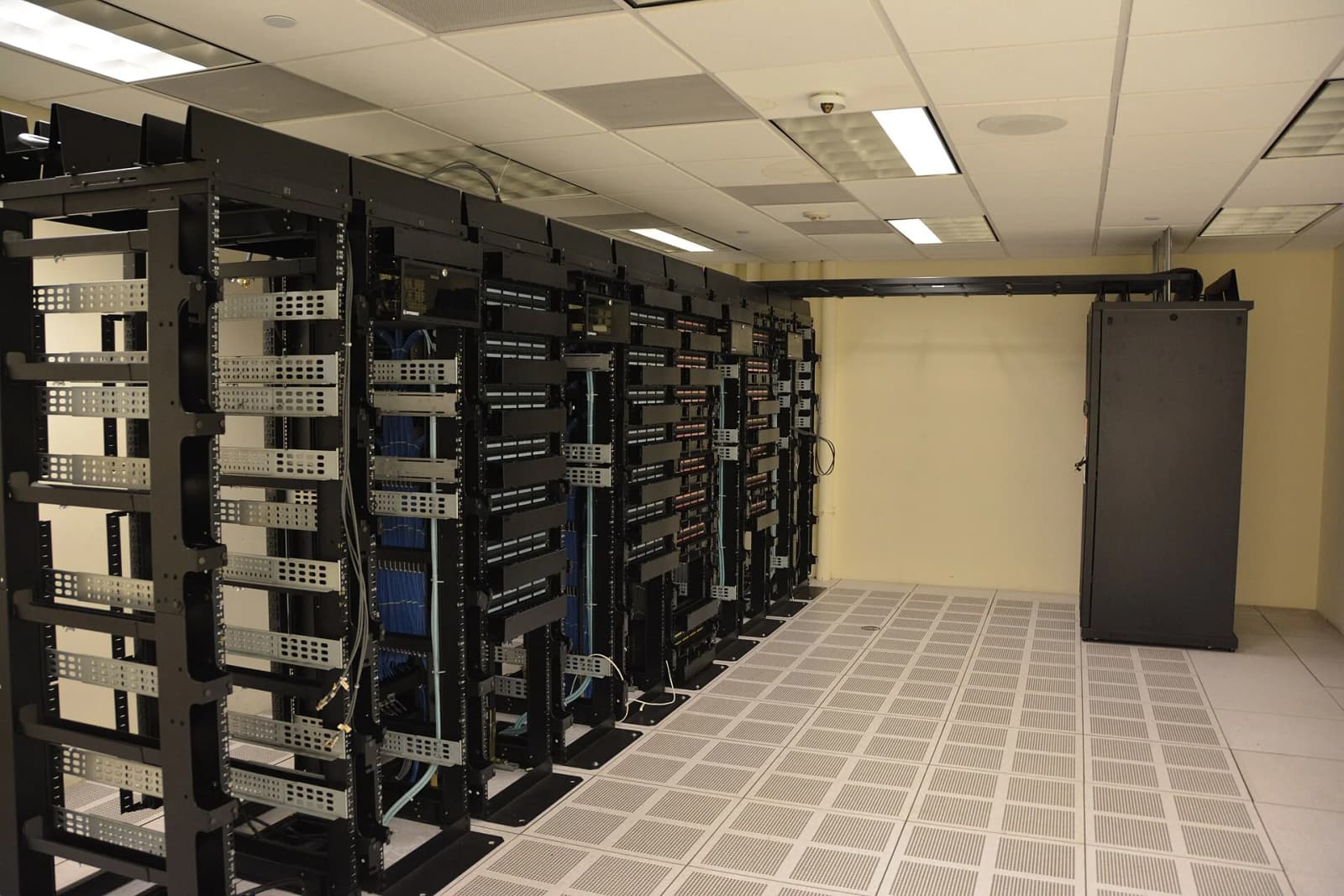
Private credit firm Apollo Global Management and investment bank Goldman Sachs said on 20 November 2026 in New York that they had priced about $44 billion of senior and subordinated notes to pay for graphics processing units (GPUs) and related equipment for Elon Musk's SpaceX. In a joint announcement, the two firms called it the largest GPU financing carried out so far.
The money will buy Nvidia's next-generation Vera Rubin chips for what the companies described as SpaceX's "terrestrial compute buildout", meaning computing capacity on the ground for its artificial intelligence (AI) business. The notes were oversubscribed, and the deal was enlarged because of strong investor demand, according to the release. Interest rates on the notes were not disclosed.
Who is putting up the money?
Funds and affiliates managed by Apollo and Goldman Sachs committed the financing. Funds and accounts managed by BlackRock and Goldman Sachs Asset Management, along with capital accounts advised by KKR, made anchor commitments, the firms said. Apollo Global Securities and Goldman Sachs acted as co-global coordinators, with Goldman Sachs as sole structuring agent. Morgan Stanley, Citi and PJT Partners advised Apollo.
"SpaceX is one of the most ambitious builders of compute in the world, and we are pleased to have led this financing alongside Goldman Sachs," said Jamshid Ehsani, a partner at Apollo. He added that the deal reflected Apollo's "focus on downside-protected, asset-based structures".
How does the lease work?
SpaceX will not own the chips outright at first. When it first disclosed the arrangement on 26 October, SpaceX said it had a binding commitment for a master finance lease of about $40 billion, under which an entity managed by Apollo buys GPUs and related equipment and leases them to the company. TechCrunch reported at the time that each lease would run about five to five-and-a-quarter years from delivery. Lease payments are expected to begin as the equipment arrives in the first half of 2027. The October announcement said closing was subject to conditions and was expected before the end of 2026; the 20 November statement covers the pricing of the notes, now upsized to about $44 billion.
Why SpaceX needs so much computing power
SpaceX's AI segment, which includes the Grok chatbot, has become its biggest revenue source. According to TechCrunch's report on the company's filing, the segment brought in $7.6 billion of SpaceX's $14.6 billion third-quarter revenue, more than its Starlink and launch businesses combined. Capital spending rose to nearly $20 billion in the quarter from $6.9 billion a year earlier, and SpaceX expects $35 billion to $40 billion in the fourth quarter alone. Chief Financial Officer Bret Johnsen said in October that the lease diversifies SpaceX's funding sources and that the company is seeing payback periods of under one year on its AI infrastructure spending.
Why it matters for markets
The pricing comes during a sharp sell-off in AI-linked shares. On the same day, the S&P 500 and the Dow closed in correction territory and the Nasdaq gave up its gains for 2026, after Asian markets tumbled earlier in the day. A large, oversubscribed debt deal backed by physical chips shows that big investors are still willing to lend against AI hardware, even as stock investors question the pace of spending. TechCrunch noted in October that the financing came amid wider strain in debt markets for AI infrastructure companies.
What happens next?
The next milestones are the formal closing of the transaction and the delivery of the Vera Rubin GPUs, which will trigger the lease schedules from the first half of 2027. Neither Apollo nor Goldman Sachs gave the coupon or maturity details of individual tranches in the announcement.
Photo source · Carl Lender, CC BY 2.0