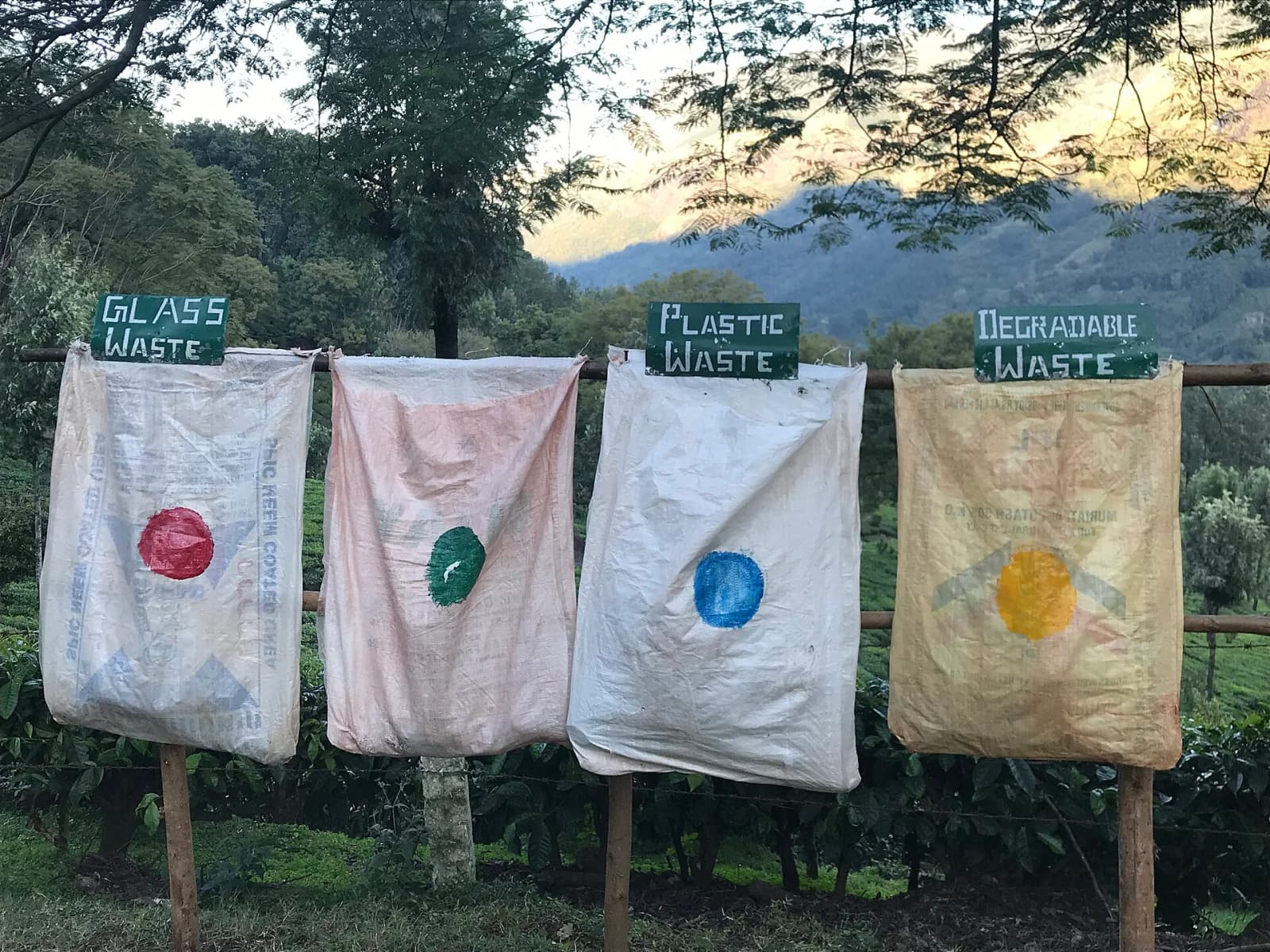
Andhra Pradesh has become the first state in India to introduce a circular economy policy, with plans to eliminate municipal dumping yards and process all waste generated daily, Swachh Andhra Corporation chairman Kommareddy Pattabhi Ram stated on November 25, 2026. Speaking at the 3rd World Mayors' Forum in Mumbai, he emphasized that separating waste at the source is indispensable for recycling systems to succeed.
Recycling Parks and Infrastructure Investment
Under Chief Minister N. Chandrababu Naidu's administration, the state is investing more than ₹550 crore to build 108 waste-processing centres and six waste-to-energy plants. To attract recycling enterprises, Andhra Pradesh is setting up four circular economy parks and offering land allocation, investment incentives, operational concessions, employment and skill support, and viability gap funding.
Officials noted that the goal is same-day treatment of daily waste so landfills and open dumpsites are phased out altogether. A digitized supply chain and real-time dashboard are also under development to track recyclable materials from collection points to processing facilities and help industries locate raw waste streams across regions.
Swachha Ratham Vans and Household Incentives
To drive source segregation at the community level, the state rolled out the Swachha Ratham mobile van programme, which purchases 12 categories of segregated waste directly from households across wards, municipalities, and villages. According to Pattabhi Ram, the vans have already collected about 118 tonnes of waste while distributing essential commodities valued at around ₹16 crore to women in participating households.
The state plans to open dedicated green shops in urban centres where residents can sell recyclable waste, while integrating informal waste pickers and sanitation workers into the formal recycling chain. The Mumbai forum, held as part of the centenary celebrations of the All India Institute of Local Self-Government, drew over 500 delegates from more than 200 cities across 30 countries.
Photo: Marajozkee / Wikimedia Commons (CC BY-SA 4.0)
Source: The Hindu, Deccan Chronicle