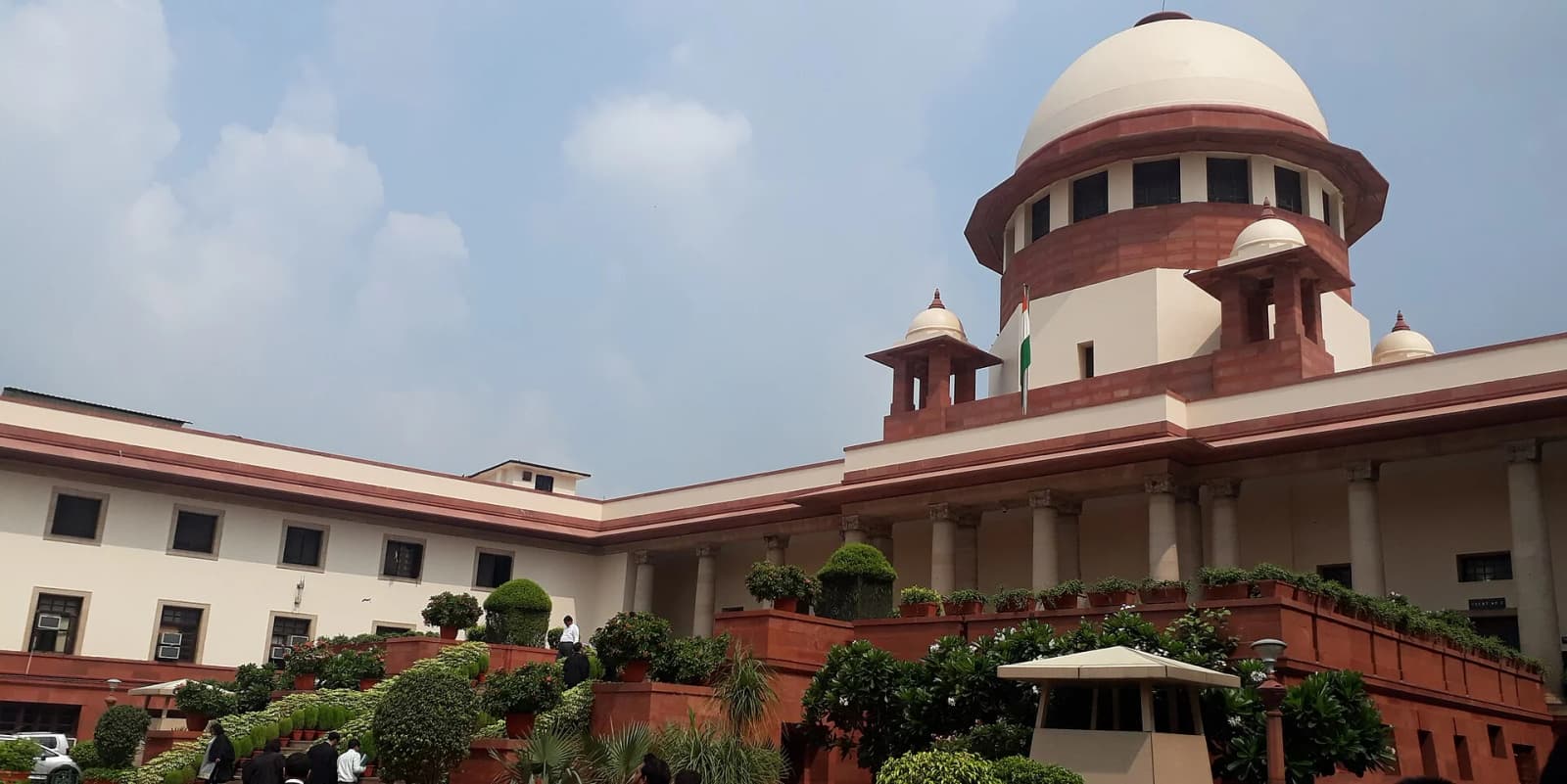
The Supreme Court of India on 25 November 2026 issued notice to the Delhi Police on fresh bail pleas filed by activists Umar Khalid and Sharjeel Imam, accused in the alleged "larger conspiracy" case linked to the February 2020 riots in northeast Delhi, but declined to consider their request for interim bail for now. A bench of Chief Justice of India Surya Kant, Justice Joymalya Bagchi and Justice V Mohana heard the matter in New Delhi, The Tribune reported.
The bench also directed that the matter be placed before the Chief Justice on the administrative side so that a three-judge bench can be constituted to hear it.
Did the court grant interim bail?
No, the court did not grant interim bail and said it would first hear the Delhi Police. When senior advocate Kapil Sibal, appearing for Khalid, pressed for interim release, the Chief Justice replied "Not today", according to reports. Senior advocate Siddharth Dave, appearing for Imam, sought similar relief, citing the length of his client's incarceration.
Justice Bagchi told counsel that since a prayer for interim relief had been made, the other side should be allowed to respond, LiveLaw reported. The Chief Justice also said that it was the main case, not the interim prayer, that would be listed, when Sibal asked for an early hearing, according to LiveLaw.
What are the activists arguing?
Khalid and Imam contend that the prosecution has failed to examine protected witnesses and that a one-year embargo on fresh bail applications, imposed earlier by the Supreme Court, is close to expiring, The Tribune reported. According to LiveLaw, the petitions argue that the examination of protected witnesses cannot be completed by 5 January 2027, and that their prolonged custody itself justifies bail. Sibal told the court that Khalid had spent more than six years in custody, LiveLaw reported.
The Tribune report said Imam was arrested on 25 August 2020 and Khalid on 13 September 2020. The case has been registered under the Unlawful Activities (Prevention) Act (UAPA).
Why is a larger bench involved?
According to LiveLaw, the bench sent the matter for a three-judge bench in light of a reference order passed on 22 May 2026 in a related matter, Tasleem Ahmed, which flagged a perceived conflict between two Supreme Court rulings on bail under the UAPA: Gulfisha Fatima and KA Najeeb. Sibal pointed out that a co-accused had been granted interim bail when that reference order was passed, LiveLaw reported.
Dave argued that the reference order did not affect these petitions, which he said were filed under the court's earlier judgment in the case, while Solicitor General Tushar Mehta, for the Delhi Police, responded that the reference arose from the same First Information Report (FIR), according to LiveLaw. The Chief Justice remarked that he felt "a little embarrassed" because the Najeeb judgment he had authored was being read differently by different benches, the outlet reported.
What is the background?
LiveLaw reported that on 5 January 2026 a bench of Justices Aravind Kumar and NV Anjaria had refused bail to Khalid and Imam while granting it to five other accused, and had barred fresh bail applications from the two for one year or until protected witnesses were examined, whichever came earlier. The prosecution alleges a conspiracy behind the violence that broke out during protests against the Citizenship (Amendment) Act, 2019, and the National Register of Citizens, according to the reports.
What happens next?
The Delhi Police must now file its response to the bail pleas. The reports did not give a date for the next hearing, which is expected to take place before a three-judge bench once the Chief Justice constitutes it. Until then, both activists remain in custody.
Photo source · Pinakpani, CC BY-SA 4.0