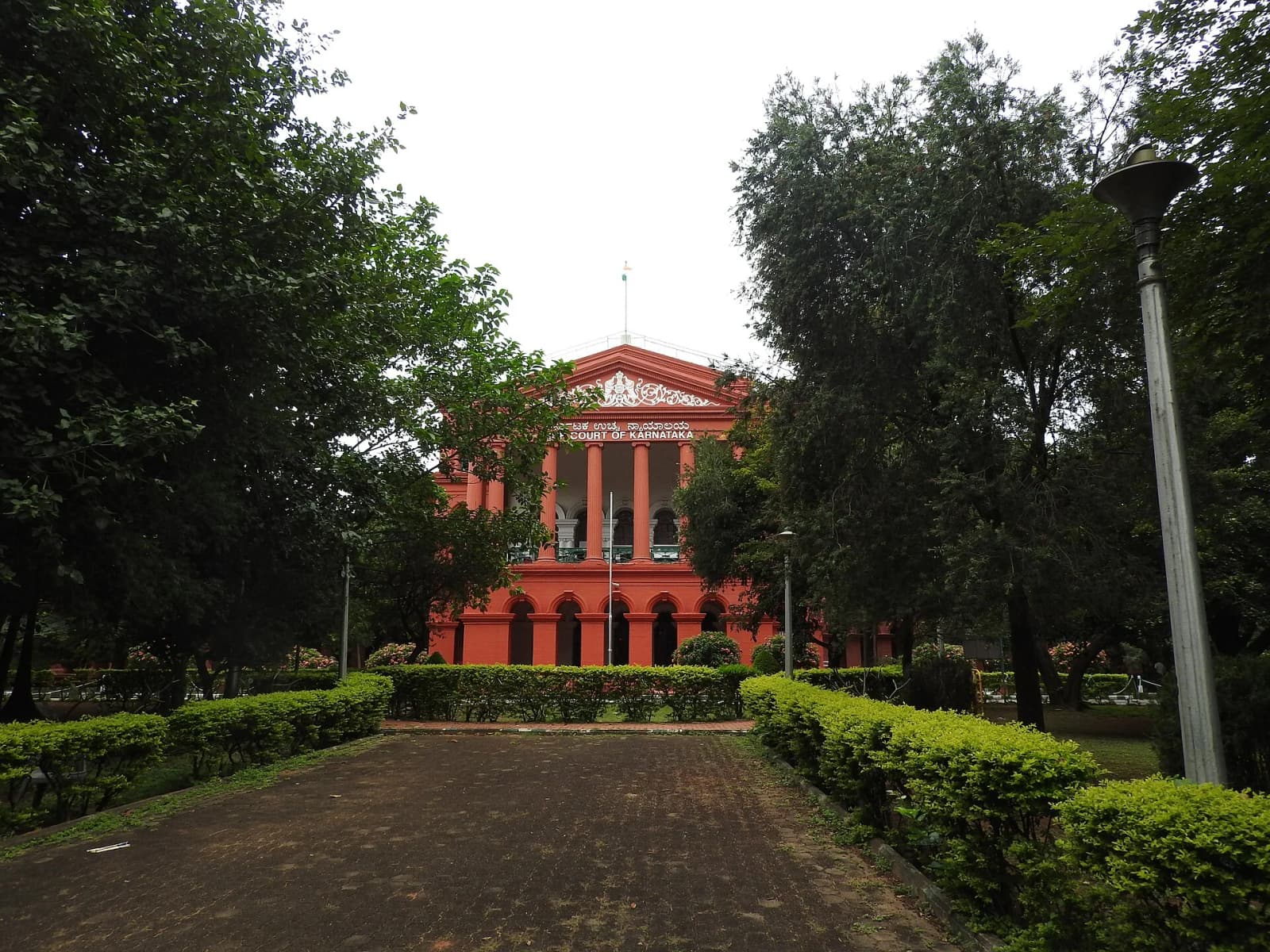
The Allahabad High Court on Monday, 16 November 2026, asked the Enforcement Directorate (ED) to state on affidavit whether the grounds of arrest were offered or served to Samajwadi Party leader and former Uttar Pradesh minister Mohd Azam Khan when he was arrested on 31 October in a money laundering case. A bench of Justices Rajiv Gupta and Devendra Singh kept the matter for Tuesday, when it is expected to pass orders, according to reports by LiveLaw and Bar and Bench.
"We are keeping this matter tomorrow. You file an affidavit by tomorrow," the bench told the agency's counsel, LiveLaw reported. It added: "Let it be on record on an affidavit that yes, it was offered, and you deny it."
What the dispute is about
Khan has challenged his arrest and is seeking release from custody. His central argument is that the ED did not give him the grounds of arrest, which his lawyers say makes his custody illegal under Article 22(1) of the Constitution.
Senior advocate Kapil Sibal, appearing for Khan, told the court that the grounds were supplied neither to Khan nor to his relatives. According to LiveLaw, he said the agency instead sent messages by email and WhatsApp to Khan's 84-year-old sister saying Khan had refused to receive the grounds, without attaching them. He also said the column in the arrest memo recording who was informed of the arrest had been left blank, and that the agency's video recordings do not show Khan refusing the document.
Sibal described the case as political vendetta. He argued that fresh cases are lodged whenever Khan is about to be released, and that the ED and the Uttar Pradesh authorities were "acting hand in glove for the purposes of persecuting the petitioner" so as to keep him in jail until the 2027 Assembly elections, LiveLaw reported. He told the court Khan is 80 years old.
What the ED said
Additional Solicitor General SV Raju and senior advocate Zoheb Hossain appeared for the agency. Hossain said ED officers made three to four attempts to hand over the grounds at the time of arrest and that Khan refused to accept them. He said the agency holds five contemporaneous documents, including a panchnama and video recordings, in support.
The ED also argued that the grounds, the remand application and the "reasons to believe" were supplied within 12 to 14 hours, when Khan was produced before the special court, and that he signed an acknowledgement under protest. Under the Prevention of Money Laundering Act (PMLA), the agency contended, the grounds can be communicated within 24 hours of arrest. Bar and Bench reported that the ED called this "deemed compliance" and opposed Khan's request for interim bail.
Raju argued that the law requires an arrested person to name a relative or friend to be informed and that Khan deliberately did not cooperate. The agency also said the petition is confined to the legality of the arrest and does not challenge the underlying FIRs or the ED's case itself.
How the case reached the High Court
- Khan and his son Abdullah Azam were in jail in a dual PAN card case. The High Court gave them relief in that case on 29 October.
- On 31 October, the ED arrested Khan soon after he walked out of Rampur jail. His counsel told the court the gap was about 40 minutes.
- On 1 November, a special PMLA court in Ghaziabad sent him to judicial custody, Bar and Bench reported.
- On 5 November, the Supreme Court sent his petition to the Allahabad High Court, which was asked to take it up on priority.
The ED's case is built on 26 FIRs registered by the Uttar Pradesh Police in July 2019 in connection with the Mohammad Ali Jauhar University in Rampur. The agency registered its case on 1 August 2019, and 28 more FIRs were added later, according to LiveLaw. The allegations include forcible occupation of farmers' land and diversion of public funds to the university's trust. Sibal told the court that the land in question had already been returned to farmers and that no proceeds of crime existed at the time of arrest; Hossain replied that restoring the land does not wipe out the money laundering offence.
What happens next
The ED has to place its affidavit on record by Tuesday, 17 November. The bench has said it will pass appropriate orders after that. No interim relief was reported on Monday, and Khan remains in judicial custody.