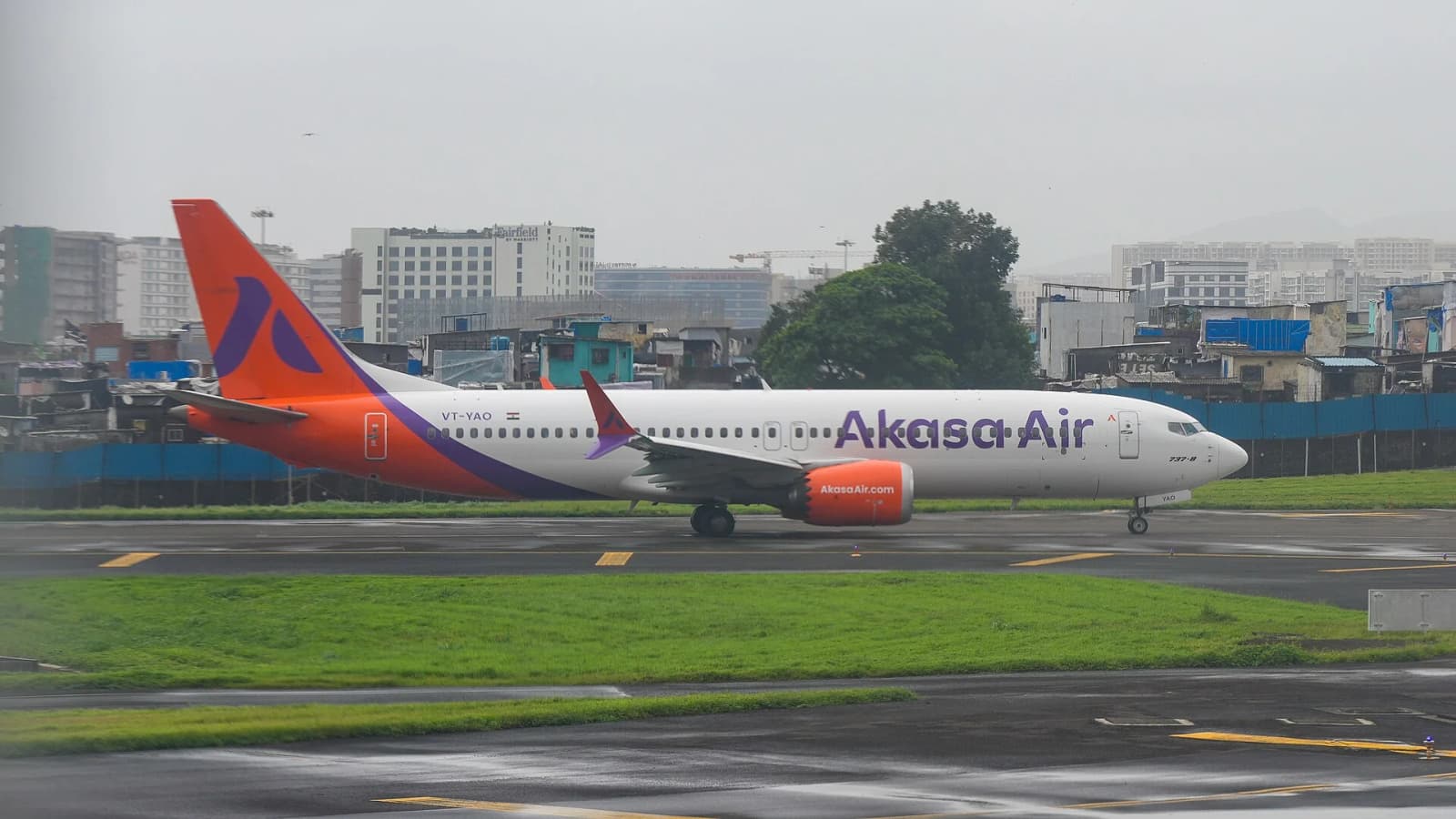
Adani Group, which operates eight airports across India handling more than a quarter of the country's passenger traffic, has approached the Union government seeking permission to invest in the commercial airline sector, Group Chief Financial Officer Jugeshinder Robbie Singh announced on Friday, November 27, 2026.
Why Adani Wants to Back Airline Operators
Speaking to reporters on the sidelines of the India Debt Capital Market Summit, Singh said India's aviation market has vast untapped capacity, estimating that more than 60 crore people have the financial capacity to fly. Meeting that demand, he argued, would require daily flight departures nationwide to expand nearly tenfold to around 30,000 flights.
Rather than confirming an in-house airline launch, Singh explained that the group has requested regulatory clearance to invest capital in airline companies, aviation funds, or entrepreneurs seeking to build carriers. He also noted that Adani's airport business is expected to reach listing readiness from a business-model standpoint in calendar year 2027.
Shift From Earlier Position on Carrier Ownership
The move signals a notable evolution from the group's earlier public stance. In July 2026, Adani Enterprises dismissed speculation over launching a commercial airline as baseless and told stock exchanges no proposal was under consideration. As recently as November 3, Adani Airport Holdings CEO Arun Bansal stated that competing directly with airline customers was not a sound strategy.
By seeking approval to participate as an investor rather than an immediate rival operator, the conglomerate is positioning itself to support carrier capacity expansion across its infrastructure ecosystem, which spans Mumbai, Navi Mumbai, Ahmedabad, Lucknow, Guwahati, and other key hubs.
Context of Domestic Aviation Market Concentration
India's domestic skies are heavily concentrated around two major carriers—the Tata Group-owned Air India group and IndiGo—which together control roughly 90% of the domestic market. Following widespread operational disruptions and flight cancellations at IndiGo last year, industry observers have repeatedly highlighted the need for additional capacity and new entrants to strengthen competition across India's growing aviation network.