Foreign ministers from 18 Arab and Muslim-majority countries on Saturday, 14 November, jointly condemned "in the strongest terms" an Israeli airstrike on the Nasser Medical Complex in Khan Younis, in the south of the Gaza Strip, and called on Israel to respect the ceasefire and let humanitarian aid in without restriction.
The joint statement, published by Türkiye's Ministry of Foreign Affairs, was signed by the foreign ministers of Türkiye, Algeria, Djibouti, Egypt, Indonesia, Jordan, Kuwait, Lebanon, Libya, Mauritania, Oman, Pakistan, Palestine, Qatar, Saudi Arabia, Somalia, Sudan and the United Arab Emirates.
What happened at Nasser hospital
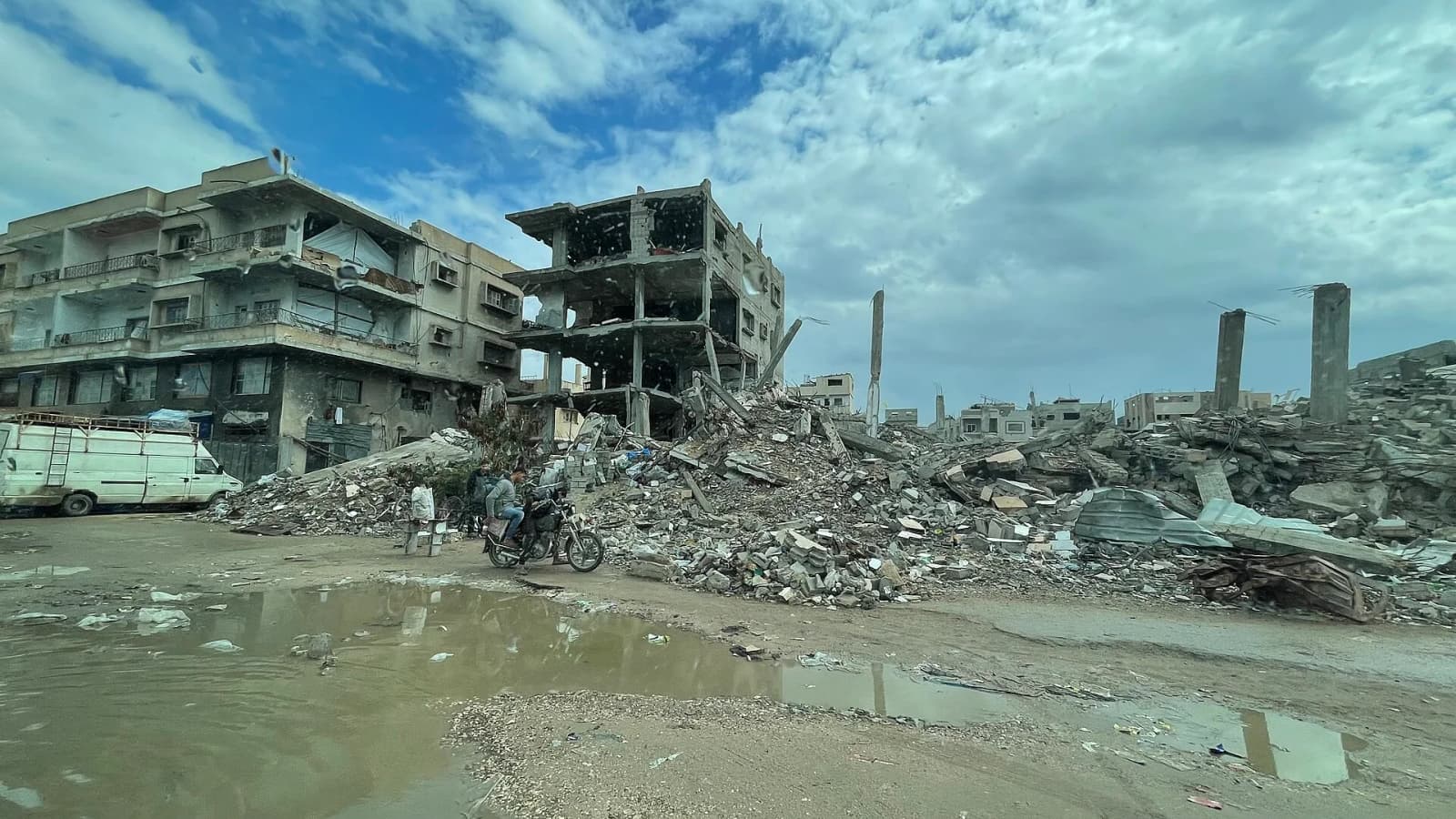
The strike hit the hospital shortly after midnight on Thursday, 12 November, NBC News reported. The Palestinian Health Ministry said at least six people were killed, among them medical staff and patients. Those named by NBC included surgeon Dr Rizk Abu Shaira and a 13-year-old boy. Other reports put the number of wounded at about 20.
The Israeli military and the Israel Security Agency said they had targeted Muhammad Abu Ismail, whom they described as commander of Hamas' Khan Younis Brigade, along with other militants. They said Hamas had "established a presence within the hospital complex and used it as a command center", that advance warnings had been issued, and that they were examining reports that health workers and patients had been killed. Hamas rejected the accusation and called the attack a "war crime". Dr Ayman Abu Obeid, the hospital's head of surgery, told NBC there had been no warning and that he knew of no fighters inside, only medical staff treating patients.
What the ministers said
The ministers said the strike violated international humanitarian law, which gives special protection to medical facilities and health workers. They also condemned continued Israeli attacks on civilians, including on tents and shelters for displaced people. They said such attacks undermine the ceasefire and run counter to what they called "President Trump's Comprehensive Plan".
The statement expressed "grave concern" over Israeli limits on shelter materials such as tents, caravans and mobile homes, and on medical supplies. With winter arriving, the ministers warned, poor shelter and failing water, sanitation and health services put children and infants at risk of dying again from exposure to the cold.
Demands on Israel and the US
The signatories urged Israel to meet its commitments under the Sharm El-Sheikh Agreement, the Comprehensive Plan and UN Security Council Resolution 2803 "immediately and in full". They asked for safe, sustained and unimpeded aid deliveries, freedom for UN agencies and relief groups to work, and for first-phase commitments to be carried out "without further delay or additional conditions". They also said urgent aid should not be tied to progress on later phases of the plan.
The ministers called on the United States and the Board of Peace to step up efforts to make sure Israel implements these commitments and lifts all restrictions on aid. They said they would keep working with regional and international partners to consolidate the ceasefire.
Why it matters
The truce that took effect in October 2025 has been repeatedly tested. According to NBC, the Palestinian Health Ministry says more than 1,600 people have been killed since it began, while Israel says four of its soldiers have died in that period, and each side accuses the other of violations. By addressing their demands directly to Washington and the Board of Peace, the 18 governments have made the hospital strike a test of whether the ceasefire framework can be made to hold.
PS · Jaber Jehad Badwan, CC BY-SA 4.0