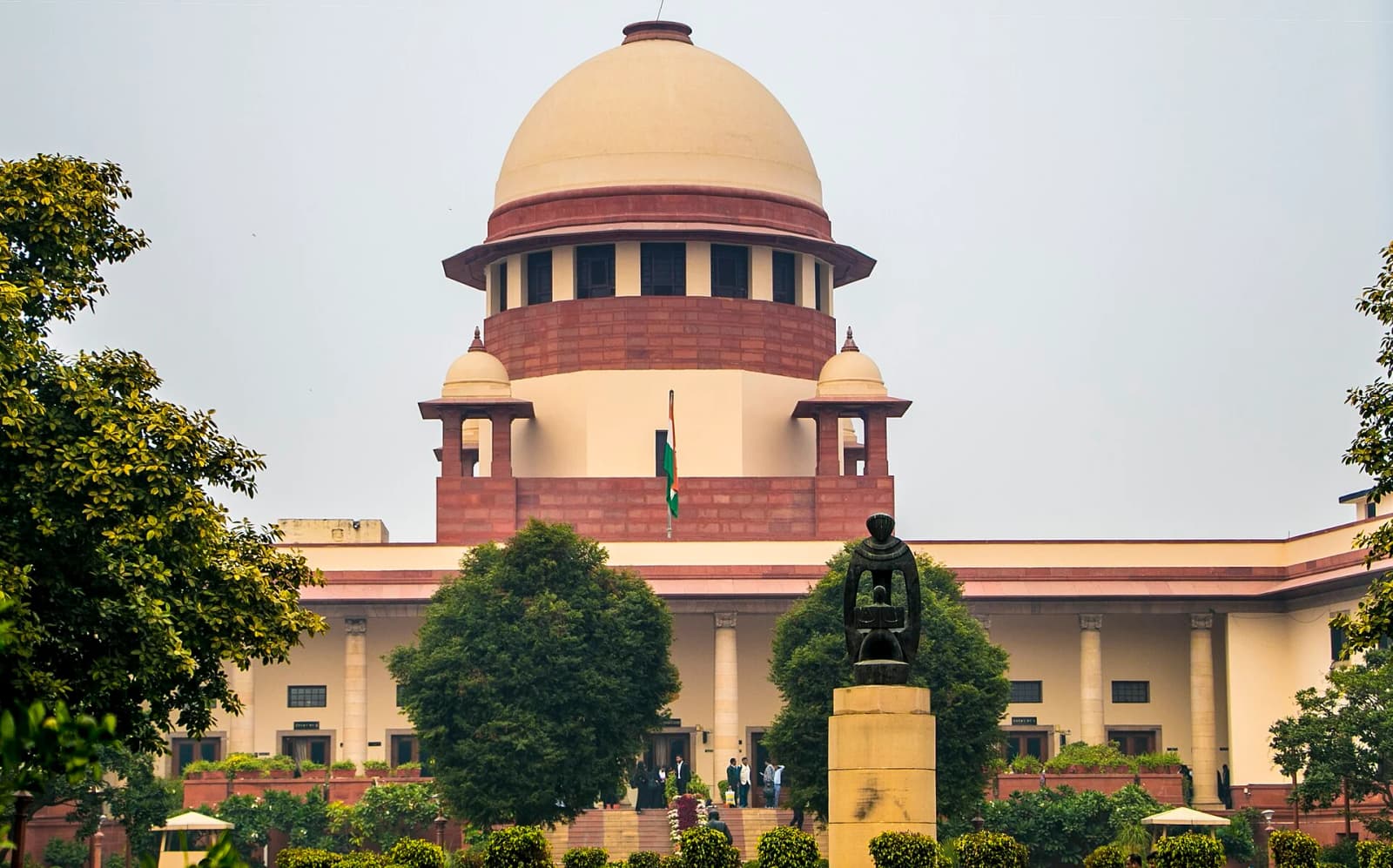
YES Bank has asked the Supreme Court to reconsider its October 15, 2026 judgment that left intact the Bombay High Court's ruling against the March 2020 write-off of ₹8,415 crore in Additional Tier-1 (AT-1) bonds. The private lender disclosed the review petition in a stock exchange filing on Friday, November 13, saying it had moved the court under Article 137 of the Constitution.
What the bank is challenging
On October 15, the Supreme Court dismissed appeals filed by YES Bank, the Reserve Bank of India (RBI) and the Union government against the high court's January 20, 2023 judgment, which had quashed the write-off. The top court held that the bank's administrator had no power to write the bonds off because the reconstruction scheme contained no specific provision allowing it.
In that judgment, the court was sharply critical of how the RBI, the administrator and the bank had handled the matter. It described the RBI as a "mere bystander" while the bank's core equity ratio fell to 0.6 per cent, and said it would be "highly unfair" for investors to bear the cost of administrative lapses.
The bonds at the centre of the dispute
AT-1 bonds are perpetual instruments that banks issue to strengthen their capital base. They pay higher interest than ordinary bonds because they carry more risk, and the RBI can ask a bank in distress to cancel them. According to Business Today, the disputed amount is made up of two issues: ₹3,000 crore at a 9.5 per cent coupon issued in December 2016 and ₹5,415 crore at 9 per cent issued in October 2017.
The Centre placed YES Bank under a moratorium on March 5, 2020, as its finances deteriorated. On March 14, 2020, the administrator wrote down the AT-1 bonds and informed the BSE and NSE. Bondholders, represented by Axis Trustee Services, challenged the decision in the Bombay High Court in 2020. The high court found that the final reconstruction scheme approved by the Centre did not include any clause for writing down these bonds. It set aside the write-off, but put its own order on hold so the appeals could be heard.
Why it matters
The ruling has a direct bearing on the bank's capital. Business Today reported that in a disclosure on October 16, YES Bank estimated that restoring the bonds' principal could reduce its Common Equity Tier-1 ratio by about 250 basis points, based on its June 30, 2026 position. The bank said its Tier-1 ratio would stay at 14 per cent on a pro forma basis and that it had room to take further capital measures if needed.
Bondholders have been pressing for their money. On October 28, the trustee asked the bank to reinstate the bonds within three days and warned it could seek contempt proceedings. The bank replied on October 30 that it acknowledged the ruling and was studying its legal implications, adding that coupon payments would be governed by the terms of each bond's information memorandum, including the discretion those terms allow.
What happens next
No hearing date had been reported as of Saturday. Until the court acts, bondholders still do not know when the bonds will be reinstated, whether interest will be paid, or exactly how much capital the bank will need to set aside.
PS · Subhashish Panigrahi, CC BY-SA 4.0