Releasing mosquitoes that carry a common bacterium called Wolbachia cut dengue and chikungunya infections among schoolchildren in the Brazilian city of Belo Horizonte by about 69%, researchers reported on Saturday, 21 November 2026. The results of the EVITA Dengue trial were presented at the annual meeting of the American Society of Tropical Medicine and Hygiene (ASTMH) in National Harbor, Maryland, in the United States.
The trial is registered on ClinicalTrials.gov under the US National Institute of Allergy and Infectious Diseases (NIAID) and enrolled 5,757 children. It was run by researchers from Brazil, including the Federal University of Minas Gerais (UFMG), Fiocruz, the World Mosquito Program and the São José do Rio Preto medical school (FAMERP), together with Emory University, Yale University, Johns Hopkins University and the University of Florida in the US.
How much did the mosquitoes reduce infections?
Overall efficacy against arboviral infection was 68.6%, according to the researchers' announcement. Broken down by virus, efficacy was 68.5% for dengue and 73.3% for chikungunya. "This means that children living in communities where Wolbachia mosquitos were established had substantially lower arboviral infection," said Dr Sri Edupuganti of Emory University School of Medicine, a co-principal investigator. There were too few Zika cases to judge any effect on that virus.
How was the trial designed?
- Clusters: Belo Horizonte was divided into 58 areas based on schools. Half got Wolbachia mosquito releases on top of standard mosquito control (insecticide spraying and removing breeding sites); the other half got standard control only.
- Releases: The mosquitoes, a locally adapted strain, were released from January 2021 to May 2022 and stayed established for more than three years.
- Blood tests: Children aged six to 11 gave a blood sample in 2020 and then once a year until 2024. These were tested for antibodies to dengue, Zika and chikungunya, which also picks up infections that never reached a clinic.
The trial ran through 2024, when Brazil had the biggest dengue outbreak in its recorded history, and the protective effect held during that surge.
Why does Wolbachia work?
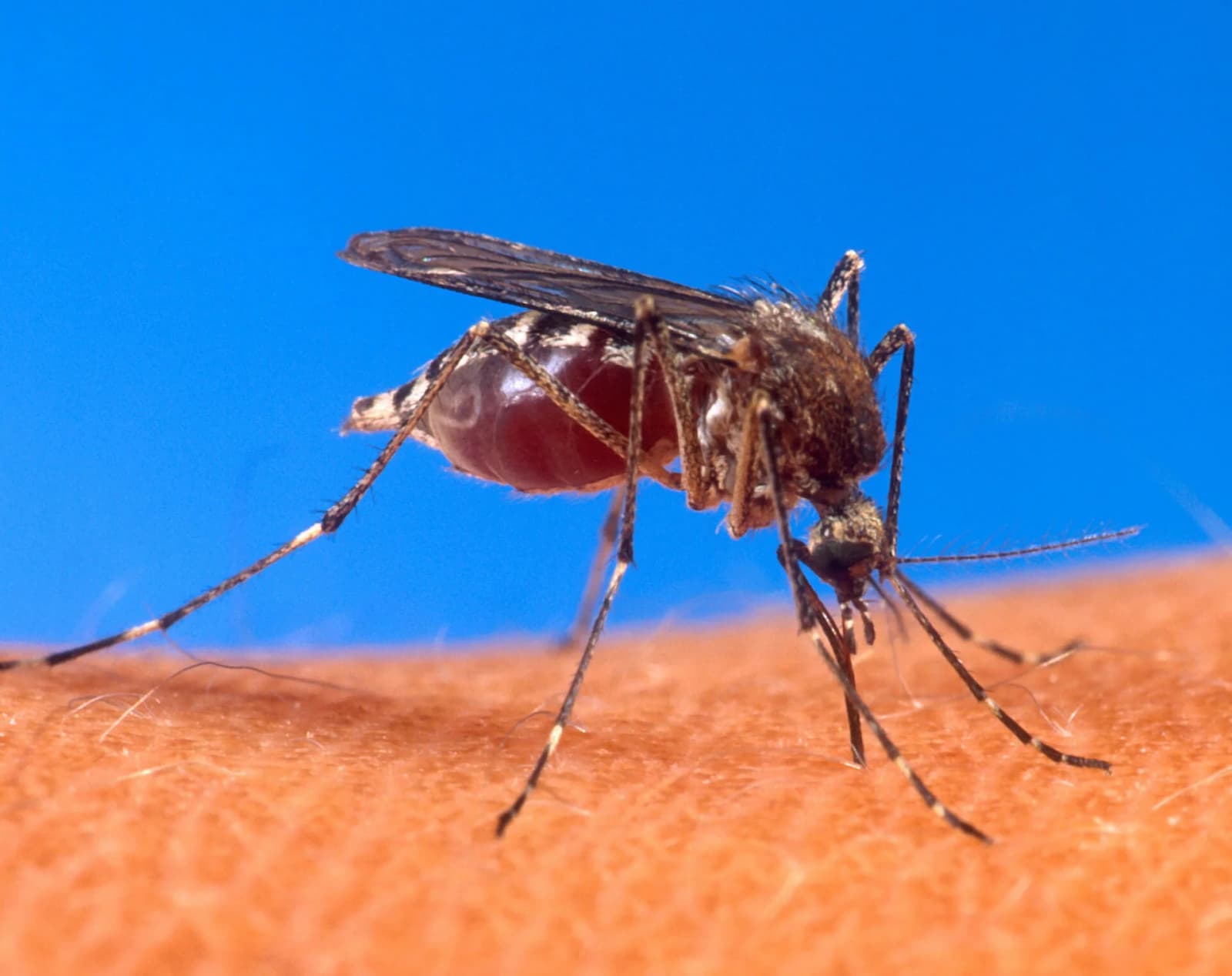
Wolbachia is a naturally occurring bacterium that is harmless to people. When it is introduced into Aedes aegypti, the mosquito that spreads dengue, it sharply reduces the insect's ability to pass on viruses such as dengue, Zika and chikungunya. Female mosquitoes pass the bacterium to their offspring, so after enough releases it spreads through the local mosquito population and becomes self-sustaining.
What do experts say, and what is still unknown?
Dr David Hamer, a global health expert at Boston University who was not involved, called the results "really exciting" and said pairing Wolbachia with existing measures could sharply lower dengue in many places, the Associated Press reported. The findings so far come from a conference presentation; the announcement did not cite a published, peer-reviewed paper. The trial covered a single city, so results elsewhere may differ.
Why it matters
Control of dengue has largely relied on insecticides and on people avoiding mosquito bites; the researchers argue this approach offers a self-sustaining addition. The trial adds to earlier field evidence from Indonesia and other places that this approach can lower dengue. It also comes as Florida faces an unusual local outbreak, with more than 650 locally acquired cases tallied as of 20 November, according to the AP report.