The World Health Organization (WHO) has updated its emergency response recommendations for the Ebola epidemic caused by the Bundibugyo virus disease (BVD) in the Democratic Republic of the Congo (DRC), calling for stronger protection of health workers and faster clinical trials for vaccines and therapies.
Rising Toll and Attacks on Health Facilities
In a statement released on November 27, 2026, WHO reported that more than 12,000 cases and 5,900 deaths had been recorded in the DRC as of November 24. Insecurity across affected areas remains a major obstacle to outbreak containment, disrupting humanitarian access and endangering patients and frontline staff.
Since the outbreak was declared a Public Health Emergency of International Concern (PHEIC) six months ago, WHO has verified at least 94 attacks on health care in the DRC. Following the third meeting of the International Health Regulations (IHR) Emergency Committee on November 17, chaired by Professor Lucille Blumberg, WHO Director-General Dr. Tedros Adhanom Ghebreyesus issued updated temporary recommendations on November 25 and confirmed that the epidemic remains a PHEIC.
Clinical Research and Cross-Border Vigilance
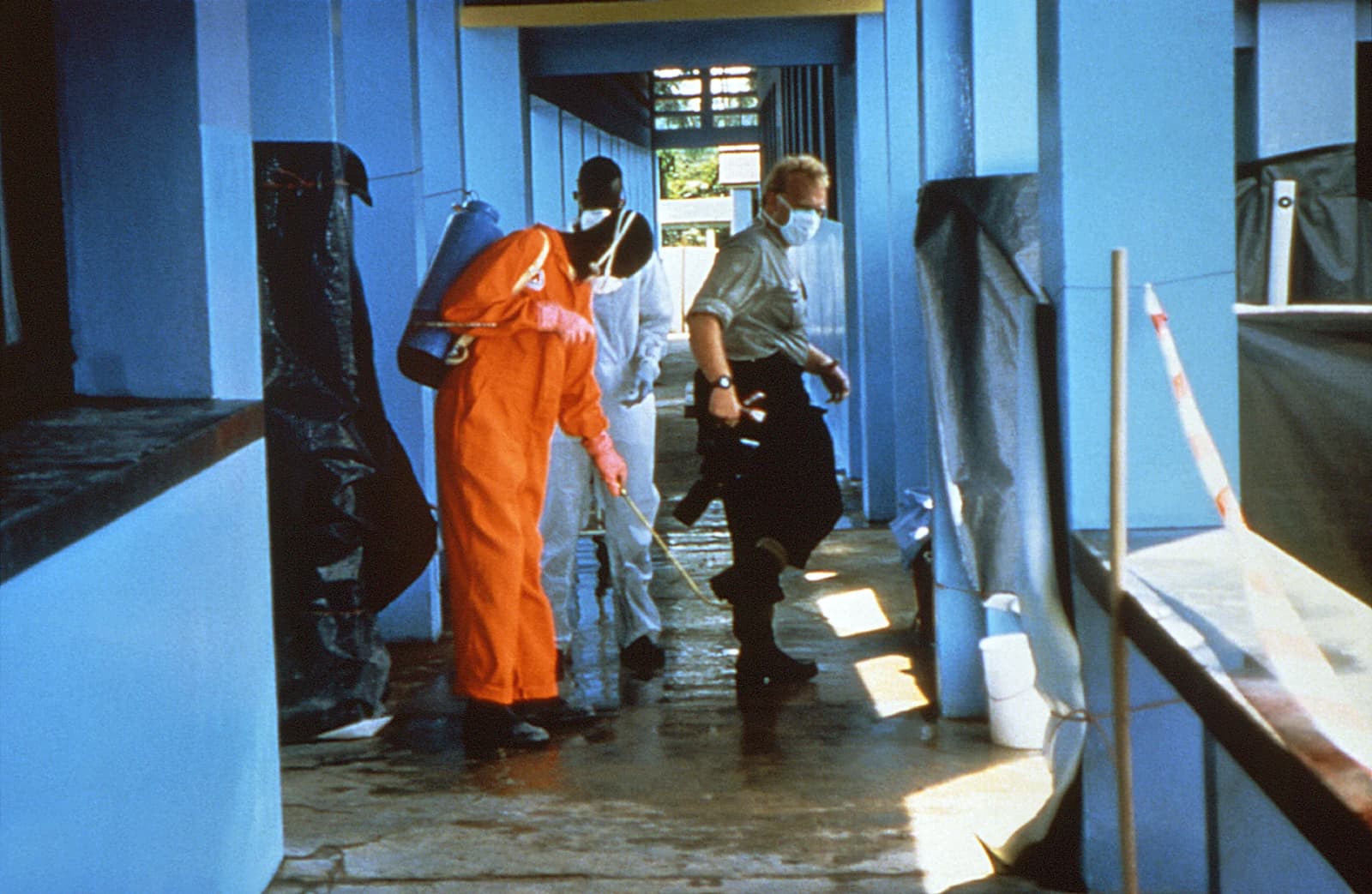
The Committee urged accelerated clinical trials of candidate vaccines and treatments under strict scientific, ethical, and safety standards, paired with transparent community engagement. It also stressed preventing facility-based infections, including risks linked to unsafe injections, and cutting delays between symptom onset, diagnosis, and supportive care.
For countries outside the DRC, WHO advised targeted assessments to identify travelers who may have been exposed to Bundibugyo virus disease while avoiding unnecessary restrictions on international flights and trade.