The World Health Organization (WHO), the United Nations Children's Fund (UNICEF), Spain and 20 other countries have launched a global call to action on obesity titled "Bending the curve by 2030", with the participating governments committing to cut national obesity prevalence by 5% by 2030. WHO announced the call on 17 November 2026 and held an online launch session for it on 18 November 2026.
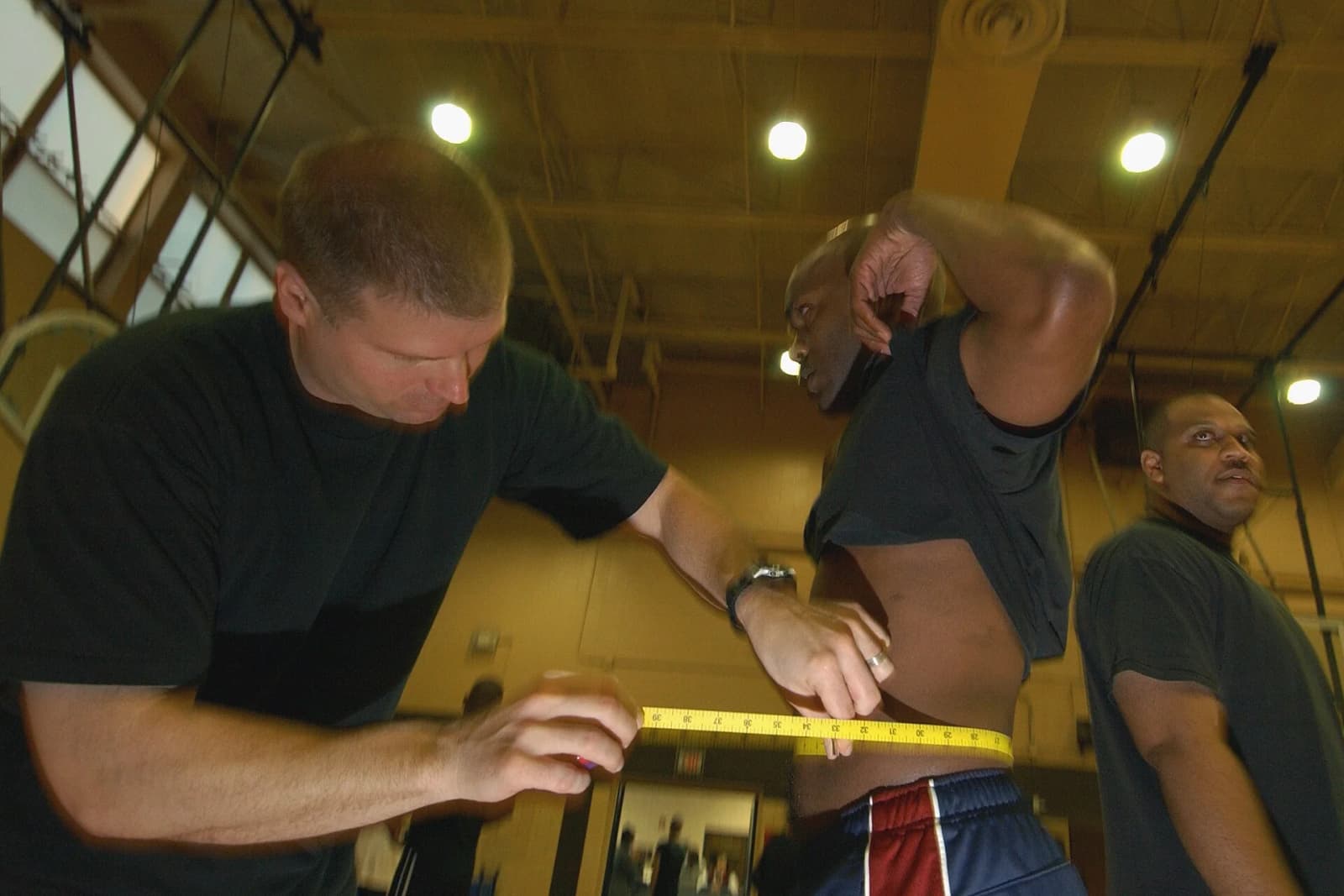
The call comes as, according to WHO's announcement, more than 1 billion people worldwide now live with obesity.
Which countries have signed up?
The call is a joint commitment by the Government of Spain and 20 countries that WHO calls "frontrunners" under its acceleration plan to stop obesity: Bahrain, Barbados, Botswana, Brazil, Brunei Darussalam, Egypt, Eswatini, Ireland, Jordan, Malaysia, Mauritius, Mexico, Panama, the Philippines, Portugal, Seychelles, Slovenia, South Africa, Thailand and Uruguay. India is not among them. WHO said all of these countries belong to the first group of 34 frontrunner countries in the plan.
The governments committed to faster action on three fronts: preventing overweight and obesity across the population, identifying and supporting people at higher risk earlier, and providing timely, effective and affordable treatment and care.
How big is the problem?
WHO says obesity now affects one in seven people globally. Since 1990, its prevalence has more than doubled among adults and quadrupled among adolescents. In 2025, for the first time, obesity overtook underweight as the most common form of malnutrition among children and adolescents aged 5 to 19 years, the agency said.
WHO describes obesity as a chronic, complex disease and a form of malnutrition that raises the risk of noncommunicable diseases such as cardiovascular disease, diabetes and some cancers.
What measures are countries being asked to take?
Countries are being asked to use a package of measures that WHO calls proven. These include:
- support for breastfeeding and adequate complementary feeding in early childhood;
- healthy school environments;
- taxes on sugar-sweetened beverages and front-of-pack nutrition labels;
- restrictions on marketing unhealthy foods to children;
- policies that make physical activity easier;
- stronger obesity prevention and care in primary health care, including medicines where appropriate.
The call also recognises people living with obesity as partners in designing policies and services, not only as recipients of care.
What did the leaders say?
"Obesity is one of the defining public health challenges of our time, but its continued rise is not inevitable," said Dr Tedros Adhanom Ghebreyesus, WHO Director-General.
Mónica García Gómez, Spain's Minister of Health, described the goal as reducing childhood obesity prevalence by 5% by 2030 "in front-runner countries and beyond", and said success would depend on whether policies reach schools, neighbourhoods and the families who face the greatest barriers to healthy environments.
Catherine Russell, Executive Director of UNICEF, said harmful food environments are denying too many children a healthy future, and that investment in prevention and stronger food policies can reverse childhood obesity trends.
Background
The call builds on WHO's acceleration plan to stop obesity, adopted by the World Health Assembly in 2022, which helps countries choose and implement evidence-based interventions. It follows the Global Obesity Summit held in Madrid from 26 to 28 October 2026. WHO said its 18 November online session was meant to bring together government leaders, health experts, people living with obesity and partners, and to explain how the call can be put into practice.
What happens next?
WHO and UNICEF say they will work with countries to understand early data from some places that point to possible first declines in obesity prevalence, and how those approaches can be adapted elsewhere. Progress towards the 5% reduction target will be measured against 2030.