
The World Health Organization (WHO) has published two new guidelines on type 1 diabetes in the run-up to World Diabetes Day on 14 November, including what it describes as its first-ever guideline on diagnosing, treating and following up children and adolescents with the condition. The paediatric guideline was released on 13 November 2026, a day after a separate guideline on insulin use in adults, which also covers emergency and humanitarian settings.
Together, the two documents aim to narrow wide gaps in how people with type 1 diabetes are diagnosed and treated around the world, with a particular eye on low-resource health systems.
First WHO guidance for children and teenagers
According to WHO's publication page, the new paediatric guideline covers young people up to the age of 19. It is designed mainly for primary and secondary health care, and its audience includes non-specialist health workers as well as programme managers and policy-makers.
The recommendations span several areas:
- Initial assessment: using a point-of-care urine dipstick test where blood glucose cannot be measured;
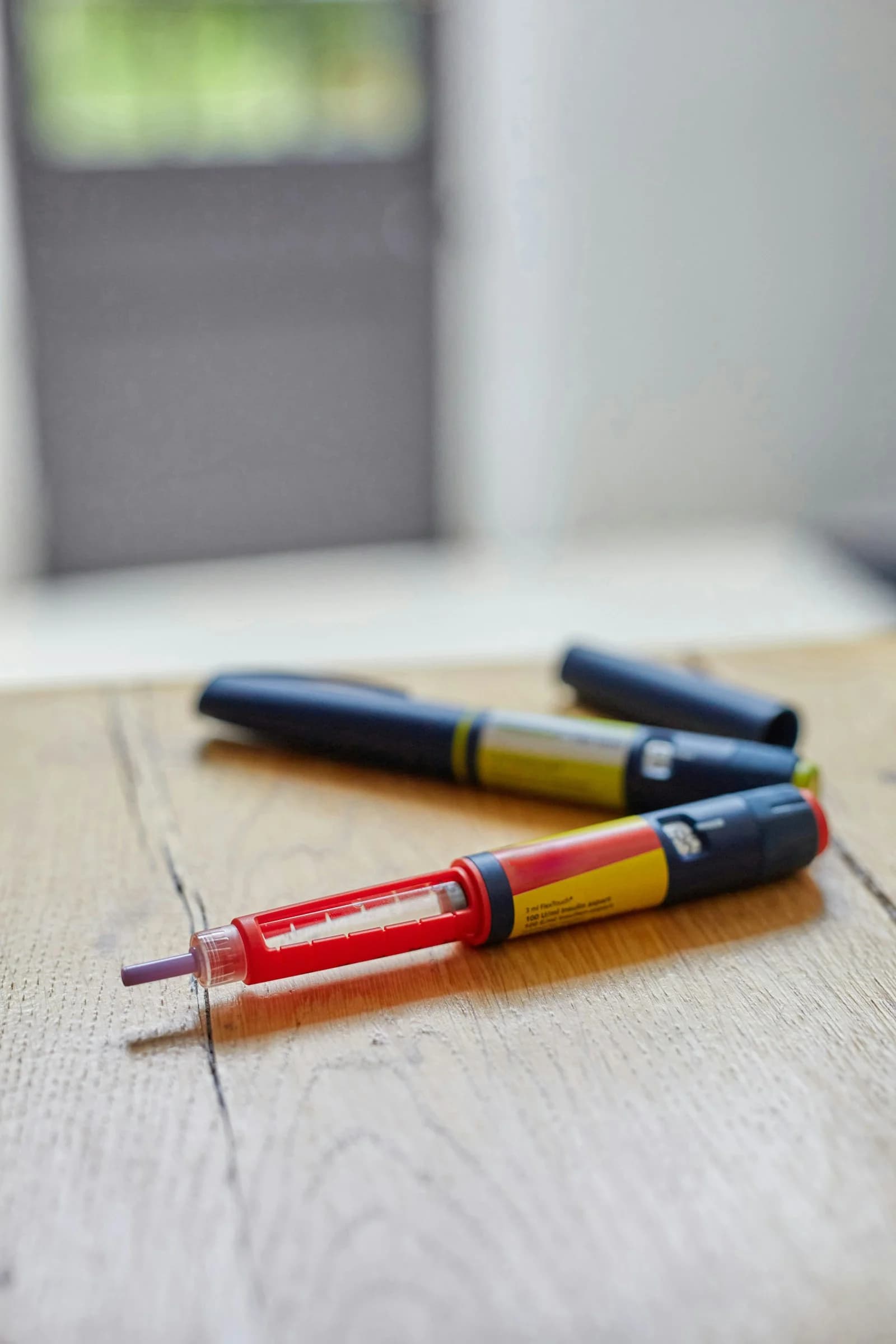
- Insulin treatment: types of insulin, starting doses, regimens and delivery devices;
- Monitoring: blood sugar targets set for the individual child, and how to track them;
- Emergencies: spotting and treating diabetic ketoacidosis, including in young children, and managing dangerously low blood sugar (hypoglycaemia);
- Complications: screening for eye damage (retinopathy) and kidney damage (nephropathy) based on each patient's risk.
WHO says the recommendations were built on systematic reviews of evidence using the GRADE method. The guideline sits within WHO's consolidated guidance on managing common childhood illnesses.
Insulin for adults, including in crises
The adult guideline, dated 12 November, updates earlier WHO advice on diagnosis and classification, insulin regimens and delivery, and glucose monitoring, including self-monitoring. It is meant to keep treatment safe and workable across very different health systems, including in emergencies and humanitarian crises, where supplies and continuity of care are often disrupted.
WHO's summary says the guideline strongly recommends intensified insulin therapy given as multiple daily injections, with doses adjusted according to blood glucose readings. It allows both human insulin and newer insulin analogues, but states a preference for human insulin because it is generally cheaper.
Why it matters
WHO's diabetes fact sheet, updated on 11 November, estimates that around 9.5 million people were living with type 1 diabetes in 2025 and that more than half a million new cases were diagnosed that year. Most of those living with the condition are in high-income countries. People with type 1 diabetes need insulin every day to survive, and WHO notes that its cause is unknown and it cannot currently be prevented.
The wider diabetes burden is far larger. The same fact sheet says the number of people with diabetes rose from 200 million in 1990 to 830 million in 2022, and that more than half of those living with diabetes in 2022 were not taking medicine for it, with coverage lowest in low- and middle-income countries.
WHO's theme for World Diabetes Day 2026 is "Early action on diabetes", focusing on earlier diagnosis, access to complete care and tackling stigma. Its campaign page stresses that type 1 diabetes can begin at any age and is often missed in adults.
What happens next
WHO member states have endorsed a set of global targets for 2030, one of which is that every person with type 1 diabetes should have access to affordable insulin and blood glucose self-monitoring. WHO says the adult guideline is intended to support that goal. Health ministries, including India's, will now have to decide how to fold the new advice into their own treatment protocols.