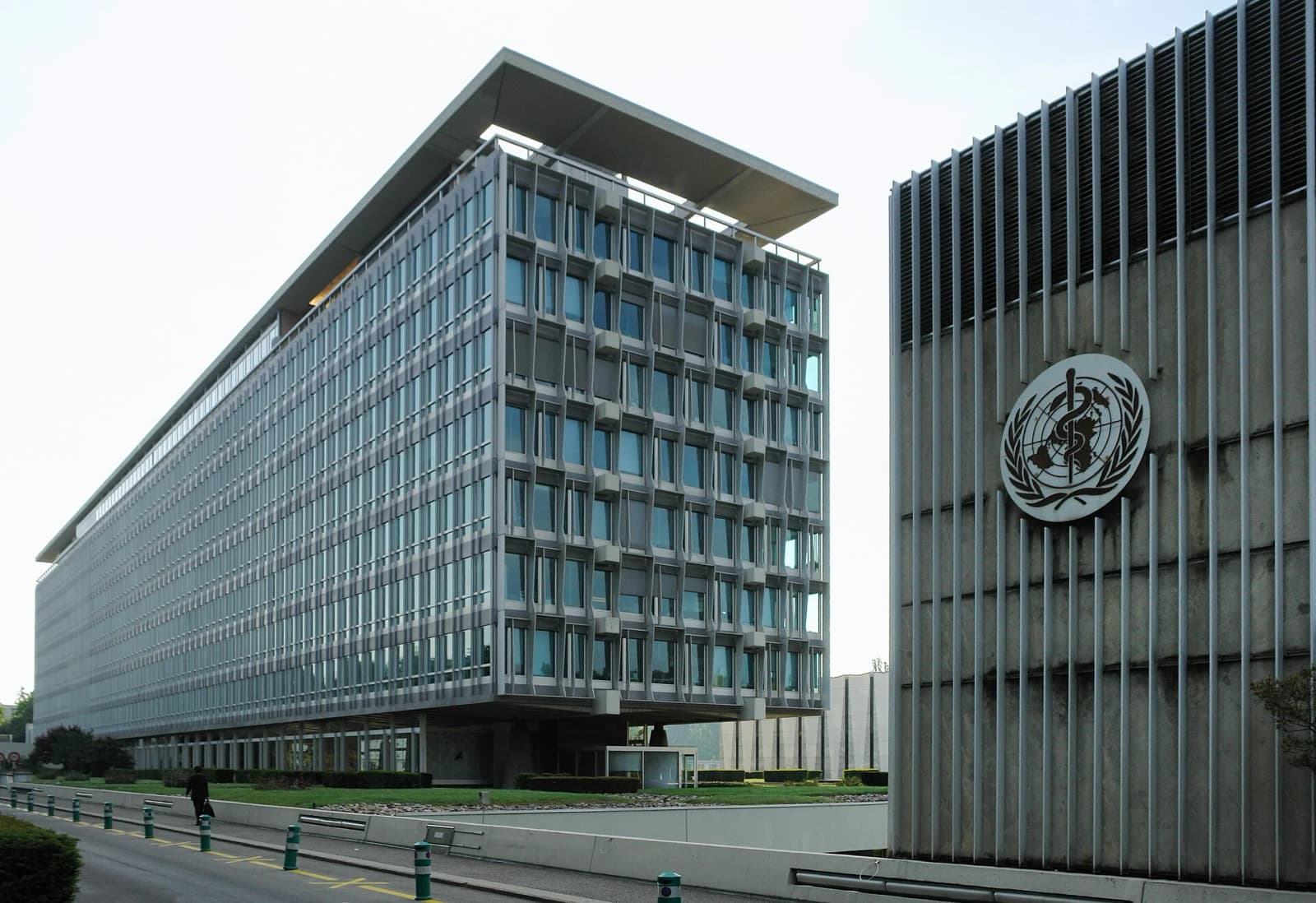
Four of the seven people bidding to succeed Dr Tedros Adhanom Ghebreyesus as Director-General of the World Health Organization (WHO) were questioned by member states in Geneva, Switzerland, on 18 November 2026, at the first official candidates' forum of the 2027 election. The remaining three face delegations on 19 November.
According to the WHO schedule for the forum, Wednesday's sessions featured Dr Hanan Mohammed Al-Kuwari and Dr Hans Henri P. Kluge in the morning, followed by Dr Gevorg Tamamyan and Dr Li Song in the afternoon. Thursday is set aside for Budi Gunadi Sadikin, Dr María P. Neira and Dr Hanan Balkhy.
Who are the candidates?
The field is broad. Health Policy Watch, which reported from the hearing, described Al-Kuwari as a former health minister of Qatar; Kluge as Belgium's nominee and WHO's director for Europe; Song as a maternal health specialist nominated by China; and Tamamyan as an Armenian paediatric oncologist put forward by Botswana. Balkhy is Saudi Arabia's candidate, Neira is Spain's and Sadikin is Indonesia's.
How does the forum work?
Each candidate gets a short opening statement and then faces rapid-fire questions from governments. Health Policy Watch reported that opening statements were limited to 10 minutes with no electronic presentations, that countries asking questions were picked by drawing lots from regional ballot boxes, and that each question was capped at 60 seconds, with three minutes allowed for an answer. Across Wednesday's four sessions, the candidates fielded 63 questions in total, the outlet said.
What did the candidates say?
Funding pressure dominated. Kluge argued that promising to do "more with less" carries "no credibility", and took aim at drug makers. "It cannot be that pharmaceutical interests decide on who gets medicines or not," he said, according to the report.
Al-Kuwari pitched herself as an operational reformer who would refocus WHO on its standard-setting role and separate technical work from fundraising. "I would like the department heads, project leads, directors not to worry about the financial situation and to leave that to a team of experts," she said.
Tamamyan presented himself as an outsider. "I have had to make health systems deliver where failure has consequences for actual patients," he said. Health Policy Watch reported that he pledged to leave after a single five-year term if an independent review found he had met less than 80% of his targets.
Song argued for more representation of scientists from Africa, small island states and the wider Global South on WHO's expert advisory groups, and backed voluntary licensing through the Medicines Patent Pool to support local production of medical products.
According to the report, delegations from donor countries focused on fiscal discipline and cutting overlapping programmes, while many African, Latin American and Asian delegations asked about health workforce retention, technology transfer and local manufacturing. None of the four named specific programmes they would end.
Why does this race matter?
The next Director-General will take over an agency that, as Health Policy Watch noted, is contending with funding shortfalls and conflicting demands from its members. Rich contributors want a leaner organisation, while poorer countries want more support on the ground. The choice will shape how WHO sets health standards and responds to outbreaks worldwide.
What happens next?
The election moves to the WHO Executive Board early next year. The WHO election page says the Board will nominate up to three candidates at its 160th session in 2027, and the World Health Assembly will appoint the new Director-General in May 2027. Dr Tedros's current term ends on 15 August 2027. A second candidates' forum is scheduled for 15 March 2027.
Photo source · Yann Forget, CC BY-SA 3.0