North American cranberry growers are facing escalating climate threats as warmer winters, extreme summer heat, and wet harvest storms disrupt seasonal growing cycles, prompting agricultural researchers to turn to drone sensors and artificial intelligence to breed hardier berry varieties.
Why Warm February Days Hurt Cranberry Vines
Analysis published in late November 2026 by Climate Central alongside researchers at the University of Wisconsin-Madison shows that leading cranberry-producing states now experience an average of 14 more winter days above freezing than in 1970. In Wisconsin—which supplies more than 60 percent of all US cranberries—mild spells in February and March increasingly melt the protective ice sheet farmers rely on to shield dormant vines.
Once the ice retreats, bare cranberry plants lose dormancy early and suffer severe bud damage when sharp late-winter freezes strike again.
Heat Stress, Crop Rot and Breeding Solutions
- Summer scalding and fungi: Growers in Massachusetts and New Jersey report intense heatwaves literally cooking delicate fruit on the vine alongside warmer rains that accelerate fungal fruit rot.
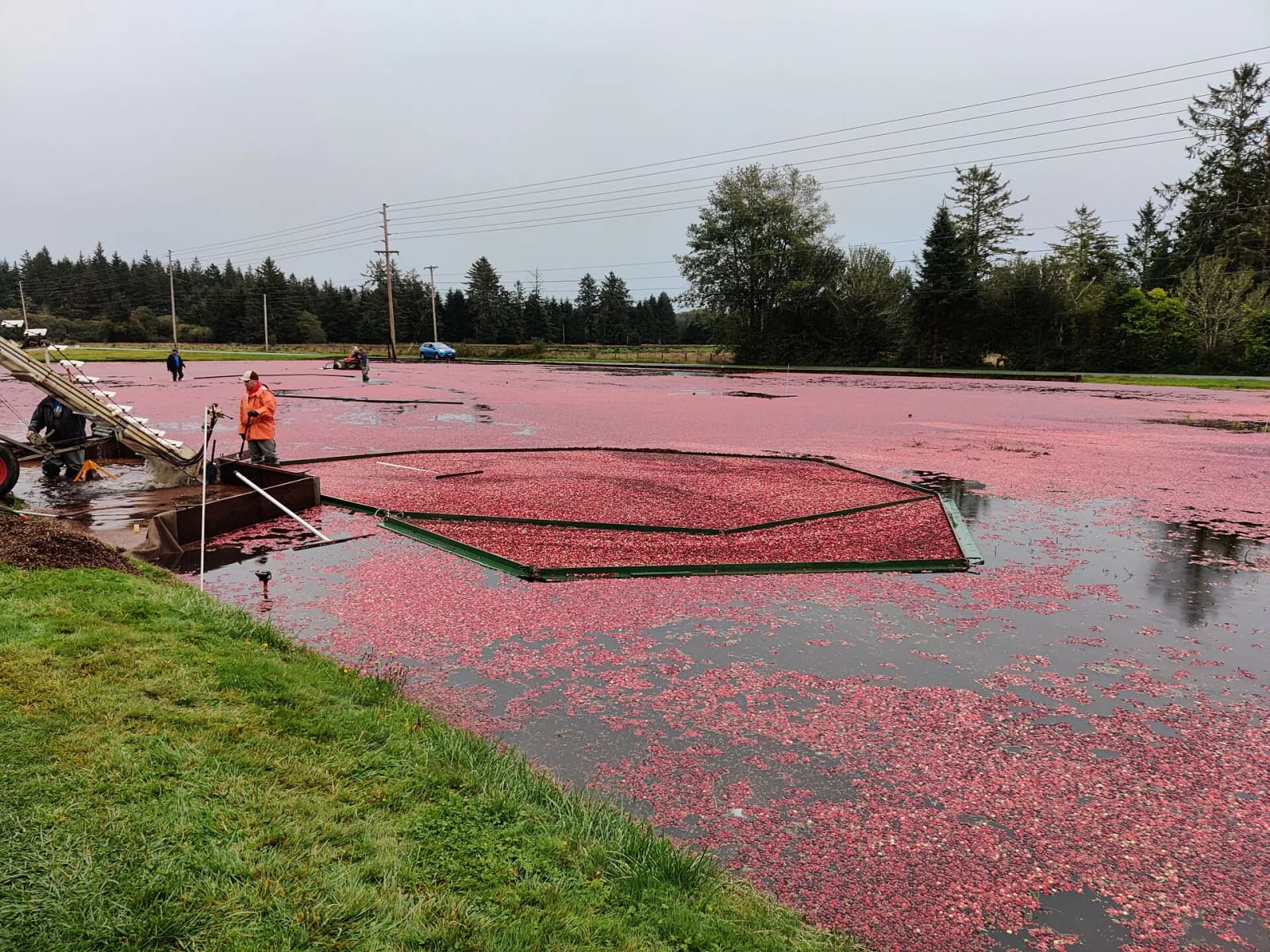
- Disrupted wet harvests: Growers such as Wisconsin farmer Nicole Hansen now wrestle with fluctuating autumn temperatures during flooded bog harvests and spring frost protection using overhead irrigation.
- High-tech resilience: University of Wisconsin-Madison fruit scientist Amaya Atucha leads trials scanning test plots with drones and AI models to identify heat-tolerant, rot-resistant hybrids tailored for warmer winters.
Safeguarding a Staple Crop
Scientists stress that combining resilient new cultivars with smarter water and soil management will determine whether family cranberry marshes can adapt quickly enough to stabilize future autumn supplies.