The Centre will take up more than 300 projects for tribal communities and launch two national digital platforms on Janjatiya Gaurav Diwas on 15 November, the government said on Saturday. It also said that its forest-produce livelihood mission has so far sanctioned 4,172 Van Dhan Vikas Kendras covering 12.48 lakh tribal members.
The details came in a backgrounder from the Press Information Bureau on the Pradhan Mantri Janjatiya Vikas Mission (PMJVM), released on 14 November, the day before the birth anniversary of Bhagwan Birsa Munda.
What is planned for 15 November
The Ministry of Tribal Affairs has been observing Janjatiya Gaurav Pakhwada across the country from 1 to 15 November, a time-bound drive to push its main programmes to tribal families at the last mile. It ends with Janjatiya Gaurav Diwas, which the government designated in 2021.
According to the backgrounder, more than 300 projects across states will be taken up on the day, with 228 ready for inauguration and 74 for foundation stone laying. Two national digital initiatives, the Jan-HIT Portal and the National FRA Digital Platform, will be launched. Tribal Research Institutes have planned more than 160 activities in 19 states and Union Territories.
Why forest produce matters
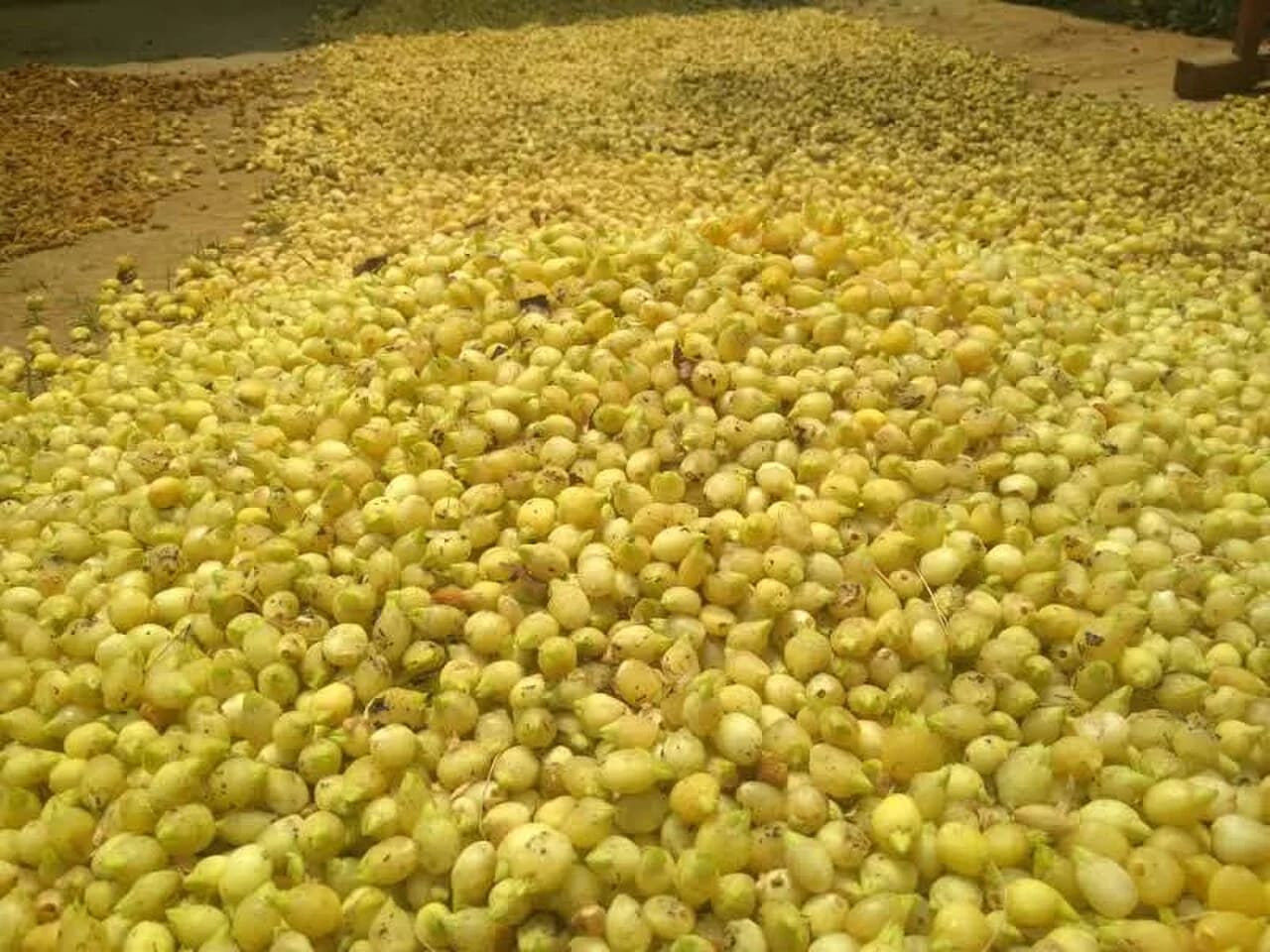
The government says many of India's 10.4 crore Scheduled Tribe people earn 20 to 40 per cent of their annual income from minor forest produce such as honey, tendu leaves, mahua flowers, tamarind, lac, bamboo and wild herbs. Because they often sell to middlemen at low prices, they receive only a fraction of its market value, the backgrounder said.
PMJVM, launched in 2021-22, aims to change that by training gatherers in better harvesting and processing, linking them to national and digital markets, and buying produce at a Minimum Support Price. Minimum Support Prices have been notified for 87 items. The Tribal Cooperative Marketing Development Federation of India (TRIFED) buys produce at that price regardless of market rates through state agencies, and states have procured 2,67,954 tonnes worth ₹693.98 crore since 2013-14.
How Van Dhan Kendras work
Under the mission, gatherers are organised into self-help groups, and about 15 such groups, roughly 300 people, form one Van Dhan Vikas Kendra. At least 60 per cent of members must be from Scheduled Tribes. The kendras get processing equipment such as dryers, cutting tools and packaging kits, training, working capital through banks and the National Scheduled Tribes Finance and Development Corporation, and rented storage and transport. They are set up near local haats, of which there are more than 5,000 in tribal areas.
As of 31 July 2026, 2,911 of the 4,172 sanctioned kendras were functional, with reported sales of about ₹168 crore, the government said. That means roughly 30 per cent of sanctioned kendras were not yet running.
The backgrounder highlighted a women-led kendra in Arunachal Pradesh's Leparada district, set up in October 2021 with 300 women members and farmers, which makes King Chilli and bamboo shoot pickles, turmeric and ginger powder, and fruit jams and squashes. It has sold products worth ₹11 lakh since 2022-23.
What to watch
The main test will be on 15 November, when the projects and the two digital platforms are formally launched. The gap between sanctioned and functional kendras is also likely to remain a key measure of whether the mission is reaching the forest gatherers it was built for.
PS · SMarndi, CC BY-SA 4.0