United States fighter jets struck a missile launch site belonging to Iran's Islamic Revolutionary Guard Corps (IRGC) on Qeshm Island in the Strait of Hormuz on Tuesday, 17 November, hours after the IRGC said it had sent drones at a US radar installation in Bahrain. Washington called the strike an act of "self-defense". Iranian officials said it caused no damage to homes, businesses or vital infrastructure. The exchange is the latest round in a conflict that has kept the world's most important oil chokepoint under strain for most of 2026.
This explainer builds on our earlier report: Kuwait says air defences engaging 'hostile' drones after US strikes hit Iran's Qeshm Island.
What happened on 17 November
According to CBS News, the IRGC said early on Tuesday that its drones had targeted "a radar system operated by US forces at the Sheikh Isa Air Base in Bahrain". It presented the attack as a response to what it called repeated violations of Iranian airspace by US military drones. Bahrain issued a shelter alert, and explosions were heard over the capital Manama, the broadcaster reported.
US Central Command (CENTCOM) rejected the IRGC's claim that the radar was hit, calling it "FALSE". It said the drones had been "intercepted without any damage to U.S. equipment or injury to American personnel". Bahrain also said its air defences had intercepted and destroyed the incoming attacks before they reached their targets, The National reported.
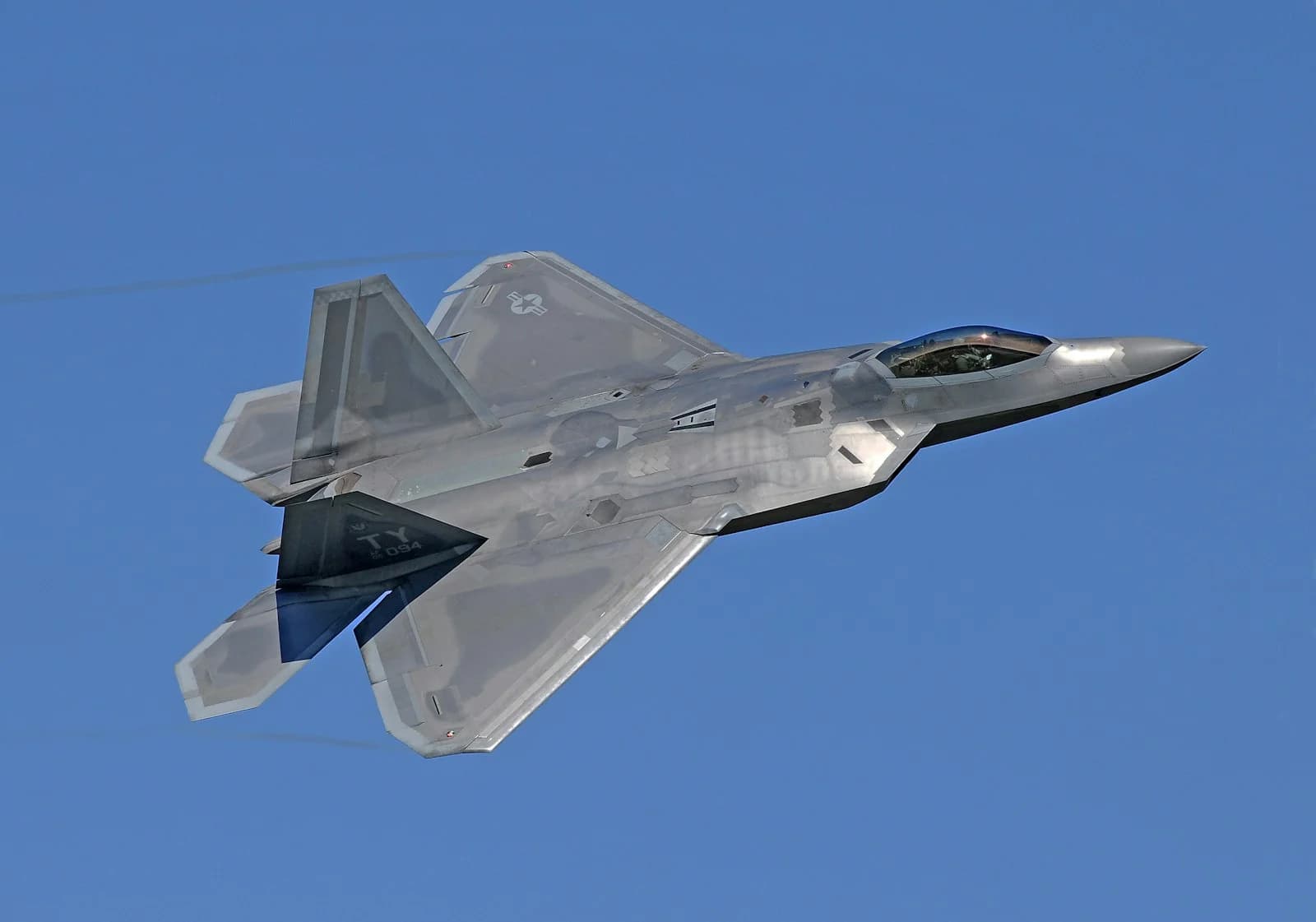
Later that day a US military official said American fighter aircraft had used precision munitions on an IRGC missile launch site on Qeshm. "The strike was in response to IRGC aggression targeting U.S. personnel and assets," the official said, as quoted by CBS News. The official told The National that "US Central Command remains highly vigilant and fully postured to protect Americans across the region".
Iranian media gave their own account. The state news agency IRNA reported five or six explosions on the island, and Fars reported blasts northwest of Qeshm city with smoke rising from the area, Israel's Ynet reported. Iranian media said an air-defence missile launcher in the Nariman area appeared to have been the target. Ahmad Nafisi, deputy governor of Hormozgan province, told IRNA that the attack "caused no damage to residential, commercial, or infrastructural areas". The semi-official Mehr news agency said several locations were hit but no one was killed or injured.
Not a one-off: the week before
A US military official told CBS News that Tuesday's drone attack was the third attempted Iranian strike on a US military installation in five days, and that all three were intercepted. The National described it as the third Iranian attack on Bahrain in less than a week. Iran made similar claims on Friday and Sunday; on Sunday the IRGC said six drones had targeted a radar at Al-Riffa, which Bahrain said it intercepted.
On Monday, Iran said it had brought down a US drone south of Qeshm using electronic warfare. That claim has not been independently verified, Ynet noted. Separately, late on Tuesday Kuwait's military said it was responding to "hostile drone attacks"; no one claimed responsibility, according to CBS News.
Qeshm itself has been hit before. On 2 November, US forces carried out what officials then called limited "defensive operations" against Iranian military targets on the island. The National reported that Washington had described those earlier attacks as meant to help tankers and other vessels pass through the strait safely.
Background: how the conflict got here
The current war began with US and Israeli strikes on Iran on 28 February 2026, CBS News reported. Large-scale exchanges of fire largely stopped over the summer, and the conflict has since settled into what the broadcaster describes as a stalemate, punctuated by smaller strikes like Tuesday's.
Two issues sit at the centre of the deadlock, according to The National: the US naval blockade of Iranian ports, which Tehran wants lifted, and Iran's nuclear programme. Iran's deputy foreign minister Kazem Gharibabadi has said Tehran will not allow inspections of its nuclear sites until "the war has permanently ended", CBS News reported.
The Strait of Hormuz is the other flashpoint. On Tuesday Iran's navy declared that "the Strait of Hormuz is closed" and claimed that a third tanker had struck a mine. The United States says the southern shipping lanes have been cleared of mines.
The diplomatic track
Talks have not collapsed. Iranian foreign minister Abbas Araghchi said on 16 November that a bloc of 10 regional countries supported Iran's offer to reopen the strait within two days if Washington accepts Tehran's "seven core conditions". The Trump administration has called those demands "unacceptable", CBS News reported. Pakistan, Qatar and Turkey have acted as mediators for months, and Araghchi met Pakistan's army chief in Islamabad on Monday before travelling to Oman on Tuesday for talks on maritime security.
Qatar's foreign ministry spokesman Majed Al Ansari said mediation was continuing but warned that escalation posed an "extremely grave danger" to reaching a deal. In Washington, US Vice President JD Vance told Fox News: "we are not going to allow this to become a 10- or 15-year commitment."
The strike also came amid a separate row over a CNN report about possible Iranian plans to attack Washington with a radioactive "dirty bomb". President Donald Trump said the US was investigating the report and was taking it "very seriously", while the White House said there were no credible threats to the US homeland. Araghchi dismissed the reports as "RUBBISH" and blamed Israel.
Why it matters for India
For Indian readers the most direct effect is on fuel. Brent crude was trading at about $95 a barrel on 16 November, compared with roughly $72 in late February before the war began, CBS News reported, leaving prices around 40% higher than pre-war levels.
India has tried to reduce its exposure to the strait. At an inter-ministerial briefing in New Delhi on 11 March, the petroleum ministry said about 70% of India's crude imports were then coming from routes outside the Strait of Hormuz and that crude was being sourced from 40 countries, All India Radio reported. At the same briefing, officials said 28 Indian-flagged ships with 778 Indian seafarers were operating in the Persian Gulf. More recent official figures were not available at the time of writing.
No new advisory from Indian missions in Bahrain or Kuwait, where Tuesday's drone alerts were reported, could be found at the time of writing.
What is established and what is not
Established (both sides agree):
- The IRGC launched drones toward a US-operated installation at Sheikh Isa Air Base in Bahrain on 17 November.
- US aircraft carried out a strike on Qeshm Island the same day, and explosions were reported there.
- The US also struck targets on Qeshm earlier this month, on 2 November.
Uncertain or disputed:
- Whether the Bahrain radar was hit: the IRGC says it was; CENTCOM calls this false and says all drones were intercepted.
- What was hit on Qeshm: the US says a missile launch site; Iranian media point to an air-defence launcher in Nariman, and Iranian officials say there was no significant damage. The extent of damage is not independently confirmed.
- Whether the strait is "closed": Iran's navy says so; the US says southern lanes are de-mined.
- Iran's claim to have downed a US drone on Monday, and the CNN report on a "dirty bomb" plot, remain unverified.
What happens next
US officials have characterised such strikes as defensive rather than a major escalation. The key things to watch are whether Iran launches further drones at Gulf bases, whether Qatari, Pakistani and Omani mediation produces movement on the blockade and the strait, and how oil markets react. Any sustained disruption in Hormuz would matter directly for India's energy costs.