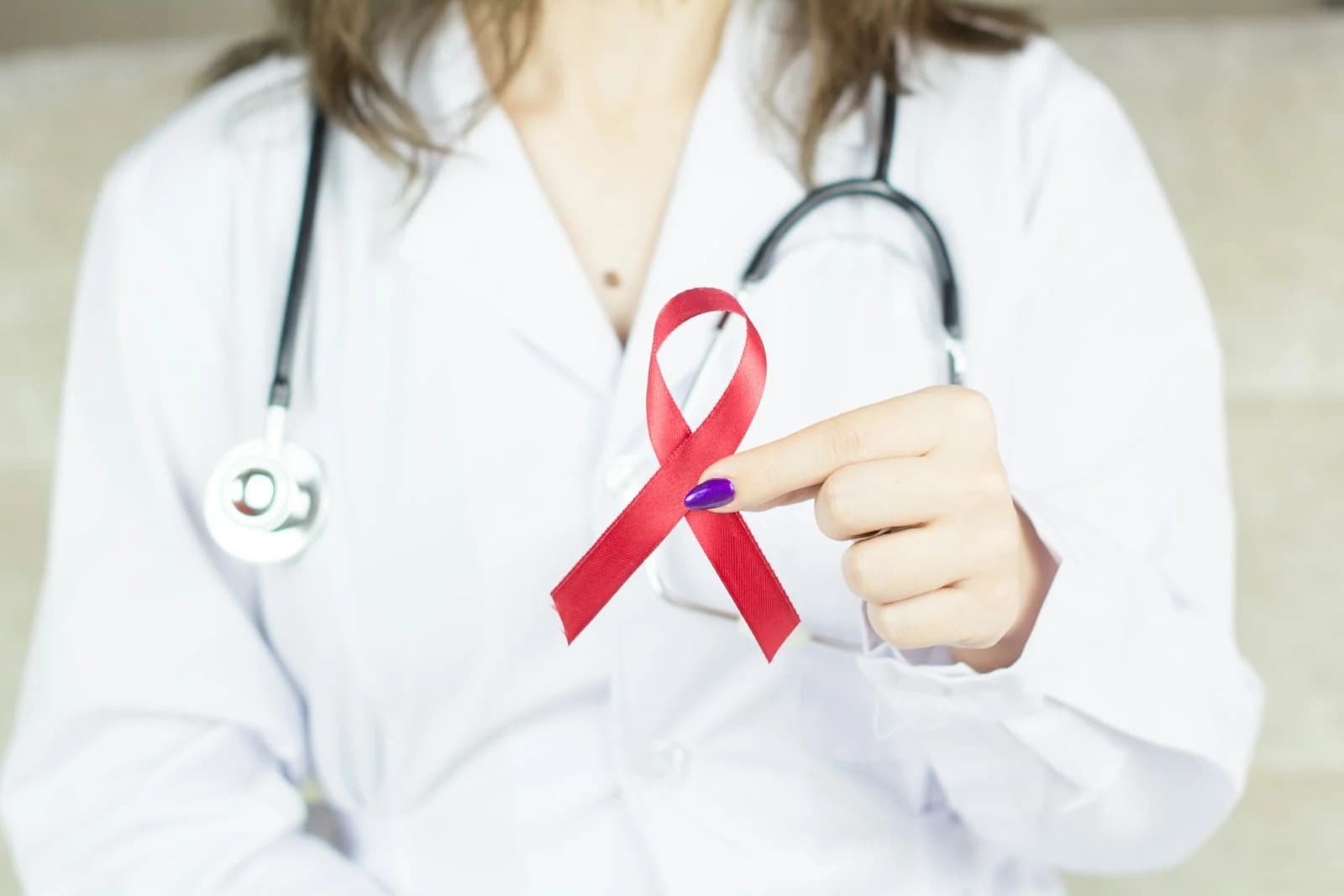
The Joint United Nations Programme on HIV/AIDS (UNAIDS) has made access the theme of World AIDS Day 2026, which falls on Tuesday, 1 December, under the campaign title "Ending AIDS starts with access". Its World AIDS Day report, released on 24 November 2026, says science has delivered the tools to end AIDS as a public health threat by 2030, but warns that falling funding, punitive laws and stigma are keeping millions of people from treatment and prevention.
What is the World AIDS Day 2026 theme?
The theme is access: access to services, rights, resources and political leadership, according to the UNAIDS World AIDS Day 2026 page. "Without access, the world will not end AIDS," the agency says, adding that "the gap is no longer what medicine can do". UNAIDS Executive Director Winnie Byanyima put it this way: "The science has done its part. The system must now do ours."
This year's observance also marks 30 years of UNAIDS, the agency noted in its media advisory announcing the report.
Where does the global HIV response stand?
The figures show both progress and a widening gap. According to the UNAIDS global fact sheet, 32.1 million people were receiving antiretroviral therapy at the end of December 2025, out of an estimated 41 million people living with HIV. Yet in 2025 alone, 1.2 million people newly acquired HIV and 570,000 died of AIDS-related causes.
- New infections have fallen 42% and AIDS-related deaths 57% since 2010, UNAIDS says.
- Nearly 9 million people living with HIV lacked access to treatment, and 10.6 million had unsuppressed viral loads in 2025.
- Only 55% of children living with HIV were on treatment.
- The world recorded 1 million more new infections and 400,000 more AIDS-related deaths in 2025 than it would have if it were on track for the 2030 targets.
Why does access matter so much now?
UNAIDS links the gap mainly to money and policy. External HIV financing fell by 18% in 2025, the report says, although domestic funding rose and more than 55 countries committed to increase their contributions. HIV testing dropped by 22% in high-burden countries supported by one major bilateral programme, and a survey of 79 community-led organisations in 47 countries found a 50% fall in delivery of pre-exposure prophylaxis (PrEP) in 2026.
Laws and attitudes are another barrier. UNAIDS reports that 50% of adults across 36 countries hold discriminatory attitudes towards people living with HIV, and that in 2026 sex work was criminalised in 168 countries, drug possession in 152 and same-sex sexual acts in 66. Only 7 of 193 countries criminalise none of the three.
What new tools are available?
The agency points to long-acting prevention as a turning point. By the end of June 2026, more than 50,000 people in nine sub-Saharan African countries had received lenacapavir, an injectable option needed only twice a year, and its price for lower-income countries is set to fall to US$40 per person per year from 2027, UNAIDS says.
What happens next?
United Nations Member States adopted a new Political Declaration on HIV and AIDS in June 2026. Its 2030 commitments include 40 million people on treatment, 20 million people using antiretroviral-based prevention and annual funding of US$21.9 billion, compared with US$17.6 billion in 2025. UNAIDS estimates that meeting these goals could avert 3.2 million new infections and 1.3 million AIDS-related deaths by 2030.