At least 2,230 civilians were killed in Sudan's war between January and the end of October 2026, and more than 1,630 of them died in drone strikes, the UN Human Rights Office said in a report released on 17 November. The office stressed that these are only the deaths it was able to confirm, and that the real toll is likely to be higher.
UN High Commissioner for Human Rights Volker Türk said "the facts speak for themselves" and warned that such violations may amount to war crimes.
Drones now the main killer
The report covers fighting between the Sudanese Armed Forces (SAF), the Rapid Support Forces (RSF) and allied armed movements. In the first six months of the year, at least 1,390 civilians were killed, and drone strikes caused more than 80 per cent of those deaths, the office said.
From July to October, a further 840 civilians were killed, about 520 of them in drone attacks, according to Dabanga, a Sudanese news outlet that reported on the findings.
The Kordofan region accounted for more than two-thirds of the documented civilian casualties, with Darfur recording most of the rest. In White Nile state, at least 41 civilians were killed by drones during the period covered.
Markets, hospitals and fuel depots hit
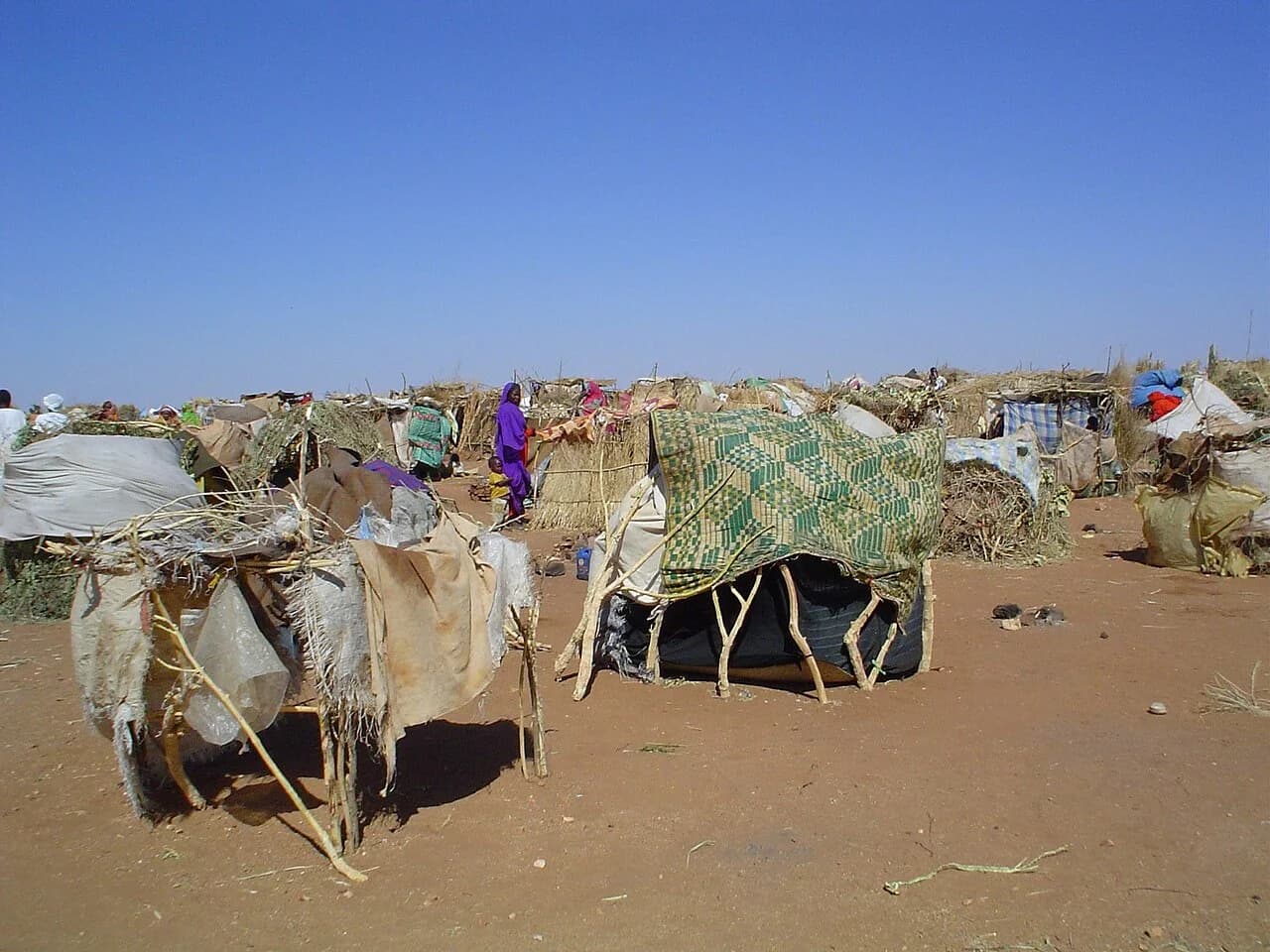
The UN office said it recorded at least 39 drone strikes on markets in the first half of 2026, as well as 20 on civilian vehicles, 17 on fuel tankers and depots, and 16 on health facilities. Schools, water sources and sites housing displaced people were also struck, some of them more than once, Dabanga reported.
The report also points to a recent wave of attacks on infrastructure. Between 20 October and 4 November, 29 drone strikes attributed to the RSF hit electricity and fuel facilities across 11 states. The resulting power cuts and fuel shortages affected millions of people far from the front lines and disrupted hospital services such as kidney dialysis and surgery, as well as access to clean water and food production.
Hunger and wider abuses
Attacks on markets, together with looting and restrictions on movement, have badly disrupted access to food, the report said. In October, the Integrated Food Security Phase Classification (IPC) warned that conflict, displacement and drought were raising the risk of famine in parts of Darfur and Kordofan.
Beyond drone warfare, the office documented indiscriminate attacks, reprisals against people accused of "collaborating" with the other side, the continued use of sexual violence as a weapon of war, unlawful killings, arbitrary detention and a shrinking space for civil society.
A deadly autumn
The report follows earlier UN warnings. On 23 October, Türk said drone strikes had killed at least 306 people across Sudan in the first three weeks of that month alone.
What the UN is asking for
"The world is watching," Türk said, according to Radio Dabanga. The office stressed that its figures cover only verified cases and that the true toll is likely to be much higher.