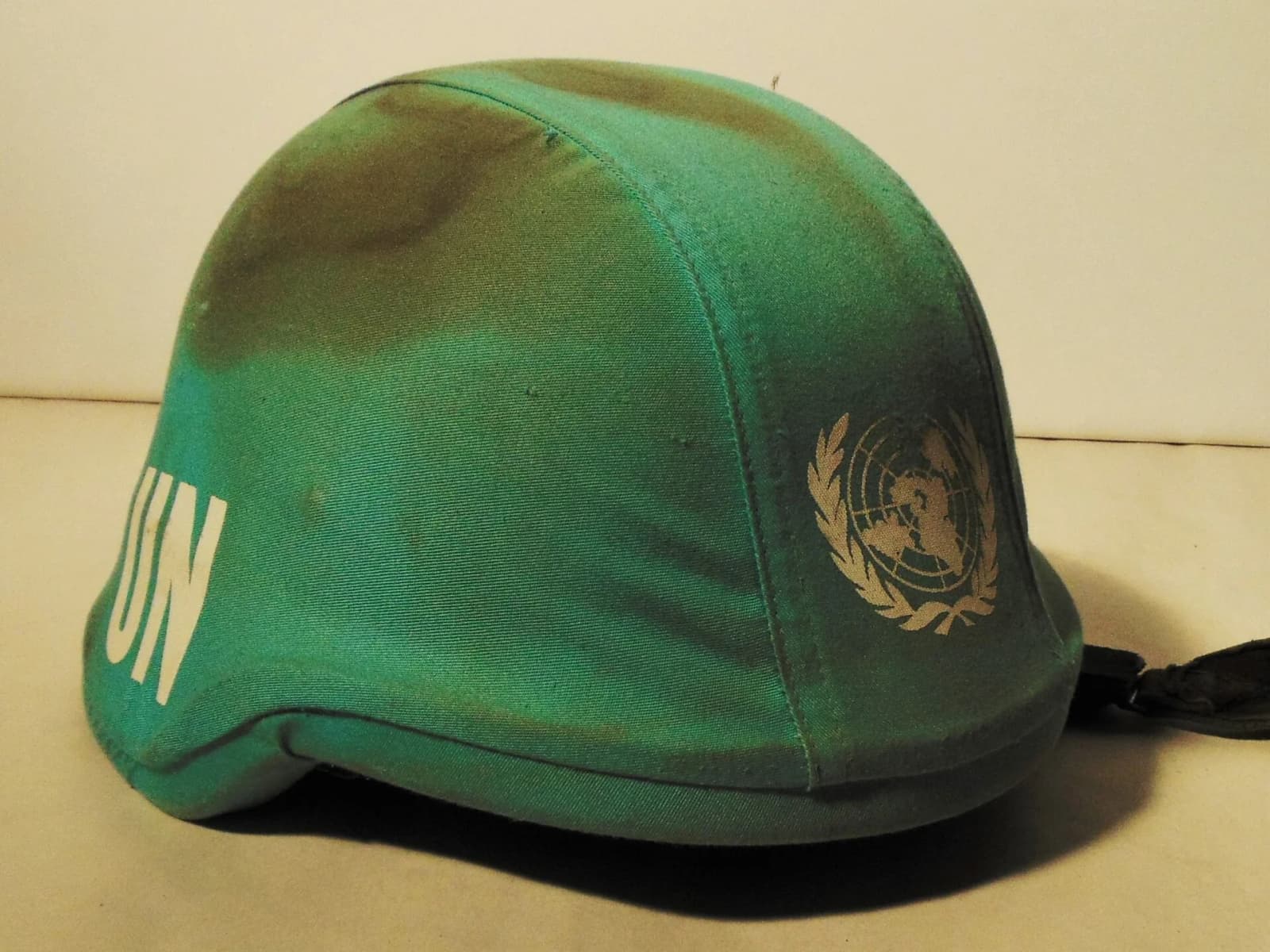
The United Nations said on 19 November 2026 in New York that it is adding new accountability measures for paternity and child support claims against peacekeepers, as about 500 such claims involving its peace operations remain unresolved.
Catherine Pollard, the UN Under-Secretary-General for Management Strategy, Policy and Compliance, announced that the organisation's Public Paternity Dashboard will now show more clearly the status of each claim and which Member States are cooperating to settle them, according to UN News.
How many claims are pending?
About 500 claims remain unresolved, including roughly 400 in which paternity has still not been established. According to the UN, it has received up to 800 paternity and/or child support claims involving personnel of its peace operations since 2006, most of them uniformed personnel.
The claims arise from sexual exploitation and abuse in peace operations. Pollard described them as among its most serious consequences, affecting both the victims and the children left behind.
What is changing in the dashboard?
The dashboard will now identify where Member States are working with the UN to resolve claims and where they are not. The dashboard was launched in late 2024 and already shows each claim's nationality, how long it has been pending and its status, Pollard said in remarks distributed by the UN's UNifeed service. UN News reported that these assessments may inform future deployment decisions.
The UN Secretariat has also set up a dedicated high-level task force on paternity to work with Member States on resolving claims and to make the process more uniform, building on approaches that have worked in individual cases.
Why are claims taking so long?
Pollard said the fathers often leave the mission, sometimes before the child is born, and usually pay child support only when they are compelled to. She called it "an unjust situation" and said the UN could change it only together with Member States.
She said some claims had been proven through DNA testing or other evidence, yet mothers and children had gone without support "for years and years", which she said was unacceptable to peacekeeping staff and to the Secretary-General.
What do countries need to do?
The first step in every referred case is to establish whether the accused peacekeeper is the father, normally through a DNA test. Pollard urged Member States to apply their national processes effectively and said governments may need to use their own laws to compel accused personnel to take these tests.
Why it matters
Most of the claims involve uniformed personnel, and establishing paternity depends on national processes, so the UN relies on governments to act on cases against their own personnel. By naming which countries are cooperating, the UN is adding public pressure on troop- and police-contributing countries to act on long-pending claims.
Farhan Haq, Deputy Spokesperson for the Secretary-General, also briefed journalists in New York on the measures, UN News said.
Photo source · RenseNBM, CC BY-SA 4.0