The United Kingdom government on November 26, 2026, published the full legal texts of its landmark post-Brexit reset treaties with the European Union and introduced the EU Partnership Bill in Parliament, confirming a binding 10-year termination clause that would require any exiting side to fund border-check rebuilding costs.
10-Year Exit Clause and Legal Protections
Prime Minister Andy Burnham's administration tabled the legislation — informally dubbed the "Cutting Costs Bill" — six days after signing the agreements at a Brussels summit on November 20. Under the reciprocal clause, if either the UK or the EU walks away within the first decade, the departing party must pay "reasonable and proportionate costs" to re-establish customs and border inspection infrastructure, with disputes referred to an arbitration tribunal.
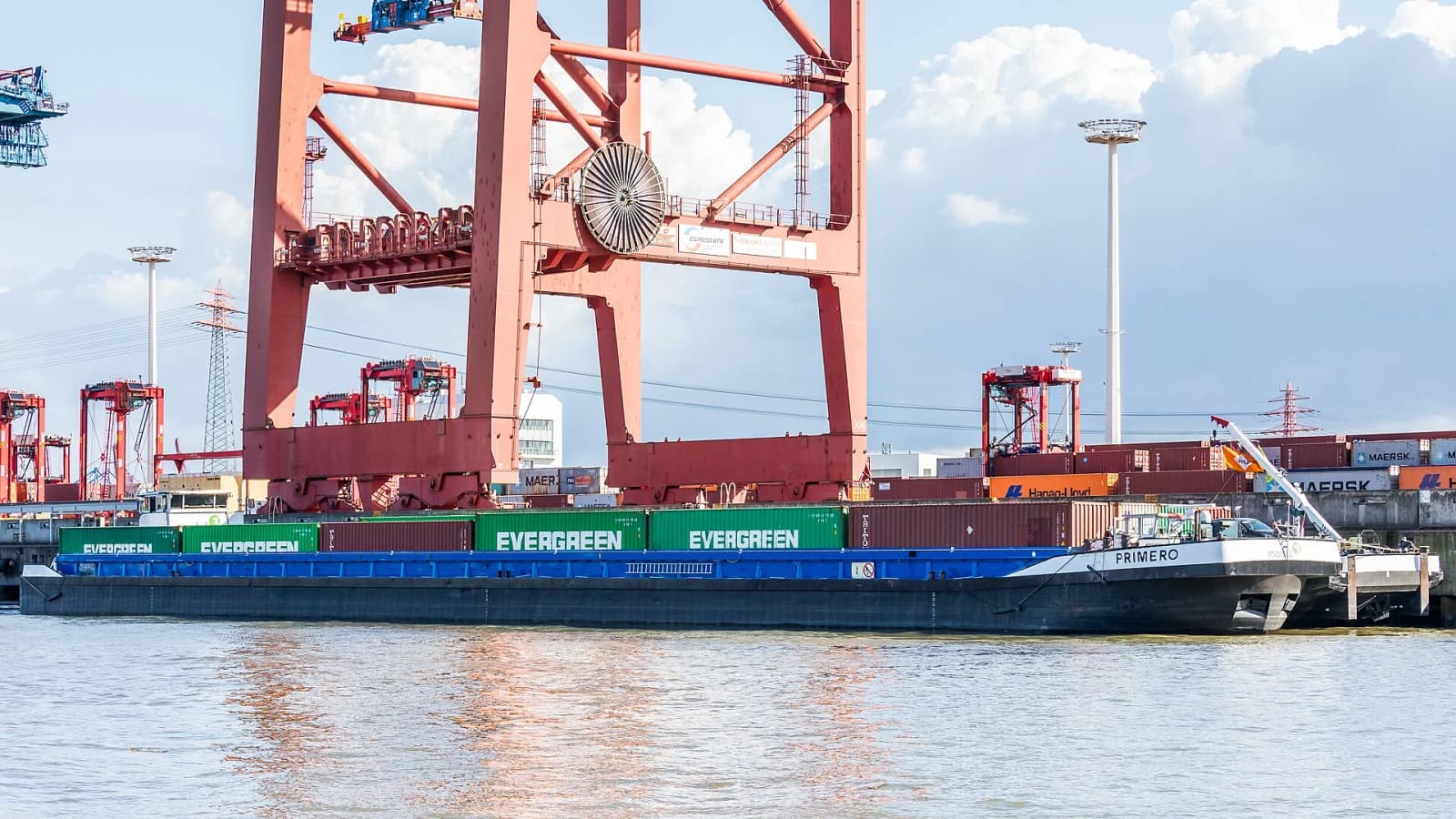
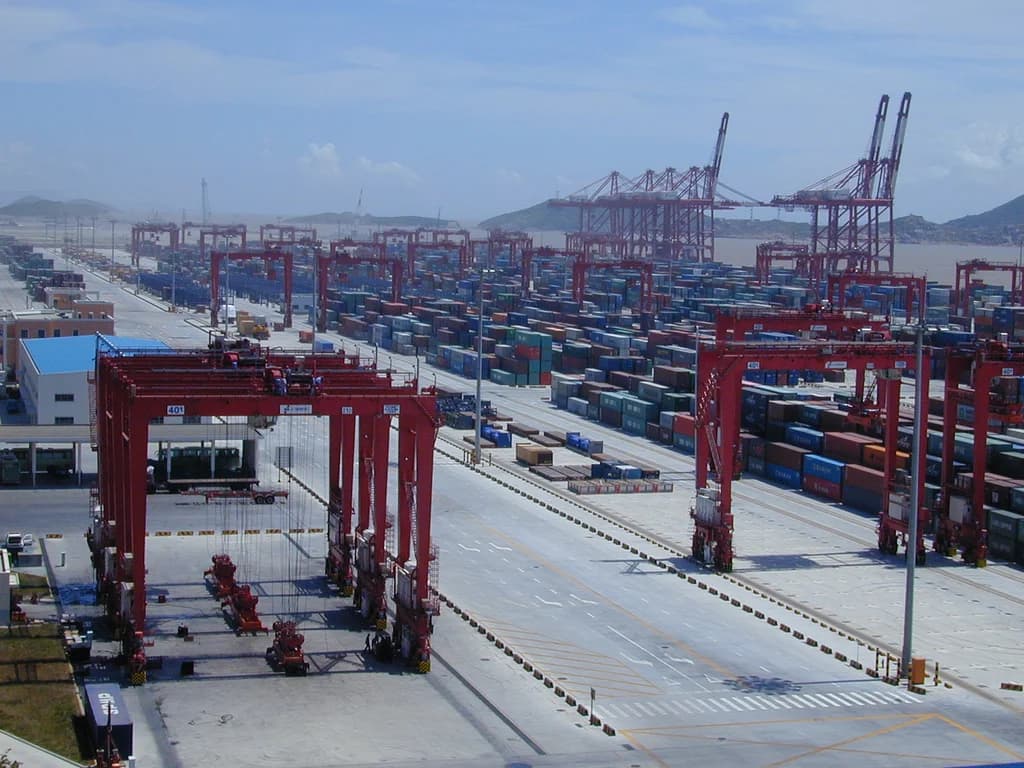
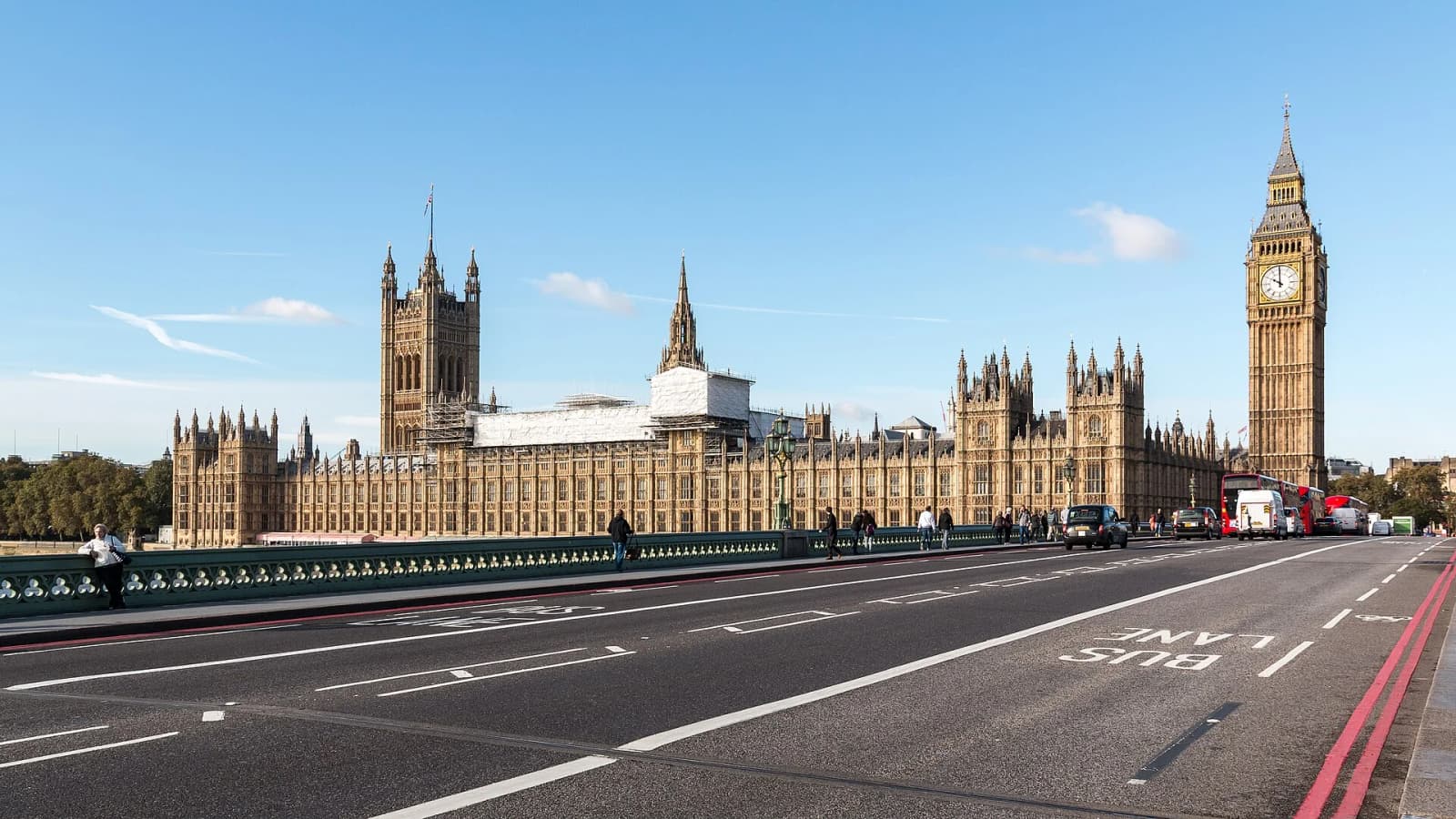
Ministers said the clause locks in long-term regulatory certainty for businesses and ports while Parliamentary scrutiny begins with a House of Commons debate scheduled for December 7.
Economic Gains, Energy Link, and Youth Mobility
At the core of the reset is a sanitary and phytosanitary (SPS) agrifood agreement aligning UK food and plant standards with EU rules, which London projects will add £5.1 billion ($6.7 billion) annually to the British economy from 2028 by removing border red tape. An emissions trading system (ETS) linkage is expected to shield £6.5 billion ($8.1 billion) in annual UK industrial exports from European carbon border tariffs.
The treaties also establish a reciprocal youth mobility scheme capped at 100,000 participants for young Britons and Europeans, while negotiators have six months remaining to resolve tuition fee rules for European students at British universities.
Opposition Pushback Ahead of Commons Debate
Conservative Party leader Kemi Badenoch and Reform UK leader Nigel Farage criticised dynamic rule alignment as reversing Brexit and pledged to repeal the agreements if elected. European Affairs Minister Hamish Falconer defended the pact, stating it cuts costs for households and secures stable trade with Britain's largest market.