Inflation in the United Kingdom edged up again in October, driven by a sharp jump in petrol and diesel prices, according to figures published by the Office for National Statistics (ONS) on Wednesday, 18 November.
The Consumer Prices Index (CPI) rose 3.6% in the 12 months to October 2026, up from 3.5% in September, the ONS said. The broader CPIH measure, which includes owner occupiers' housing costs and council tax, climbed to 3.7% from 3.6%. On a monthly basis, both CPI and CPIH rose 0.5%, compared with a 0.4% increase in October 2025.
Fuel is the main culprit
The statistics office said transport, and motor fuels in particular, made the largest upward contribution to the change in the annual rate.
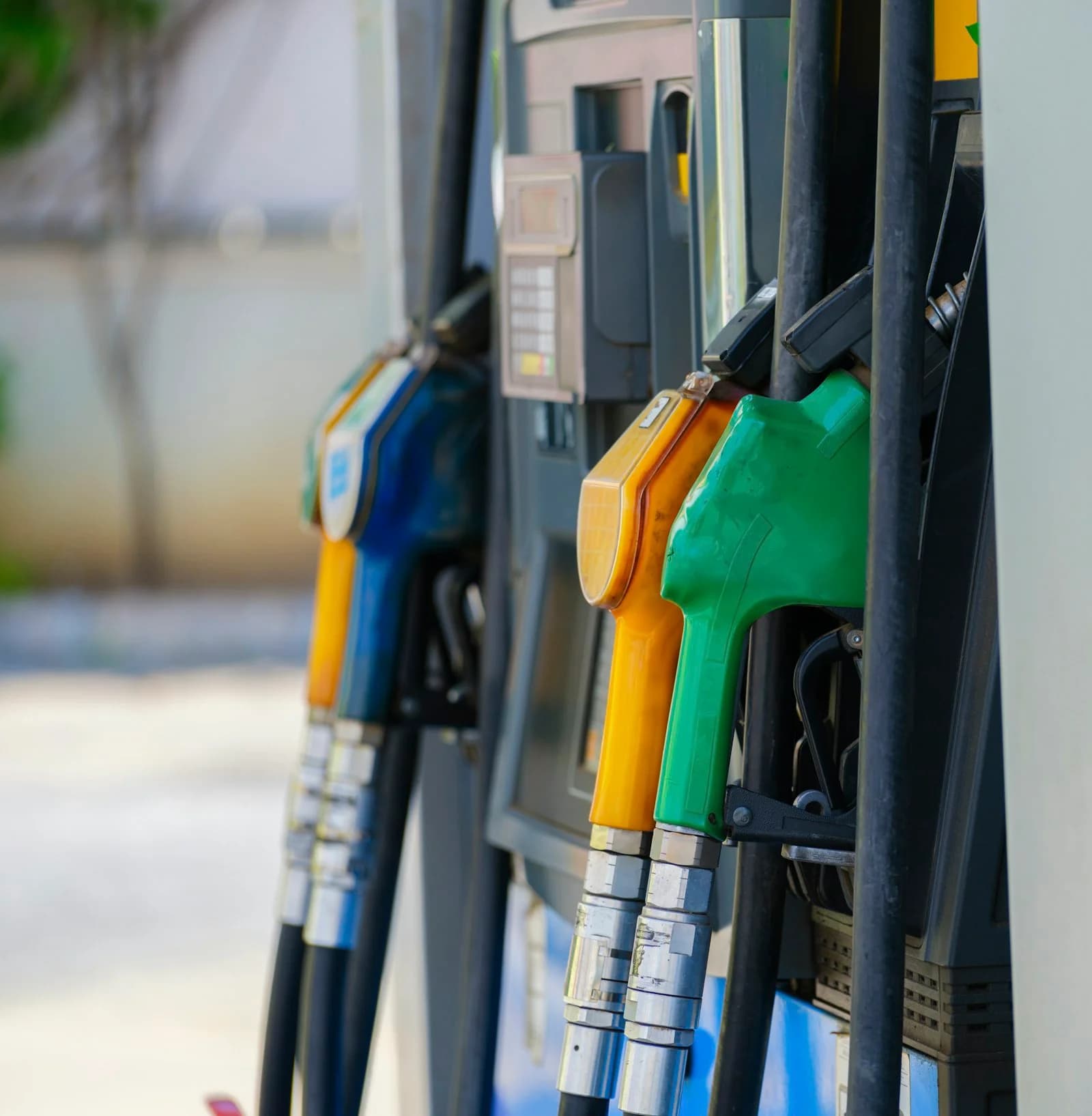
Average petrol prices rose by 5.2 pence a litre between September and October to 174.7p, the highest level since August 2022, the ONS said. A year earlier the monthly rise had been just 0.7p. Diesel climbed 7.0p a litre to an average of 199.5p, which the ONS described as the highest price recorded since its records began in January 1996.
Taken together, motor fuel prices were 33.2% higher than a year earlier, up from 29.8% in September and the steepest annual increase since July 2022. Transport contributed 1.06 percentage points to the overall CPI rate, the data showed.
Food and hospitality offer some relief
Not every category moved higher. Annual inflation for food and non-alcoholic beverages slowed to 0.9% in October from 1.3% in September, its lowest since September 2021, when it stood at 0.8%. Food alone rose 0.8%, down from 1.2%.
Restaurants and hotels made the largest offsetting downward contribution. Prices in that category fell 0.4% during the month, bringing its annual rate down to 3.4% from 3.8%. Hotel prices dropped 3.8% on the month, while restaurant and cafe prices rose 0.3%.
Underlying pressure steady
The figures suggest that the latest rise is concentrated in energy rather than spread across the economy. Core CPI, which strips out energy, food, alcohol and tobacco, held at 2.8%, little changed from September. Core CPIH was 3.1%.
Goods inflation, however, picked up to 3.5% from 3.2%, while services inflation stayed at 3.7%, unchanged from September. The Retail Prices Index (RPI) rose 4.2% in the year to October.
Why it matters
The October figures show headline inflation moving further away from the 2.8% core rate, with the gap explained largely by what motorists are paying at the pump. In its release, the ONS did not give a reason for the surge in fuel prices.
The data are also a reminder of how quickly fuel costs can move headline inflation even when food prices are easing: in October, the food rate fell to its lowest in more than five years while the overall rate still rose.
What next
The ONS will publish its next consumer price inflation figures, covering November, on 16 December 2026.