Uganda's army will pull its troops out of Lubero, a town in North Kivu province in the eastern Democratic Republic of the Congo (DRC), and hand security there to Congolese forces, the Uganda Ministry of Defence and Veteran Affairs announced on Friday, 27 November 2026. The withdrawal "will start in the next two weeks", according to a statement signed by Colonel Chris Magezi, acting director of defence public information, as reported by Uganda's Daily Express and China's Xinhua news agency.
The announcement came days after Kinshasa summoned Uganda's top diplomat over social media posts by Uganda's army chief, General Muhoozi Kainerugaba, the son of President Yoweri Museveni.
Why is Uganda leaving Lubero?
Uganda has not officially given a reason, and its statement did not link the pullout to the diplomatic dispute, Xinhua reported. According to France 24, the Ugandan army spokesman said on X that militia forces, some apparently allied to the Congolese government, had stepped up attacks on civilians, citing massacres of women and children in Ituri and North Kivu. He said the Uganda People's Defence Forces (UPDF) still had a responsibility under international humanitarian law to protect vulnerable communities "whenever possible".
What triggered the row with Kinshasa?
On Monday, Muhoozi threatened on X to take control of Walikale, a strategic town in North Kivu, and in a separate post demanded the "unconditional surrender" of the airport in Isiro, capital of Haut-Uele province, France 24 reported. The DRC Ministry of Foreign Affairs summoned Uganda's head of mission in Kinshasa on Tuesday, calling the remarks "particularly serious" and saying the country "remains determined to ensure respect for its dignity and its institutions".
What will continue after the pullout?
The withdrawal covers only Lubero town. The statement does not end Operation Shujaa, the joint offensive by the UPDF and the Armed Forces of the DRC (FARDC) against the Allied Democratic Forces (ADF), and sets no timetable for other Ugandan positions, Daily Express reported. Other Ugandan contingents remain active in North Kivu and Ituri provinces.
The army gave no exact handover date and did not say how many soldiers would leave.
Background
Operation Shujaa was launched on 30 November 2021, after deadly attacks in Uganda that year, including suicide bombings in Kampala linked to the ADF, according to Daily Express. The ADF, an armed group of Ugandan origin, has pledged allegiance to the Islamic State and operates mainly in eastern DRC, Xinhua noted. Ugandan troops deployed to Lubero in January 2025 to pursue ADF fighters, and more than 1,000 additional Ugandan troops were sent south of Lubero in February 2025, according to a UN Group of Experts report cited by Xinhua.
In March 2026, Muhoozi wrote that Uganda was "ready to withdraw from all our positions from Lubero to Mahagi", but in April he told Lubero residents, "We shall not abandon them."
Eastern DRC remains volatile. France 24 reported that the Rwanda-backed group formerly known as M23, now called the FRN, launched an offensive towards Walikale at the start of November. On 26 November, UN News reported that UN peacekeepers were stepping up civilian protection amid fighting in Ituri.
What happens next
The withdrawal is due to begin within two weeks, with Congolese forces taking over security in Lubero. Details of the handover have not been released.
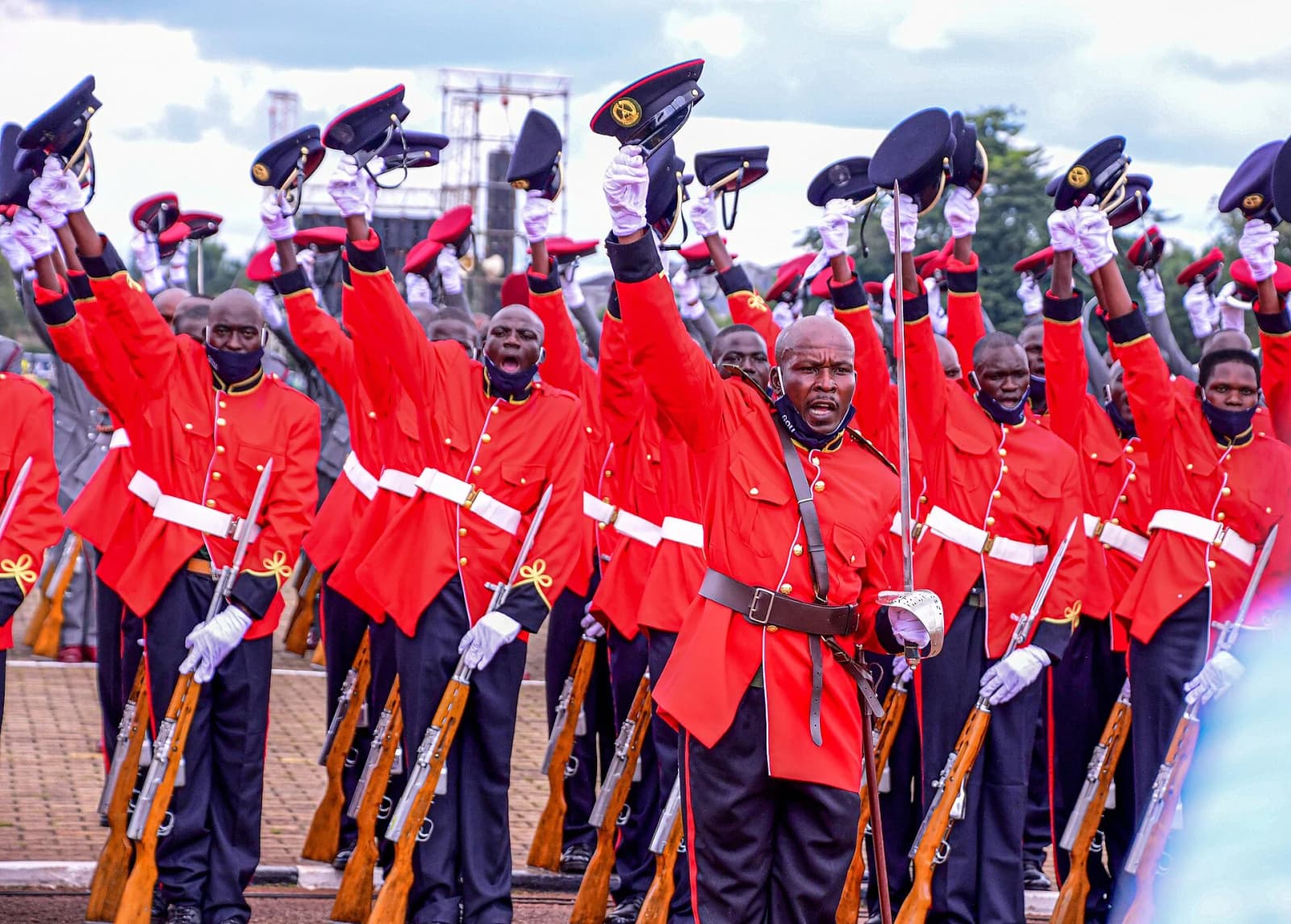
Photo source · Ssemmanda will, CC BY-SA 4.0