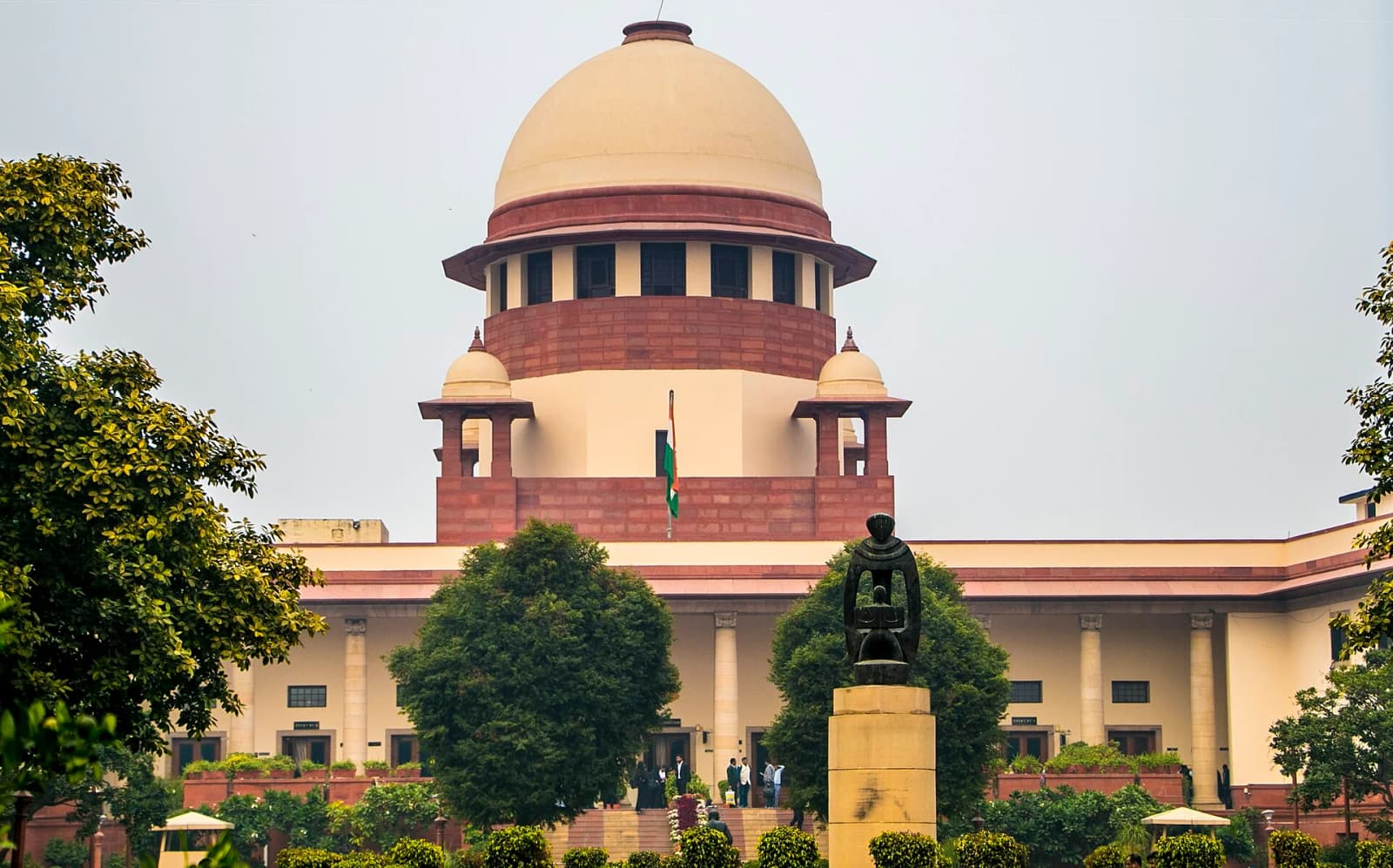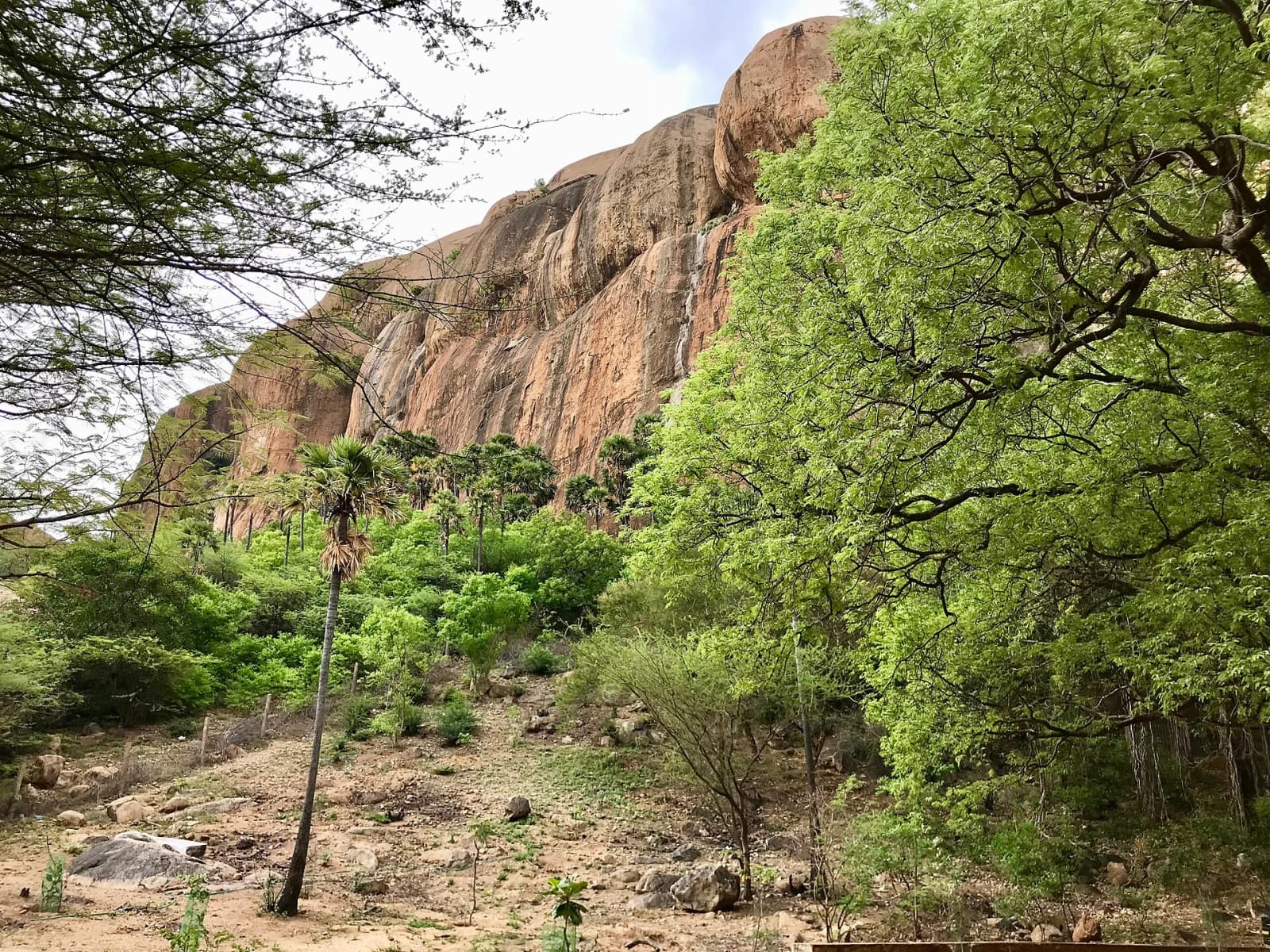
The Tamil Nadu government on Wednesday told the Supreme Court that a stone pillar on Thiruparankundram hill near Madurai is a survey pillar, not a traditional lamp column, and warned that letting a Madras High Court order stand could give a religious character to such pillars across the country. The hearing ended without an order and will continue on Thursday, LiveLaw reported, less than a week before the Karthigai Deepam festival on 24 November.
What is being challenged
A bench of Justice Aravind Kumar and Justice Vipul M. Pancholi is hearing the State's appeals, listed as The Commissioner v. Rama Ravikumar and connected cases. They challenge a January 2026 judgment of a Madras High Court division bench that upheld a December 2025 single-judge order.
That order directed the management of the Arulmigu Subramaniaswamy Temple to light the Karthigai Deepam on a stone pillar about 50 metres from the Sikandar Badhusha Dargah, on land the High Court held to be temple property. According to LiveLaw, the High Court had described the State's public-order concerns as an "imaginary ghost".
The State's case
Senior Advocate Gopal Sankaranarayanan, appearing for the State, argued that the pillar was built for another purpose and is not a deepathoon meant for the temple lamp. He said that if the order stood, "all these pillars will suddenly get their religious colours", LiveLaw reported.
He told the bench that attempts to light the lamp at other spots had been turned down at least three times earlier, that the status quo should continue, and that writ courts should not stretch their jurisdiction into questions of religious custom. He relied on photographs and a drone image to argue that the only traditional lighting site is the Uchi Pillaiyar temple's Deepa Mandapam.
On Tuesday, Senior Advocates Jaideep Gupta and Shekhar Naphade and Additional Advocate General PC Sen had argued for the State that there is no established custom of lighting the lamp at the hilltop pillar.
The dargah's objections
Senior Advocate Huzefa Ahmadi, for the dargah, said the single judge decided the matter without giving the dargah the time to reply that the High Court's rules require, and carried out a site visit without notice to it. He argued that the finding that the pillar stands on temple land would not have been made had the dargah been heard.
Ahmadi said the division bench had accepted that the dargah lacked an adequate opportunity but held the defect was cured on appeal. He also argued that a new custom has to be proved in a civil suit, not through a public interest petition.
Earlier in the Supreme Court
On 3 August, the same bench issued notice on the State's plea but declined to stay the High Court's directions, OneIndia reported at the time.
What next
Arguments resume on Thursday. The State has said that carrying out the High Court order before the 24 November festival risks law-and-order problems at a site with a history of communal tension.
PS · Ms Sarah Welch, CC BY-SA 4.0