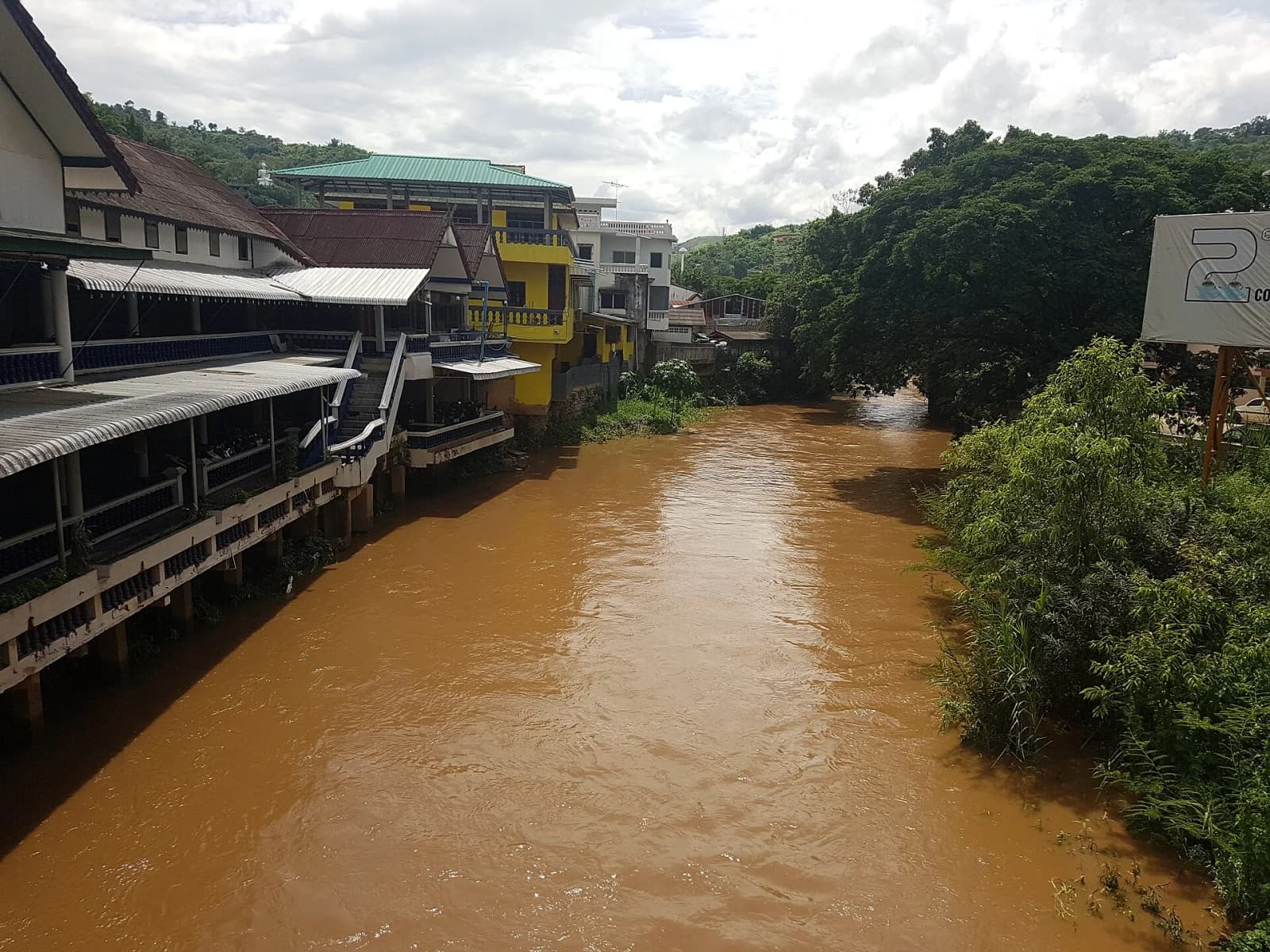
Thailand's Prime Minister Anutin Charnvirakul ordered government agencies late on 17 November 2026 to find alternative drinking-water sources and step up tap-water testing in Chiang Rai province, after arsenic was found at levels many times above safe limits in the Sai River on the Thailand–Myanmar border. Reports published on 18 November said more than 20,000 households in the northern province are affected, and Thai researchers have linked the contaminated sediment to mining across the border in Myanmar.
What did the Thai government order?
The Prime Minister's office told agencies to secure other water sources and closely monitor tap-water quality in Chiang Rai. Two trucks have been sent to deliver clean drinking water, and authorities are looking at drawing water from other rivers instead of the Sai. Deputy government spokeswoman Lalida Persvivatana relayed the instructions.
How bad is the contamination?
According to Al Jazeera's report on the government order, tap water from the local waterworks in Mae Sai district contained arsenic at 30 times the safe limit, and supplies to thousands of homes were suspended earlier this month. Untreated water from the Sai River, a tributary of the Mekong, showed arsenic at 25 times the drinking-water limit. Further downstream, in Nong Khai province on the border with Laos, arsenic was found in the urine of 17 out of 177 people tested in October.
Local reporting by Nation Thailand showed how the crisis built up. The Provincial Waterworks Authority cut supply to 60% on 5 November after detecting high contaminant levels in raw water, and turbidity reached 14,000 NTU, beyond what the Mae Sai treatment system can handle. Fourteen villages in Mae Sai and Wiang Phang Kham subdistricts that draw on the Sai were affected, and supply had recovered to about 80% by 9 November. Residents described cloudy, reddish tap water, and many switched to bottled water.
Who is being blamed?
Researchers at Naresuan University used chemical analysis and satellite modelling to trace the arsenic-laden sediment in the Sai River to gold mining across the border in Myanmar. Thai Foreign Minister Sihasak Phuangketkeow blamed "wastewater from mining", describing the increase as dramatic. He raised the matter with officials during a visit to Myanmar, and Thailand has also discussed it with Beijing, as researchers say many of the mines are run by Chinese operators.
Reporting has also linked a surge in rare earth mining in rebel-held parts of Myanmar, which feeds Chinese processing plants, to heavy-metal pollution in Thai waterways. Myanmar's civil war has allowed largely unregulated extraction in these border areas. Myanmar's authorities have not publicly responded to the latest Thai findings in the reports reviewed.
Why does it matter beyond Thailand?
Officials fear the pollution is moving downstream along the Mekong, which supports millions of people in several countries. The episode comes as Myanmar's relations with its neighbours are already strained; its military-led government said this week it would review its ties with ASEAN. For India, which shares a long border with Myanmar and is pursuing its own critical-minerals supply chains, the case shows the environmental cost of unregulated mining in the region.
What happens next?
The waterworks authority plans to switch Mae Sai to Mekong River water once a treatment plant in Chiang Saen is complete, then extend supply using the Lao River and, in the longer term, the Kham River. Testing of tap water in Chiang Rai will continue under the new order.