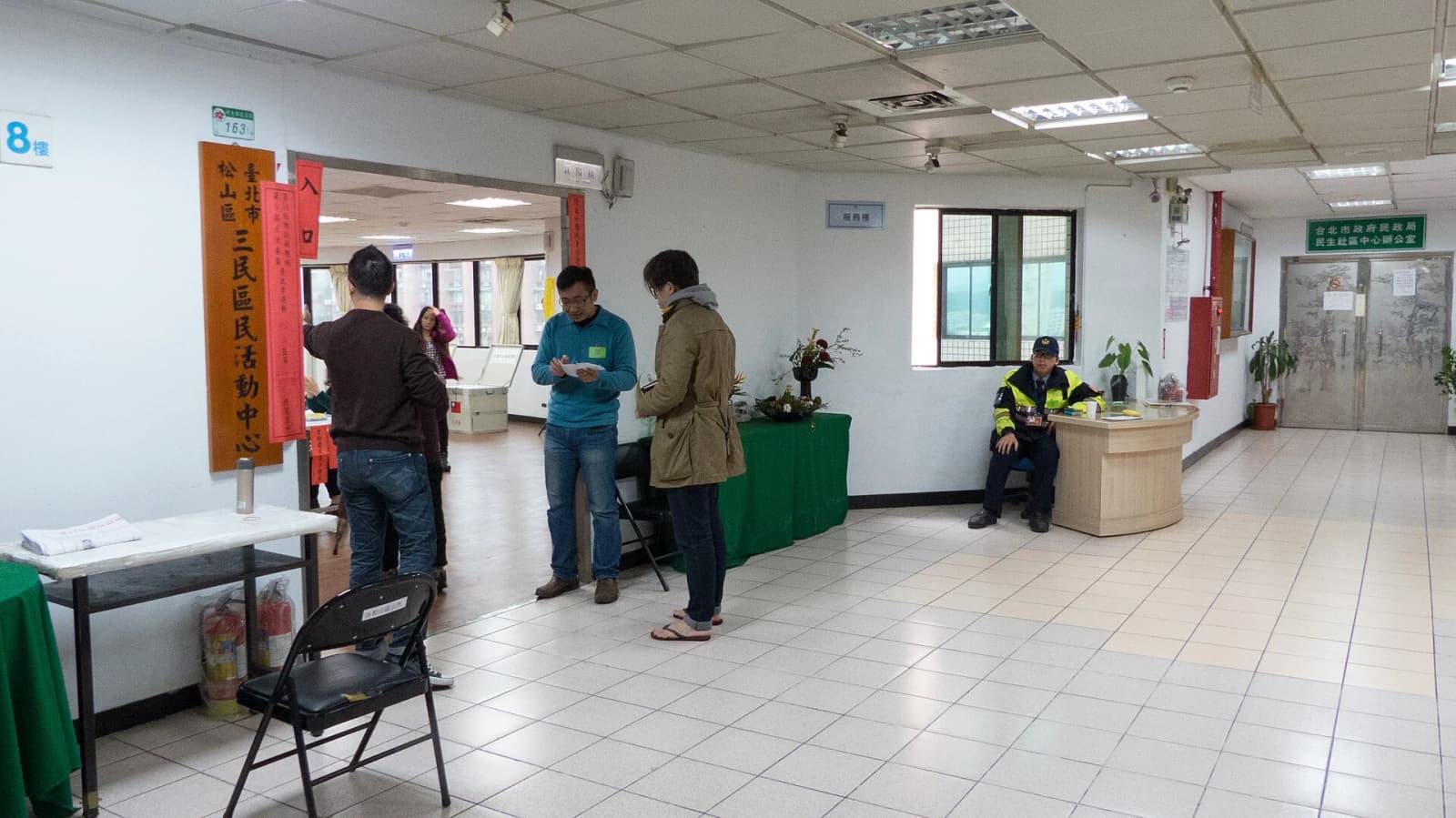
Voters across Taiwan began casting ballots at 8 a.m. on Saturday, November 28 in the island's quadrennial "nine-in-one" local elections—filling 11,051 local government offices across 22 cities and counties—alongside a nationwide referendum on whether to abandon Taiwan's nuclear-free homeland policy.
Key Local Contests Across 22 Cities and Counties
According to Taiwan's Central Election Commission (CEC), 18,244 polling stations staffed by over 300,000 election workers opened across 8,906 electoral districts. About 19.58 million citizens aged 20 and older—roughly 85% of the population, including around 600,000 first-time local voters—are eligible to choose mayors across six special municipalities (Taipei, New Taipei, Taoyuan, Taichung, Tainan, and Kaohsiung), 16 county and city leaders, 919 council members, 198 township chiefs, and 7,780 borough heads.
In Taipei, Kuomintang (KMT) incumbent Mayor Chiang Wan-an faces Democratic Progressive Party (DPP) legislator-at-large Puma Shen. In southern Kaohsiung, DPP nominee Lai Jui-lung meets the KMT's Ko Chih-en to succeed outgoing Mayor Chen Chi-mai. Entering Saturday's vote, the KMT held 14 of the 22 municipal and county leadership posts won in 2022, compared with five for the DPP, one for the Taiwan People's Party, and two independents.
Fourth Nuclear Referendum Since 2018
More than 20 million voters aged 18 and up are eligible to vote on a parallel national referendum asking whether Taiwan should abolish its "Nuclear-Free Homeland" policy and return to nuclear generation for economic growth—coming after the final reactor at the Maanshan Nuclear Power Plant shut down in May 2025.
In Taiwan's fourth nuclear referendum since 2018, passage requires valid "yes" votes to exceed "no" votes and equal at least one-quarter of all eligible voters. The CEC strictly prohibits mobile phones and cameras inside voting booths, carrying fines of NT$30,000 to NT$300,000, with local election counts expected later Saturday evening.