TOKYO / KOSAI: Suzuki Motor Corporation and Tokyo-based battery specialist ELIIY Power have received certification from Japan's Ministry of Economy, Trade and Industry (METI) for a joint plan to manufacture lithium iron-phosphate (LFP) batteries domestically without relying on rare metals such as nickel, manganese, or cobalt.
Backed by up to 18.7 billion yen in government subsidies out of roughly 44.7 billion yen in planned project funding under Japan's Economic Security Promotion Act, the partners will build a production base in Kosai City, Shizuoka Prefecture, targeting a supply launch in October 2029 with an annual capacity of 0.48 GWh.
Dual-Use LFP Technology and Second-Life Battery Design
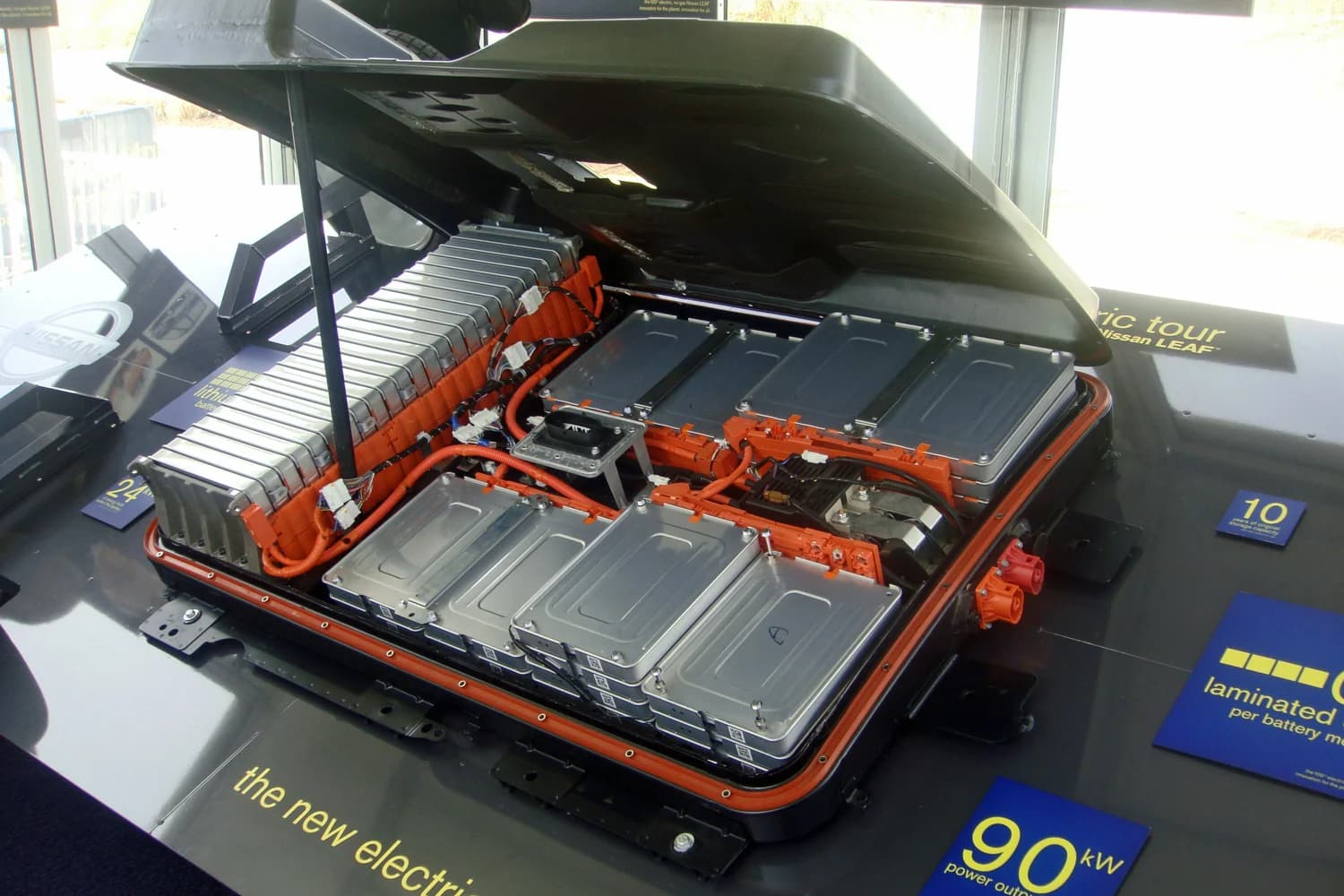
Conventional ternary electric vehicle batteries used across Japan typically require cobalt, nickel, and manganese, whose raw material supply chains remain heavily concentrated in a small number of exporting nations. By using iron and phosphorus in an LFP chemistry, Suzuki and ELIIY Power aim to lower costs, strengthen safety, and insulate Japanese manufacturing from overseas mineral export curbs.
Unlike single-purpose packs, the Kosai-built cells and modules are engineered from the outset for both mobility and stationary energy storage—matching vehicle energy density requirements while surviving long-term charge-discharge cycles when repurposed into residential and commercial power storage systems after automotive use.
Domestic Supply Chain Resilience Ahead of FY2030
Suzuki, which first invested in ELIIY Power in 2012 and deepened its business alliance in November 2023, plans gradual adoption of the dual-use LFP batteries across homes, commercial facilities, and battery electric vehicles from fiscal 2030 onward.
Both companies stated that designing EV batteries for second-life stationary deployment will lower lifetime EV ownership costs and support Japan's broader transition toward supply-chain resilience and carbon neutrality.