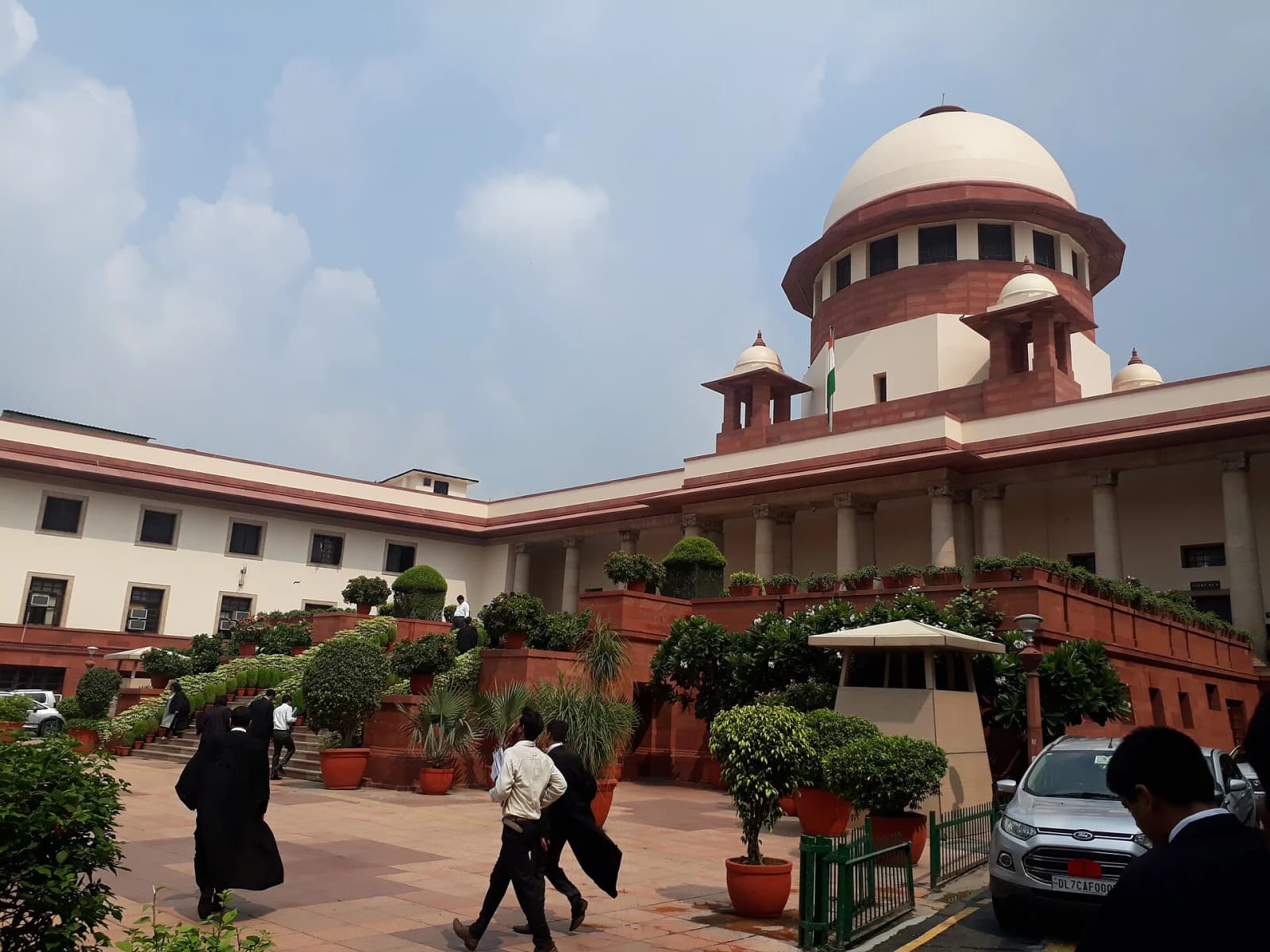
The Supreme Court of India on November 25, 2026, orally clarified that CBSE students who have already opted for three languages in the current academic year may continue studying them, while students enrolled under a two-language choice will not be compelled to switch mid-session. The bench made the remarks while hearing an application filed by the Central Board of Secondary Education (CBSE) seeking modification of the court's September 28, 2026 order.
Bench Clarifies Scope of Transitional Relief
A three-judge bench led by Chief Justice of India Surya Kant, alongside Justices Joymalya Bagchi and V. Mohana, heard Solicitor General Tushar Mehta on behalf of CBSE and senior advocate Gopal Sankaranarayanan representing petitioners in Yashica Bhandari Jain v. Union of India (WP(C) 694/2026). When petitioners raised concerns that some schools were stopping three-language teaching midway, the bench reiterated that students who voluntarily chose three languages should be allowed to continue.
Appearing for CBSE, Tushar Mehta explained that the Board did not intend to impose a sudden burden and had introduced a phased transition for the three-language formula across secondary grades.
How Classes 6 to 10 Are Covered
Under the CBSE mechanism placed before the court, students currently in Classes 7, 8, and 9 have been granted transitional relaxation until they complete Class 10, with the third language assessed internally by schools rather than through a compulsory CBSE Board examination. In contrast, the cohort presently in Class 6 faces a mandatory Board examination for the third language by 2031 unless the policy or prior directive is modified.
The court's remarks bring immediate clarity for schools, parents, and students navigating CBSE's implementation of the three-language framework without disrupting ongoing classroom instruction.