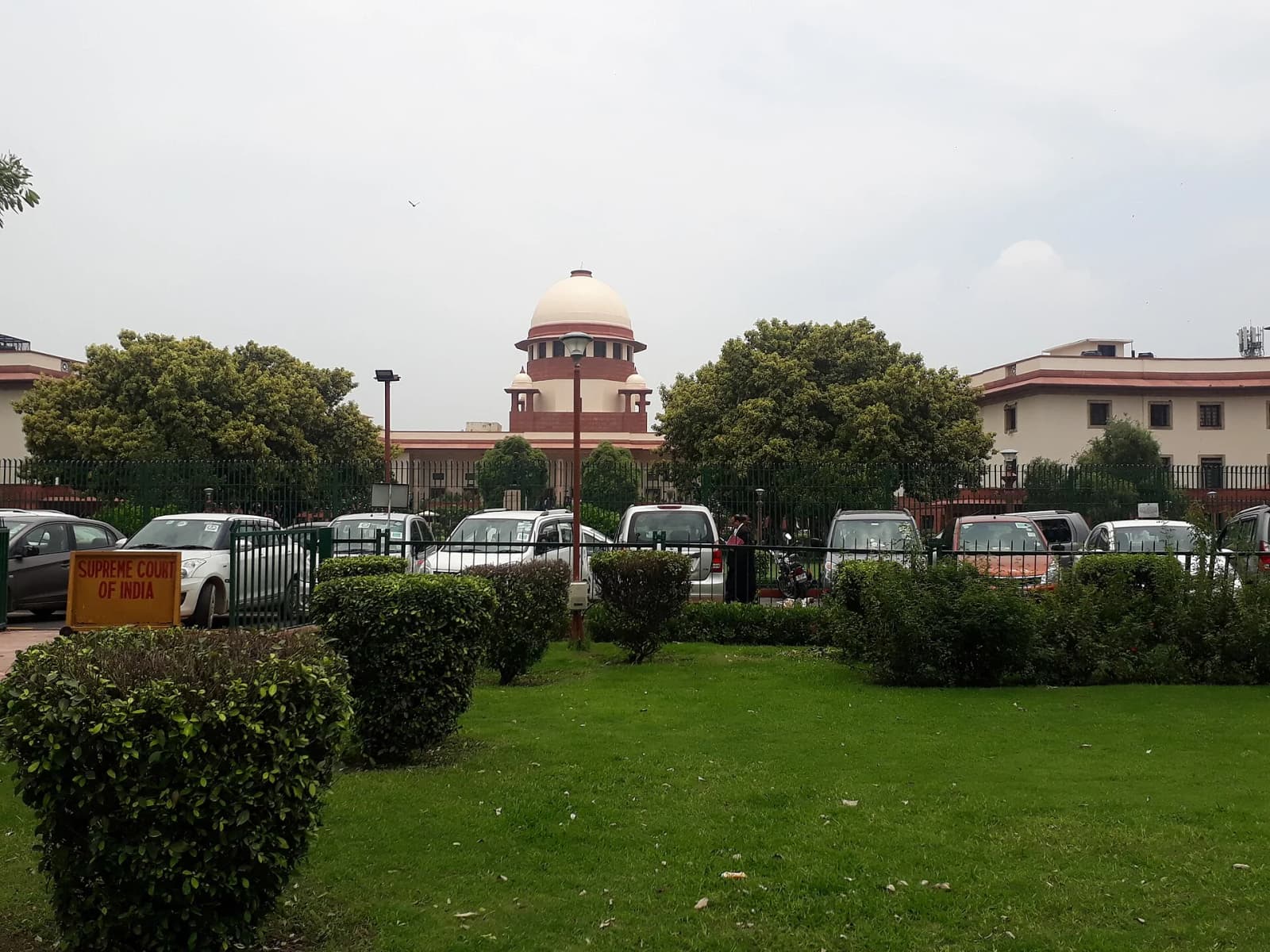
The Supreme Court on Friday, November 27, 2026, strongly criticised a Madhya Pradesh High Court ruling in a Chhindwara murder case, describing it as a "horrendous judgment" after the High Court called fatal skull injuries "simple" while altering a murder conviction to culpable homicide not amounting to murder.
A Bench of Justices JB Pardiwala and K Vinod Chandran dismissed the appeal in Rampal Parteti vs. State of Madhya Pradesh, rejecting the convict's plea seeking a further reduction of his seven-year prison term. The Court noted that the High Court at Jabalpur had reproduced a postmortem report showing skull fractures and ruptured brain membranes yet still characterised the wounds as simple injuries.
Background From Chhindwara Trial to High Court Appeal
According to the prosecution record, on the night of December 28, 2021, Rampal Parteti assaulted his wife Hemwati with a wooden plank from a bed inside their house following a domestic quarrel, and she died later that month. A trial court in Chhindwara convicted Parteti of murder under Section 302 of the Indian Penal Code in July 2024 and sentenced him to life imprisonment.
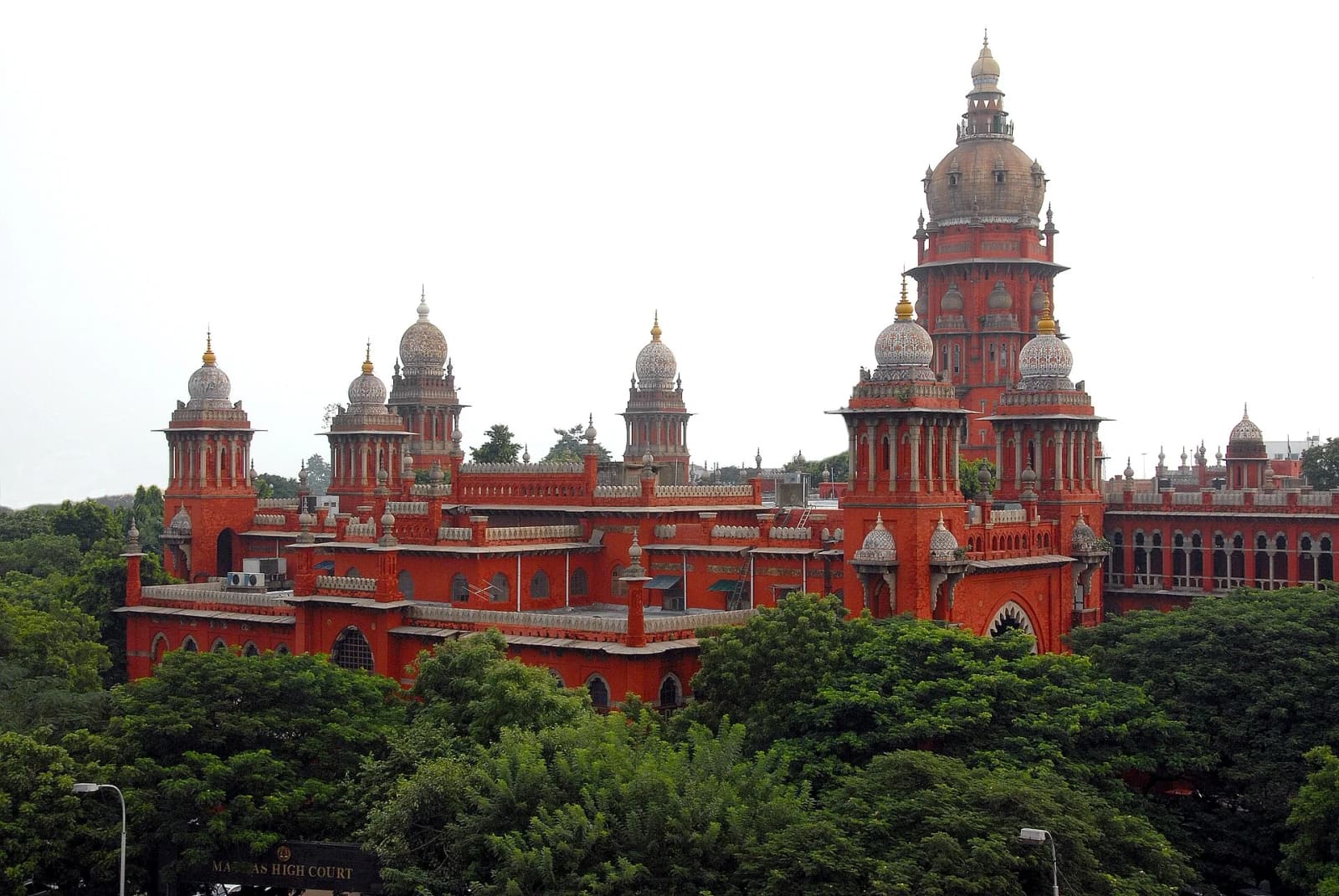
On August 18, 2025, a Division Bench of the Madhya Pradesh High Court at Jabalpur comprising Justices Vivek Agarwal and Avanindra Kumar Singh decided the appeal while taking up Parteti's bail plea. The High Court applied Exception 4 to Section 300 IPC, altered the conviction to Section 304 Part II IPC, and cut the sentence to seven years.
Apex Court Flags Burden of Proof and Medical Evidence
During the November 27 hearing, the Supreme Court Bench questioned defence counsel on why Parteti offered no explanation under Section 313 of the Code of Criminal Procedure when the assault occurred inside the home around 11:30 PM, and why he delayed seeking medical treatment and waited until December 30 to inform the victim's father.
Earlier, on October 8, the apex court had issued a show-cause notice asking why the Section 302 murder conviction and life sentence should not be restored, noting that the High Court had discussed key witnesses in a cryptic manner and failed to engage with oral dying declarations made to the victim's father and sister. Although defence counsel submitted that Parteti had served four years and ten months, the Supreme Court dismissed his petition.