The Supreme Court of India, in a judgment dated 16 November 2026 and reported on 18 November, refused to interfere with two arbitral awards won by Parsa Kente Collieries Ltd (PKCL) against Rajasthan Rajya Vidyut Utpadan Nigam Ltd (RVUNL), the Rajasthan government's power generation company, in a long-running dispute over a coal block. A bench of Justice Satish Chandra Sharma and Justice Nongmeikapam Kotiswar Singh dismissed RVUNL's special leave petition, leaving in place a Rajasthan High Court ruling that had restored both awards, LiveLaw reported.
What was the dispute about?
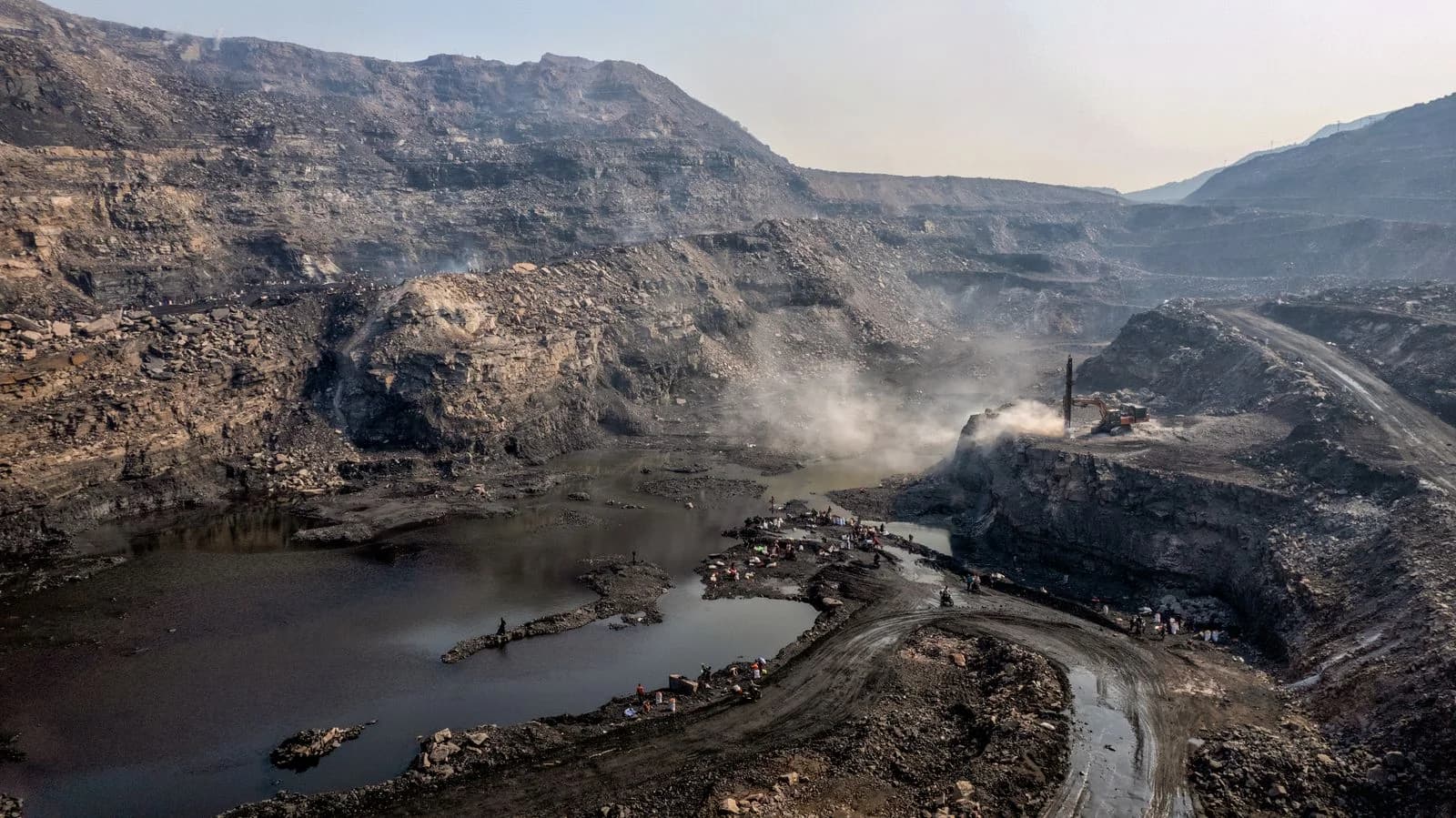
The fight was over money PKCL said it was owed for developing the Parsa East and Kanta Basan (PEKB) coal block and supplying coal to RVUNL's thermal power plants. The two sides signed a Coal Mining and Delivery Agreement in 2008. After the Supreme Court cancelled 204 coal block allocations, including PEKB, the block was re-allocated to RVUNL under the Coal Mines (Special Provisions) Act, 2015, and the parties signed a Supplementary Agreement in 2016 to continue the arrangement with added obligations on PKCL.
PKCL alleged non-payment and non-reimbursement and raised nine claims before sole arbitrator Justice Sudhir Kumar Katriar, a retired judge. He passed an award in January 2021 and an additional award in July 2021. The money claims listed in the report include Rs 83.47 crore for stamp duty and charges on a fresh mining lease, Rs 71.77 crore over rejected coal rakes, Rs 67.27 crore as interest on overdue payments, Rs 66.70 crore for extra land acquisition costs and Rs 43.59 crore in bank guarantee charges.
How did the case reach the Supreme Court?
RVUNL challenged the awards before the Commercial Court in Jaipur under Section 34 of the Arbitration and Conciliation Act, 1996. That court upheld some claims but found fault with others, and because it held it could not modify an award, it set aside both awards entirely. PKCL appealed under Section 37 to the Rajasthan High Court, which restored the awards. RVUNL then came to the Supreme Court.
What did the Supreme Court say?
The bench held that a court hearing a Section 34 challenge does not sit in appeal over an arbitral award. It said "the Arbitral Tribunal is the final arbiter of the facts", and that interpreting the contract is mainly the tribunal's job. A plausible reading, it said, should not be overturned merely because another view is possible; the test is whether it is a construction "that no fair-minded person could take".
Going claim by claim, the court found that the Jaipur Commercial Court had exceeded its limits, at one point acting "as if it was sitting on appeal on facts and law". It also held that a Section 37 appeal court "cannot undertake an independent assessment of the merits of the award". The 11.95% simple interest awarded was found to be within the tribunal's discretion, as it reflected the average rate RVUNL itself paid to other banks.
RVUNL had relied on the Supreme Court's earlier Gayatri Balasamy v. ISG Novasoft Technologies ruling to argue for severing parts of the award or sending the matter back. The bench said that question arises only if part of an award is found invalid, and no part was.
Why does it matter?
The ruling, reported as 2026 LiveLaw (SC) 1170, reinforces the narrow scope courts have to reopen arbitral awards, a point that matters for public sector companies and private contractors in long infrastructure and mining contracts. Senior Advocate Shyam Divan appeared for RVUNL and Senior Advocate Abhishek Manu Singhvi for PKCL. With the petition dismissed, the High Court decision upholding both awards stands. RVUNL's response to the verdict has not been reported.