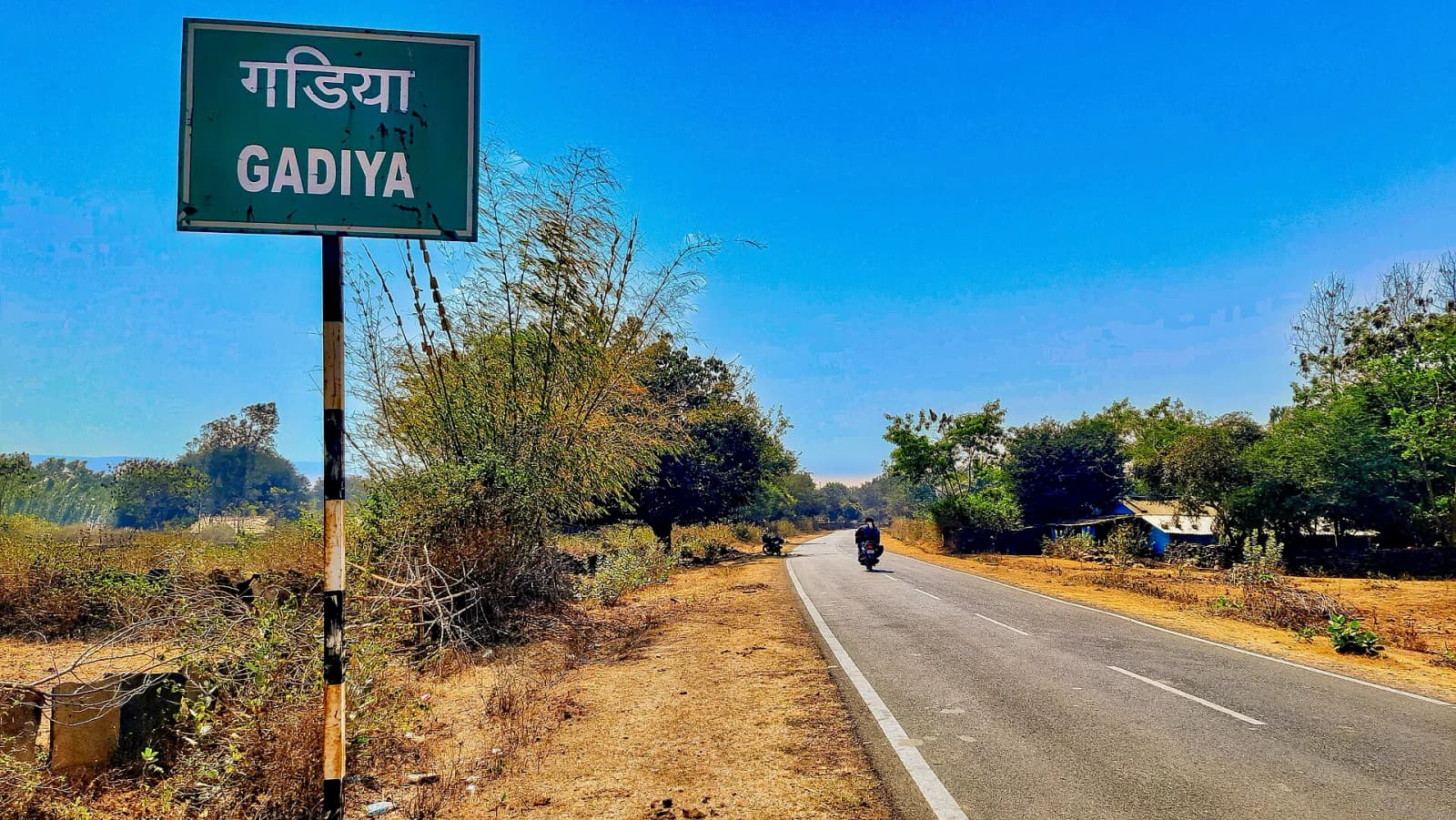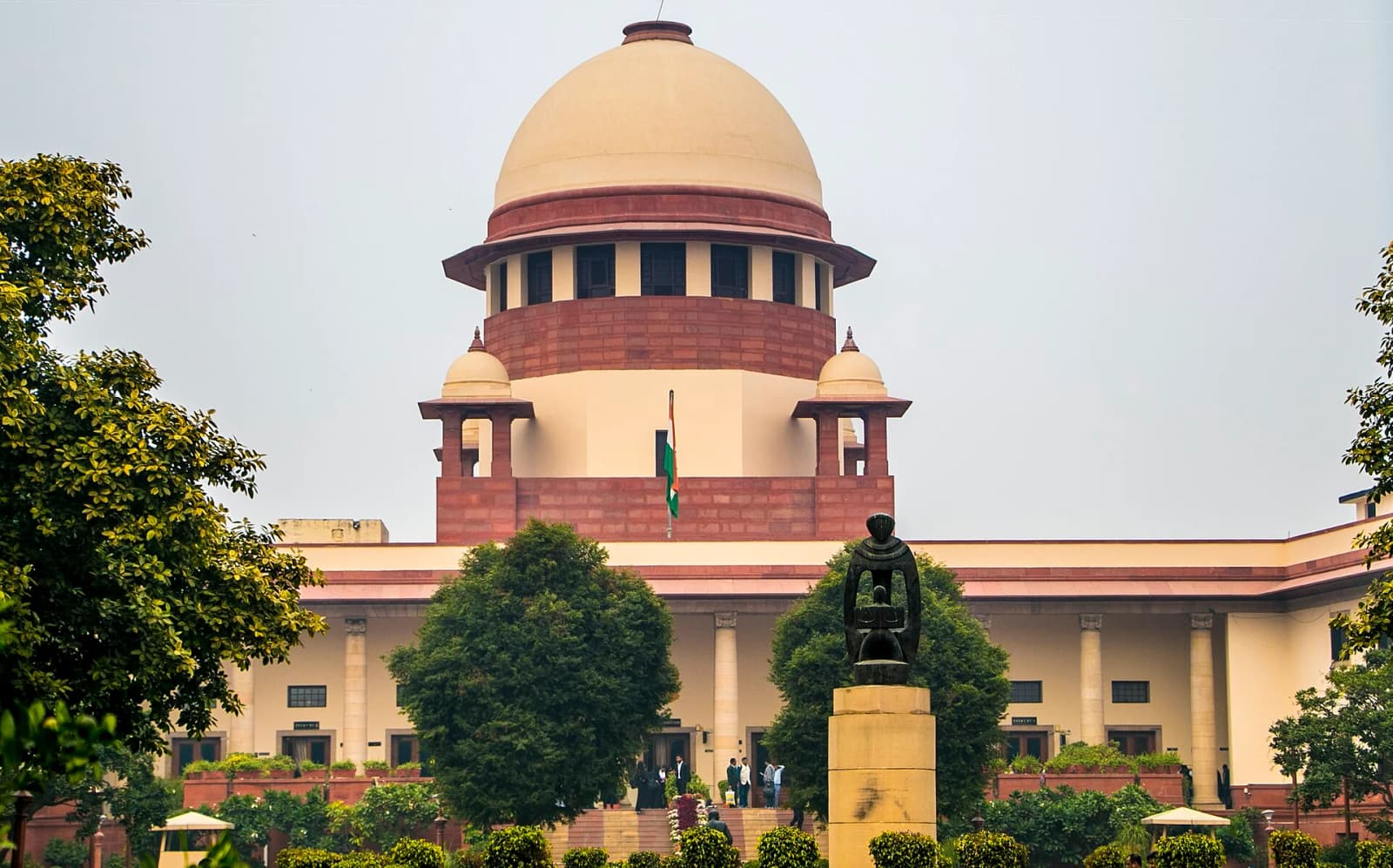
The Supreme Court of India on 18 November 2026 quashed the acquisition of land in three tribal-area villages of Sundergarh district, Odisha, for mining by Dalmia Cements Bharat Limited, holding that the prior consent of the Gram Sabha required for acquisitions in Scheduled Areas is mandatory and cannot be treated as a formality.
A bench of Justice Dipankar Datta and Justice Satish Chandra Sharma allowed an appeal by residents of Kukuda, Bihabandha and Lanjiberna villages and set aside a 6 September 2024 judgment of the Orissa High Court at Cuttack, which had dismissed their challenge. The 44-page judgment, written by Justice Sharma, was reported as 2026 INSC 1244.
What did the Supreme Court decide?
The court held that Section 41(3) of the Right to Fair Compensation and Transparency in Land Acquisition, Rehabilitation and Resettlement Act, 2013, is mandatory. That provision says the prior consent of the Gram Sabha, Panchayat or Autonomous District Council must be obtained in all cases of acquisition in Scheduled Areas under the Fifth Schedule of the Constitution, before any notification is issued.
The bench said the High Court's approach had reduced a mandatory statutory requirement to "a paper formality". It added that in this case there was not even paper consent: the consent was to be recorded on Form M under the Odisha rules, no such material was on record, and the Gram Sabhas had rejected the proposal through resolutions passed on 26 January 2020. Despite this, the court said, the authorities "proceeded unhindered on the path of illegality".
What else went wrong in the acquisition?
According to the judgment, the bench found several other defects:
- Consent of affected families: Where land is acquired for a private company, the consent of at least 80% of affected families under Section 2(2)(b) must be obtained along with the Social Impact Assessment, before the government considers the proposal. Later consent cannot cure this failure.
- No public hearing: A hearing on the draft Social Impact Assessment had been scheduled in the villages for 16 April 2021, but the court found no material showing it actually took place. RTI replies from the gram panchayats said it could not be held because of Covid-19.
- Expert Group not independent: The court held that including a person with a direct financial and professional link to the project in the Expert Group compromised its independence and amounted to a violation of Section 7 of the Act.
The bench also rejected the argument that the company's mining lease under the Mines and Minerals (Development and Regulation) Act, 1957, made acquisition unnecessary. It said a lease between the State and a mining company cannot affect the proprietary rights of third-party landowners, who have no part in that arrangement.
Background to the case
The judgment records that Odisha had granted Dalmia Cements a mining lease, last extended in 2016 till 29 February 2040. In 2015 the company sought surface rights over land in the three villages to mine a remaining portion of the lease area. The State gave administrative approval in 2017 on the condition that the prior-consent provisions would apply, issued the final acquisition notification on 3 November 2021, and the villagers' writ petition was later dismissed by the High Court.
The bench also criticised the State for questioning the villagers' standing after failing to update the record of rights during the acquisition, saying a constitutional court should not turn away such a challenge on curable technical grounds.
What happens next?
The acquisition, the related notifications and orders, and the High Court judgment have all been set aside. The court clarified that its ruling does not bar the authorities from starting a fresh acquisition process, but any new attempt must follow the law and the findings in this judgment. No public response from Dalmia Cements or the Odisha government was available at the time of writing.
Photo source · Subhashish Panigrahi, CC BY-SA 4.0