Prime Minister Narendra Modi paid tribute to painter Sardar Sobha Singh on his 125th birth anniversary in the 140th episode of his monthly radio programme Mann Ki Baat on 29 November 2026, drawing an emotional response from the artist's family in Andretta village, Kangra district, Himachal Pradesh. The Centre has marked the anniversary with a ₹125 commemorative coin.
According to DD News, the Prime Minister recalled Sobha Singh's portraits of the Sikh Gurus and the deep reverence they evoke, noted that the painter had served for several years as a draftsman in the Army, including a stint in Baghdad, and said the commemorative coin released in his honour had brought great joy to the Sikh community. The episode also covered drug abuse among the young, which MapMyTimes reported on earlier today.
How did the painter's family react?
The family called it a moment of pride. Speaking to All India Radio News, his daughter Bibi Gurcharan Kaur described hearing the Prime Minister remember her father as "an unforgettable moment of pride and deep emotion" and thanked him for honouring the legacy.
His grandson Dr Hirday Paul Singh, Secretary General of the Sobha Singh Memorial Art Society in Andretta, said the mention would carry the artist's work to millions of listeners, adding that the paintings portray spirituality, human values, beauty and goodwill. Kamaljit Kaur, Dr Hirday Paul Singh's wife, said that because the programme is rendered in several Indian languages, the message would reach remote villages too.
The family also thanked the Government of India for the ₹125 coin, saying the coin and the radio mention together had made the anniversary historic. Members of the art society held a meeting under its president K.G. Butail to welcome the recognition, The Tribune reported.
Who was Sobha Singh?
Sobha Singh was born on 29 November 1901 in Sri Hargobindpur in Punjab's Gurdaspur district. He joined the British Indian Army as a draughtsman in 1919 and served in Mesopotamia, in present-day Iraq, before resigning in 1923 and setting up a studio in Amritsar.
After Partition he moved to Andretta, near Palampur in the Kangra valley, where he lived and worked for nearly four decades. The village is home to the Sobha Singh Art Gallery, which displays his work.
He is best known for his portraits of the Sikh Gurus. His painting of Guru Nanak, made for the Guru's 500th birth anniversary in 1969, is regarded by many people as the defining likeness of the founder of Sikhism. His other well-known works include depictions of the Punjabi folk romances Sohni Mahiwal and Heer Ranjha, and portraits of Bhagat Singh, Kartar Singh Sarabha, Mahatma Gandhi and Lal Bahadur Shastri. Some of his work hangs in the art gallery of Parliament House.
He received the Padma Shri in 1983 and died in Chandigarh on 22 August 1986.
Why does the anniversary matter?
Sobha Singh's images of the Sikh Gurus are widely seen in homes and gurdwaras. The 125th anniversary, the coin and a national radio tribute together put a spotlight on a painter whose work is familiar to millions even when his name is not. His family hopes the recognition will help younger generations learn about his life and work.
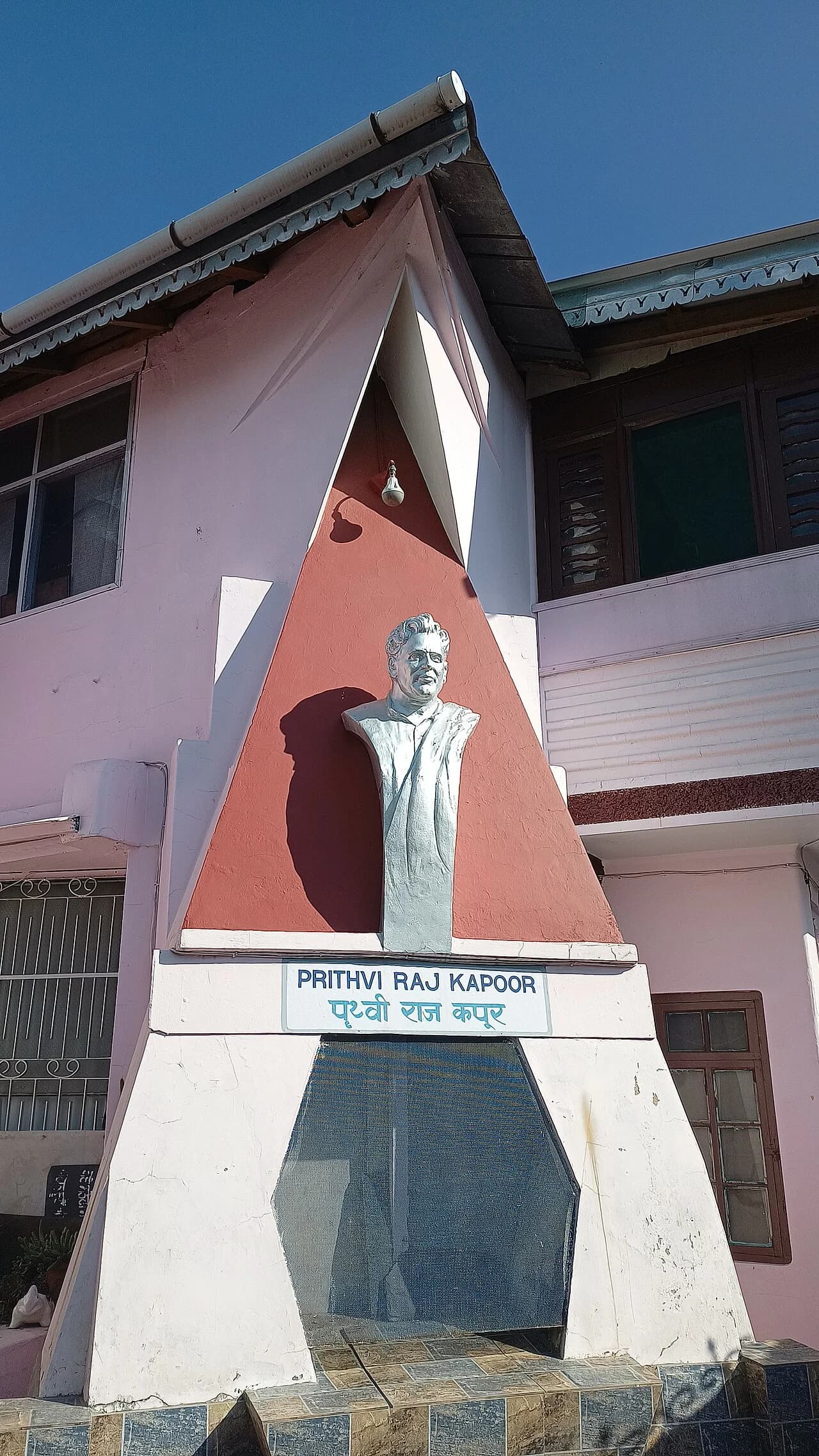
Photo source · Baghesukoon, CC BY-SA 4.0