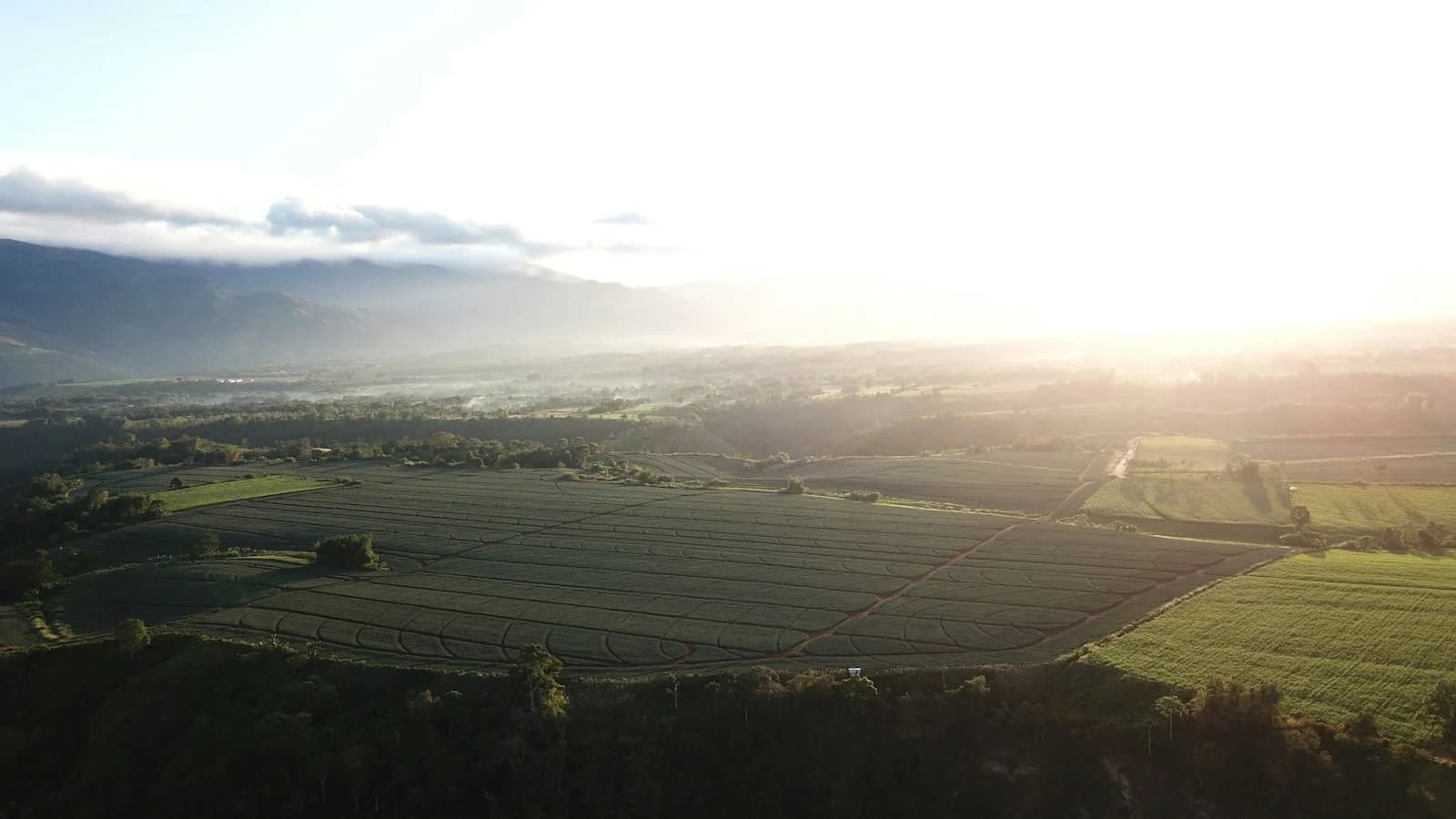
Mizoram Chief Minister Lalduhoma on 27 November 2026 inaugurated a Rs 2-crore Pineapple Processing Centre at Sialhawk village in Khawzawl district, a facility meant to turn the state's biggest pineapple-growing village into a producer of value-added fruit products and raise farmers' incomes.
The centre was built with Rs 2 crore in assistance from the North Eastern Council and implemented by the Mizoram Science, Technology and Innovation Council (MISTIC) under the Directorate of Science and Technology in the state's Planning Department, EastMojo reported.
What can the Sialhawk centre do?
The centre can process about 3,000 to 3,500 kg of pineapples a day and has a storage capacity of 9,000 litres. It is equipped with pineapple-processing machinery, a reverse osmosis water treatment plant and an in-house laboratory to test products. A 16 kVA transformer costing Rs 15.33 lakh was installed for it under the state's Bana Kaih scheme.
The local Sialhawk Pineapple Processing Society already holds FSSAI registration and a licence to produce local fruit beer and wine, and is applying for a trademark for its popular product, "Unzi". Lalduhoma said he hoped products such as pineapple jam, juice and wine would soon be made at the centre. Those products are an aim for now; no production figures have been announced.
Why does processing matter for Sialhawk's farmers?
Processing matters because a large share of Sialhawk's crop has struggled to find buyers at fair prices. The village produced more than 12,000 quintals of pineapples in 2026. A MISTIC profile of Sialhawk estimates that the village, home to around 545 households, accounts for more than 60 per cent of Mizoram's pineapple output, and that roughly 3,000 quintals a year become unsuitable for sale at normal prices because of bruising and rot.
The problem has been acute in bad years. In 2024, about 4,000 quintals of Sialhawk pineapples worth around Rs 40 lakh went unsold and rotted, Northeast Live reported at the time, prompting calls for better market links and infrastructure. Fruit that cannot be sold fresh can, in principle, be turned into juice or jam with a longer shelf life.
What else did the Chief Minister announce?
Lalduhoma said the government wants Mizoram to contribute 1 per cent of India's GDP by 2047 and is looking for ways to raise farm earnings through value addition. He said processing facilities for ginger and broom grass are also being developed under Bana Kaih. He urged residents to make good use of the centre and warned against corruption and misuse of public assets.
Road projects for the area under the SASCI scheme were also outlined: a Solar Pump Road costing Rs 11.1 crore, a 1.5-km Lal Mual link road of about Rs 72 lakh and a 5-km Lungva link road costing Rs 3 crore. Better roads would make it easier to move fruit from the fields to the processing unit and on to markets.
What happens next?
The society's first products, the outcome of its trademark application and the centre's actual daily throughput will show whether the unit cuts the village's post-harvest losses. Northeast India's food traditions have been drawing attention lately, including at the first Northeast Tribal Food and Craft Festival in Gangtok.