Participating corporations at Shilp Samagam Mela 2026 reported cumulative sales of approximately ₹55.46 lakh between November 1 and 8, the Ministry of Social Justice and Empowerment said in an update issued on November 9. The fair at Dilli Haat, INA, in New Delhi is scheduled to continue until November 15.
The figure brings a commercial measure to an event designed to connect traditional craft producers directly with buyers. It is a cumulative sales total for the reporting period, not the earnings of an individual artisan or a single day’s turnover.
Four corporations report the sales
The ministry attributed the total to four participating organisations: the National Scheduled Castes Finance and Development Corporation, National Backward Classes Finance and Development Corporation, National Safai Karamcharis Finance and Development Corporation, and National Divyangjan Finance and Development Corporation.
The event provides a platform for artisans and beneficiaries from Scheduled Caste and Other Backward Class communities, Safai Karamcharis and persons with disabilities to display and market their work. According to the ministry, its Shilp Samagam fairs have helped more than 1,000 artisans from the first three beneficiary groups access exhibition and marketing opportunities since the programme began in 2022.
Crafts, textiles and seven themed spaces
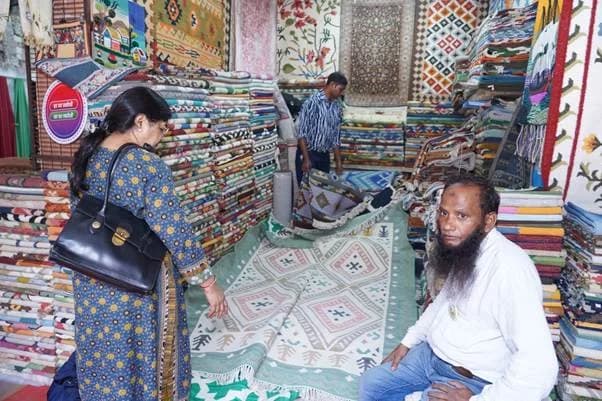
More than 130 stalls at the ongoing fair feature handicrafts, handloom products, traditional textiles, lamps, festive decorations, home décor and other indigenous products. The November 9 update describes seven themed zones covering art, lighting, worship-related items, decoration, home products, food and performance.
Evening programmes at the Manch bring together folk dance, traditional music and regional art forms from different states. For visitors, the combination offers an opportunity to meet makers and explore craft traditions alongside cultural performances.
Support extends beyond a stall
The ministry said participating beneficiaries receive free stalls, travel support, daily allowances and arrangements for transporting their goods. These measures are intended to reduce the cost and logistical difficulty of reaching customers outside an artisan’s usual market.
The fair also highlights Bharat TULIP, which links artisans with e-commerce platforms, and Purple Fest, which promotes the creativity and participation of persons with disabilities. The ministry described these as additional routes to market access and inclusion.
The sales update indicates the response recorded during the first reporting period. It does not establish each participant’s profit, because individual costs and sales are not broken out. The fair’s remaining days provide a further opportunity for buyers to purchase directly from participating artisans before its scheduled conclusion on November 15.