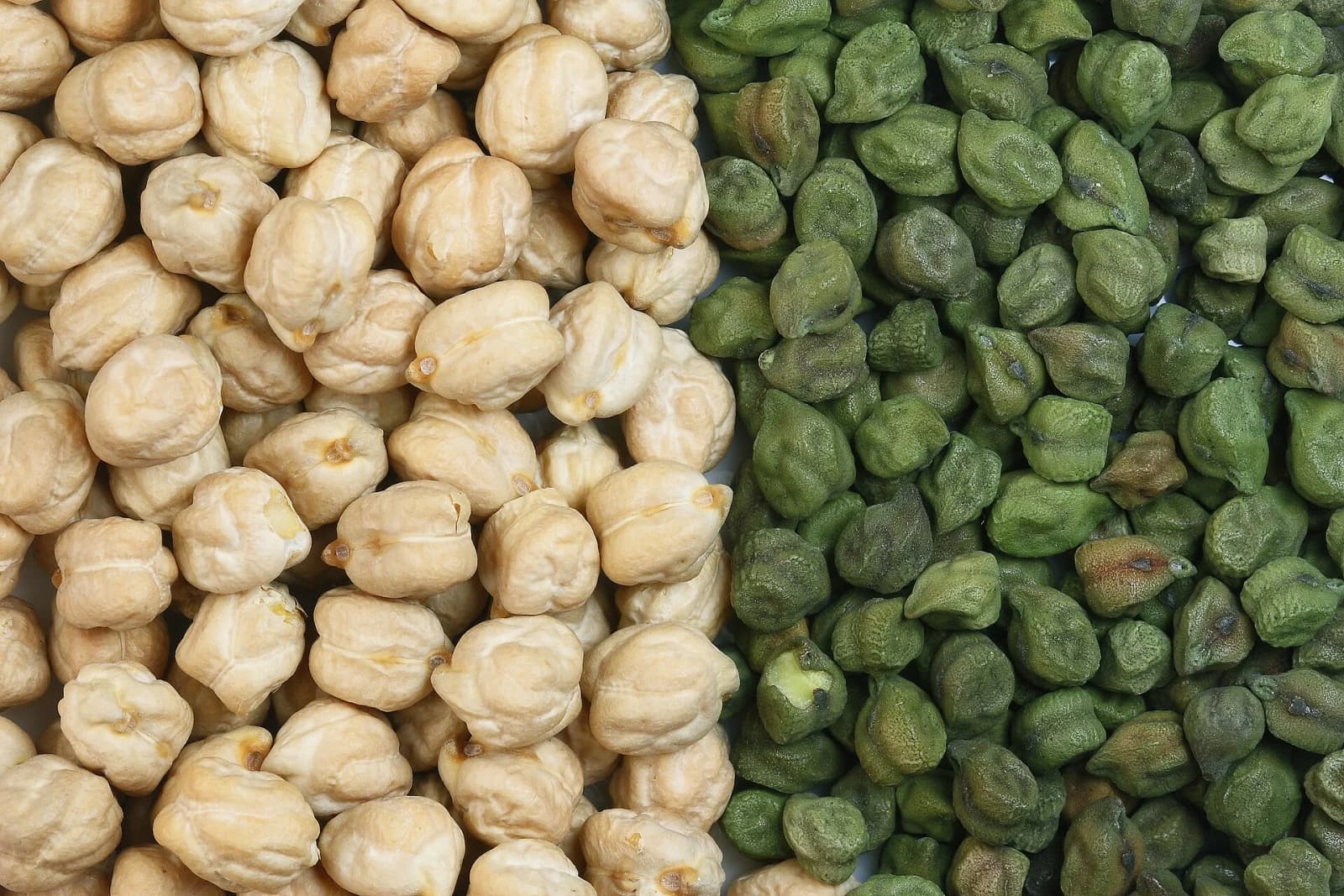
Farmers in Madhya Pradesh's Shahdol district are set to grow Kabuli chana (white chickpeas) for the first time under an Agriculture Department trial launched through the ATMA (Agricultural Technology Management Agency) project, officials confirmed on Sunday, November 29, 2026.
Traditionally dominated by paddy in kharif and wheat, pulses, and oilseeds in rabi, Shahdol has selected 30 farmers across blocks to cultivate one acre each using four quintals of subsidised seed provided by the department.
Diversifying Beyond Traditional Crops for Higher Returns
ATMA Project Deputy Director O.S. Barman noted that Kabuli chana is being introduced this rabi season as an income-diversification innovation because local soil and climate conditions suit the high-value crop. Unlike experimental crops such as chia that suffered from weak local buyer demand, officials expect strong domestic market demand and higher mandi prices than regular gram.
If yields and weather remain favourable during this pilot season, authorities plan to expand Kabuli chana acreage across Shahdol next year, drawing on lessons from Madhya Pradesh's Malwa belt—where Indore, Dewas, Ujjain, and Dhar host major Kabuli gram mandis.
Recommended Varieties and Rabi Sowing Guidance
Agricultural scientist Dr B.K. Prajapati explained that well-drained loamy or black soil is ideal for Kabuli chana, with October to November serving as the optimal sowing window after mandatory seed treatment. Among the varieties highlighted for farmers are Raj Vijay Kabuli Gram-101, KAK-2, Kota Kabuli Chana-1, and Ujjwal.
- Pilot scale: 30 selected farmers cultivating one acre each with 4 quintals of subsidised seed.
- Implementing agency: Agriculture Department under the ATMA project in Shahdol.
- Goal: Provide a marketable high-value rabi pulse alternative tailored to local climate conditions.