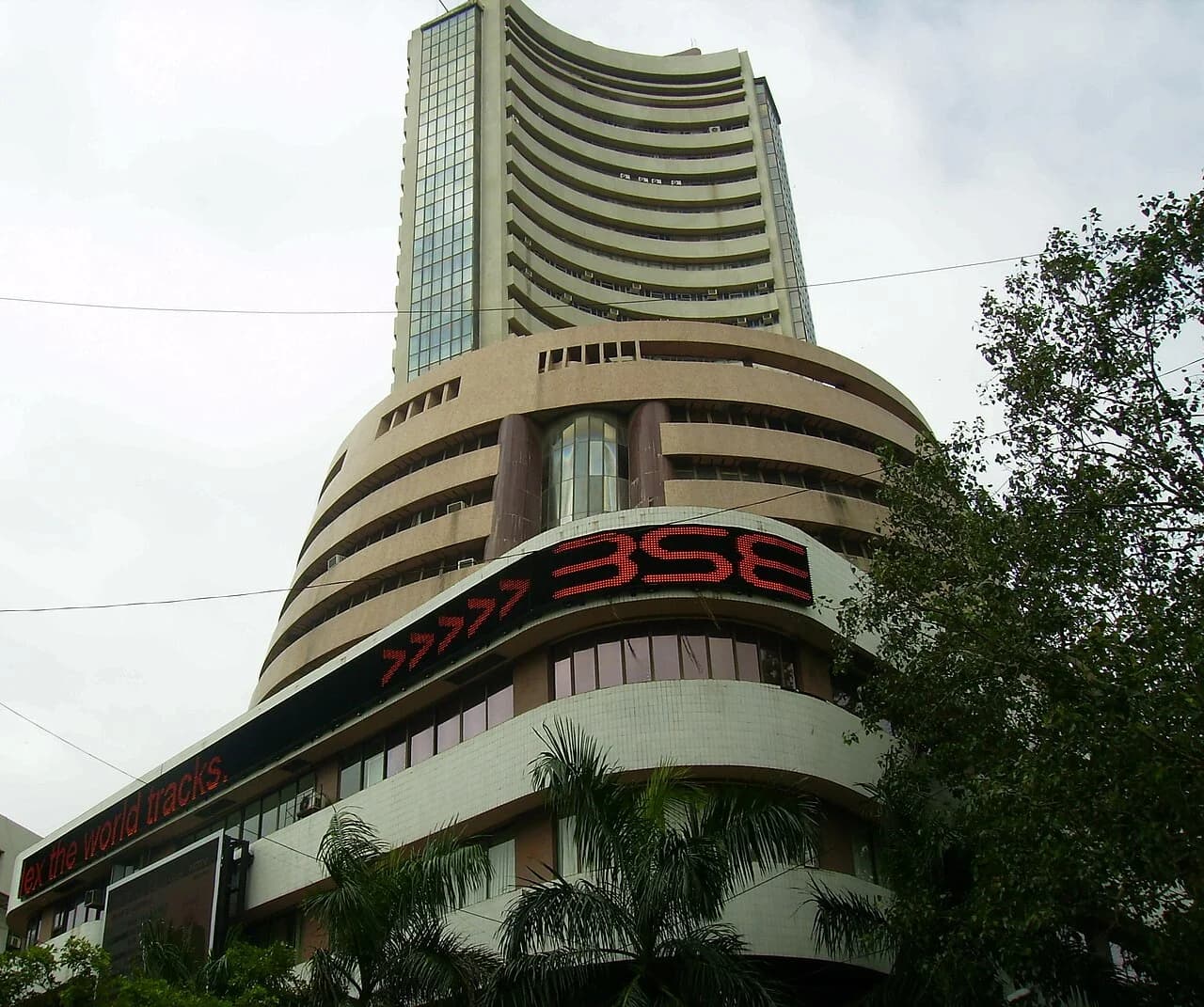
The Securities and Exchange Board of India (SEBI) on 20 November 2026 proposed tighter limits on how long the people who run and oversee India's stock exchanges, clearing corporations and depositories can stay in their posts. In a consultation paper issued in Mumbai, the market regulator suggested cutting the age limit for public interest directors from 75 to 70, capping managing directors at 12 years across these institutions, and allowing the chief executive of the Association of Mutual Funds in India (AMFI) onto the board of a repo clearing house that mutual funds own.
Public comments are open until 11 December 2026. The paper came on the same day SEBI proposed scrapping its extra disclosure rules for foreign portfolio investors.
What are market infrastructure institutions?
They are the stock exchanges, clearing corporations and depositories on which securities are traded, cleared, settled and held, and SEBI calls them "the backbone of the securities market". Because they also police their own members and listed companies, SEBI says public trust depends on the independence and periodic renewal of their boards and top management. Their governance rests on three groups: public interest directors (PIDs), who hold what SEBI calls a quasi-regulatory position; the managing director (MD) and executive directors (EDs); and statutory board committees.
What is SEBI proposing for public interest directors?
SEBI wants to lower the maximum age for a PID from 75 to 70 years and cut the number of three-year terms a PID can serve across institutions from three to two. Today a PID can serve a second term at the same institution or a third at another, so nine years in all; the proposal would cap this at six.
The regulator argues the job is closer to a regulator's than an ordinary independent director's, demands more time, and increasingly requires familiarity with technology, cyber and operational risk. It also says the current rules let "a small group of individuals" move from one institution to another over many years, and that lower limits would open the role to a wider pool.
Two further changes are proposed for PIDs:
- Associates: PIDs would be barred from simultaneously sitting on the boards of associates of any market infrastructure institution, not just subsidiaries, to close what SEBI calls a "structuring gap".
- Committees: a PID could sit on no more than four of the six statutory committees, replacing an unclear cap of five.
How would the limits for MDs and EDs change?
An MD would be limited to 8 years at a single institution and 12 years across all of them, with no single term above five years and at most three terms in all. At present an MD can serve up to 10 years at one institution and then another 10 at a different one, with no overall cap. An MD already in office when the change takes effect would get a transition ceiling of 15 years across institutions.
Executive directors would be capped at 8 years in one institution and 16 years across institutions. Time as ED and MD together could not exceed 12 years at one institution or 20 years in all. SEBI cites "key man risk" and entrenchment, and the influence a person could build by heading several interlinked institutions in succession. PIDs, MDs and EDs already in office would complete their current terms on the terms they were appointed on.
Why does AMFI's chief executive feature?
SEBI wants to let AMFI's chief executive, ex officio, sit on the board of a limited purpose clearing corporation, because the only such entity, AMC Repo Clearing Ltd (ARCL), needs fresh capital from the fund houses that own it. According to the paper, 37 asset management companies put ₹150 crore into ARCL, which began operations in July 2023. Its net worth stood at ₹138.98 crore on 30 June 2026, below the ₹300 crore minimum the Reserve Bank of India requires of central counterparties, and SEBI says it risks de-recognition if it cannot raise capital.
The paper says mutual funds accounted for 98.49% of lending value on ARCL in August 2026 and that the platform cleared ₹8.19 lakh crore of tri-party repo in the first half of 2026-27. The AMFI chief would be a non-independent director, would stay off the risk management, members and regulatory oversight committees, would recuse from decisions on risk parameters and defaults, and would not see data on individual participants.
Why does it matter to investors?
It matters because these institutions are the first line of supervision over brokers and listed companies, so who leads them, and for how long, shapes how independently they act. SEBI's paper argues that regular turnover brings "fresh perspectives" and preserves the ability to take unpopular decisions. At the same time, the paper says ED limits are designed to leave a credible career path for staff and that incumbents keep their current terms, with a 15-year transition ceiling for serving MDs.
What happens next?
SEBI is asking for views on nine questions, including whether the safeguards for the AMFI seat are adequate, until 11 December 2026, according to the paper. These are proposals only; any change would need SEBI board approval and amendments to its regulations. MapMyTimes has also reported on SEBI's guidelines on AI use in markets.
Photo source · Niyantha Shekhar, CC BY 2.0