Saudi air defences intercepted Houthi ballistic missiles fired towards the capital Riyadh and the kingdom's oil-rich Eastern Province overnight into Sunday, 29 November 2026, the Saudi-led coalition fighting in Yemen said. Hours later the coalition told civilians to leave Ras Isa, a port on Yemen's Red Sea coast, in what appeared to be a warning ahead of fresh strikes.
Coalition spokesman Major General Turki Al-Maliki said in posts on X that falling debris from the interceptions did not cause civilian casualties. He warned that the coalition would respond firmly to any attempt to target civilians or property in the kingdom, according to a report by the Kuwait News Agency (KUNA).
What happened over Riyadh and the Eastern Province?
Residents of Riyadh received mobile-phone alerts warning of a possible aerial threat shortly after 2:30 am local time on Sunday, Arab News reported. Al-Maliki said one ballistic missile aimed at the capital was destroyed in the air. Saudi Arabia's General Directorate of Civil Defense sounded sirens, told residents to stay away from open areas and later switched the alarm off, KUNA said.
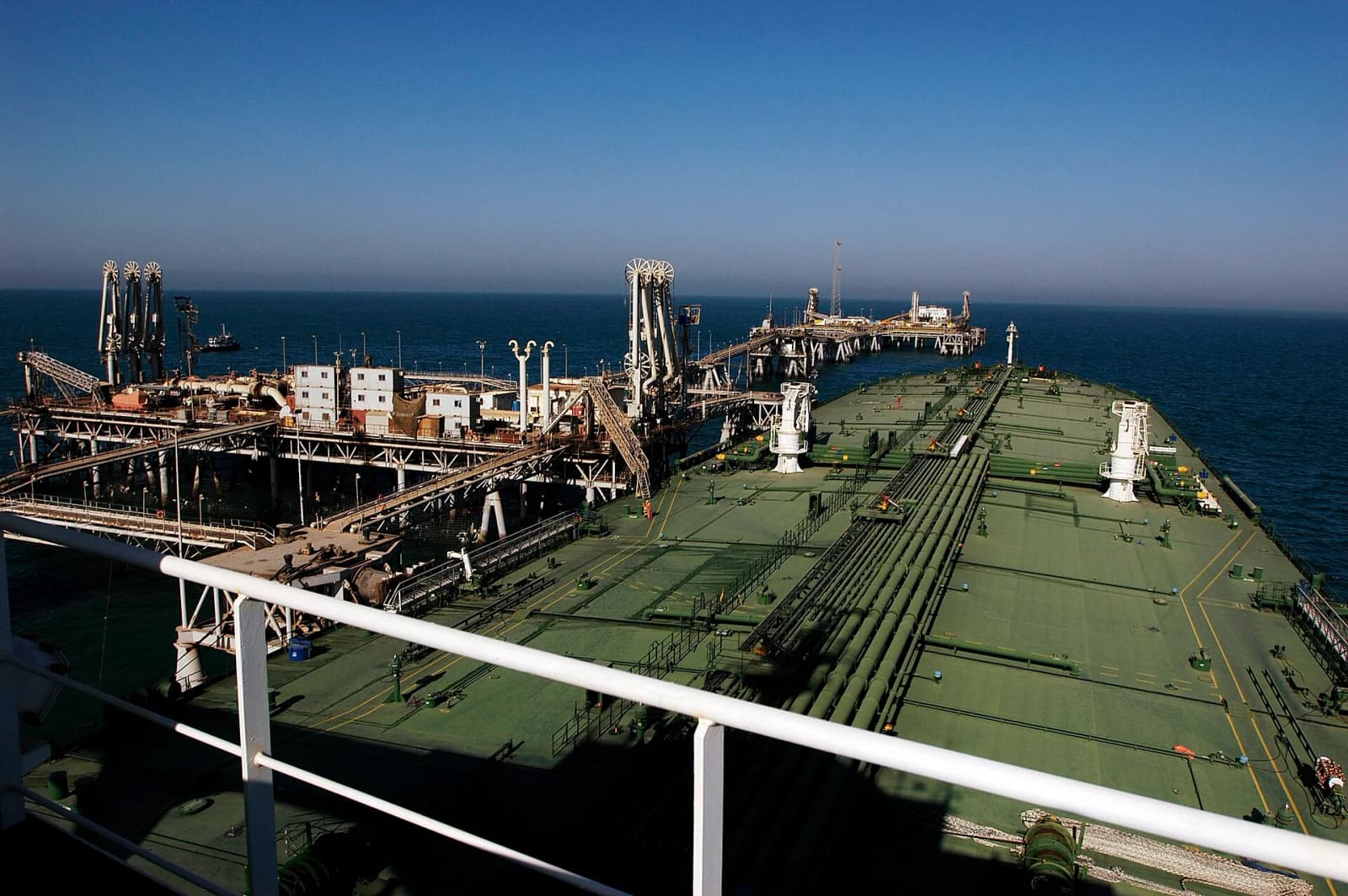
The coalition also reported intercepting missiles aimed at the Eastern Province. Arab News said one of them was heading for the Al-Ahsa and Abqaiq governorates, home to major oil installations, while KUNA reported two ballistic missiles fired at the province late on Saturday. Anadolu Agency and the Qatar News Agency put the total for the latest wave at three missiles. Accounts of the exact number and timing differ slightly between outlets.
Separately, Al-Maliki said coalition aircraft destroyed a ballistic missile launch platform in Yemen's northern Saada Governorate, which he said the Houthis had used to fire at Saudi Arabia's southern Jazan province.
Why has the coalition told civilians to leave Ras Isa?
The coalition gave no reason beyond saying the call was "for their safety". Al-Maliki posted a map showing a designated evacuation route but offered no further details, Anadolu Agency reported. Ras Isa lies on the Red Sea coast in territory held by the Houthis.
A week of escalating cross-border attacks
The latest interceptions follow several days of Houthi strikes on Saudi territory. Arab News said the coalition destroyed four ballistic missiles and a cruise missile on Saturday alone, including one aimed at Al-Shuqaiq in Jazan, a town with major desalination and power plants. A Houthi attack on the Jazan refinery on Thursday killed a Nepali worker and injured several others, while an earlier strike on a tower in Riyadh's King Abdullah Financial District injured 11 people, according to Saudi Civil Defense figures cited by Arab News.
Some reports say the Houthis claimed on Saturday to have targeted Riyadh's King Khalid International Airport, the Jazan refinery and other energy facilities. MapMyTimes could not independently confirm those claims, and the coalition statements did not address them.
Direct Houthi attacks on Saudi Arabia had largely stopped after a 2022 truce, but hostilities resumed in July 2026, Arab News noted. The Houthis have controlled Sanaa since 2014, and Saudi Arabia has led a military coalition backing Yemen's internationally recognised government since 2015.
Why it matters
The strikes have already rattled markets and travel. Indian shares fell sharply on 27 November as crude prices rose after attacks on Saudi energy sites, and Indian carriers have extended suspensions of some Saudi routes, with Akasa Air halting Jeddah and Riyadh flights until January 2027. Any coalition operation around Ras Isa, and whether the Houthis keep targeting energy sites, will be the next things to watch.
Photo source · B.alotaby, CC BY-SA 4.0