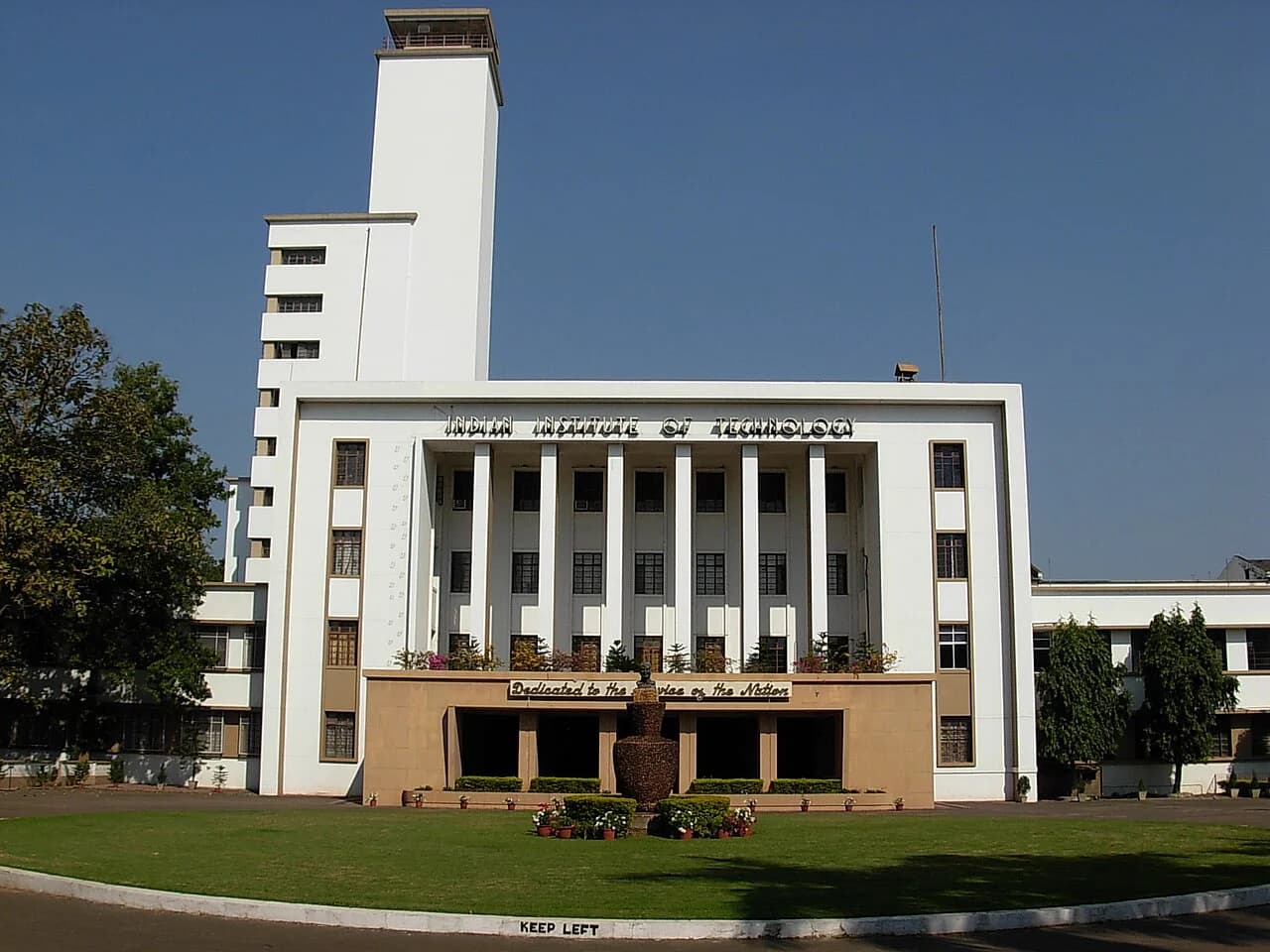
The Indian Institute of Technology (IIT) Kharagpur on Saturday opened RuralConnect 2026, a two-day national workshop that asks a simple but stubborn question: what does it take for internet connectivity to actually work for people in villages, rather than merely appear on a coverage map?
The workshop on Rural Communication Innovations began on 14 November, Children's Day, under the theme "Empowering Underprivileged Youth", according to a release issued through the Press Information Bureau's Kolkata office. It has brought together speakers from industry, academia and government along with researchers, mentors and students.
Minister attends inaugural session
West Bengal's Minister for Panchayat and Rural Development, Agricultural Marketing and Animal Resources Development, Dilip Ghosh, attended the opening as chief guest. The release said his presence underlined the value of involving young people in shaping the future of their villages and of research that responds to rural needs.
From the lab to the village
The event grows out of work at IIT Kharagpur's SWAN Lab, which researches wireless communication, the Internet of Things (IoT) and networked sensing. The team has been developing technologies that link devices and move information in places where network coverage and resources are thin. The institute said RuralConnect is meant to put the people who design such systems in the same room as those who deploy them and those who are supposed to benefit.
The organisers framed the problem in everyday terms. A village can look connected on paper, yet a student may still be unable to download a lesson on a shared phone, or a health worker may fail to send a report when the signal drops. Discussions at the workshop are focused on whether proposed solutions can cope with patchy connectivity, work in local languages and remain affordable to maintain once installed.
Ideathon, tutorial and an essay contest
The programme includes expert talks, a panel discussion and a technical tutorial on rural wireless networks and IoT connectivity. A mentored ideathon has student teams building proposals in two tracks:
- Rural Communication
- AI/ML for Rural India
Mentors are pushing teams to spell out who would use their idea, what it would cost to run and how they would test whether it improves on what people already do.
Students of Ramakrishna Sarada Siksha Sadan in Pratapdighi joined the first day with their teachers. In a dedicated essay competition, they wrote about how they would like their villages to develop in the coming years, choosing their own priorities, from better school facilities and more dependable internet to more chances of finding work close to home. The workshop also featured a celebration of traditional Bengali culture and the part young people play in keeping local traditions alive.
Why it matters
Much of the policy debate on rural digital access is measured in towers built and villages covered. RuralConnect's organisers are pointing to a different test: whether a lesson downloads, whether a health report gets through and whether a solution can be kept running affordably. By bringing schoolchildren from a nearby village into the conversation, the workshop is also trying to let intended users set some of the agenda.
What happens next
The workshop concludes on Sunday. IIT Kharagpur said RuralConnect is designed to continue beyond the two days: feedback from mentors and visiting students will help teams decide what to refine, whom to consult and which ideas are ready for a first field test, while the research team will use the exchanges to identify questions for closer study.